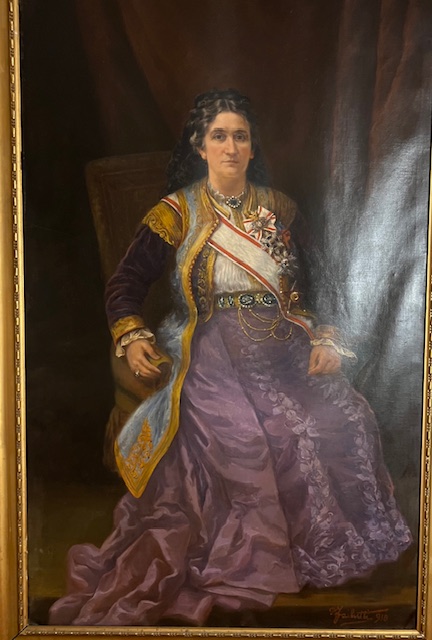
PC 400 Another Milestone ……

I started writing the obligatory postcards, as one did before the days of texts/instagram/facebook etc, during my first visit to Rio de Janeiro, Brazil in April 2012. It wasn’t until my third visit in late December 2013 that I started sending electronically what I might have written on a postcard, abbreviated to PC.

Along came my lovely techie son-in-law Sam. He set up my page on WordPress, www.postcardscribbles.co.uk. ……..

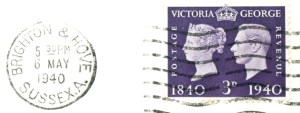
….. and also found a post office franking for Brighton & Hove dated May 1940.

During the Covid pandemic the frequency increased from two a month to one a week and here I am, in August 2024, posting my four hundredth 1000-word PC. Regular readers often ask where my ideas come from; they tell me that the variety of topics I cover makes them look forward to Friday’s post, so that’s good huh! I think a comment from one of our fellow passengers on MS Roko, who had read my three PCs about our Croatia/Montenegro experience (Nos 390, 391 & 393), was interesting:

Were we on the same boat, did we go on the same tours, did we have meals together? All I do on holiday is relax and enjoy the sun. You seem to do that and observe life going on around you, listen to life going on around you, enough to write three fascinating ‘Tales of Croatia’.” Look up, not down huh?
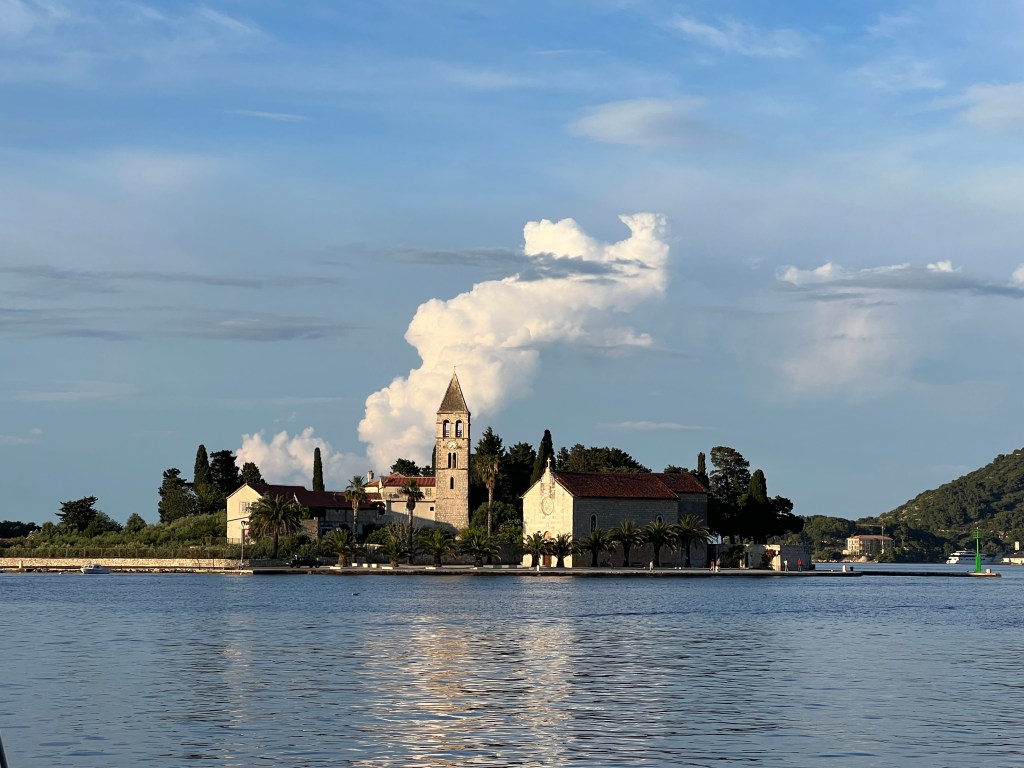
In September 2023 I summarised the content of the fifty postcards numbered 301 to 350. In this second 50, to make up another 100, medical issues seem to have been a focus these last few months. First we had PC 366 ‘Medical Decluttering’; followed by PC 373 ‘Anally Focused’ (‘An excellent read; who else could write about the anus with such aplomb’); PC 376 ‘That’s the MOT Complete’; PC 379 ‘Cataracts’ and the last, and somewhat unexpected, PC 387 ‘A&E!’ Compiling this list I wonder whether ‘Loo Gymnastics’ (PC 357) would qualify to be included in this group?

PC 384 ‘The Man in the Window’ from April was prompted by the man who sits at his desk across Albany Villas from our apartment in Amber House. Subsequently I saw him walking up our street towards me; I had to introduce myself! Simon works as a Civil Servant in some Government Estate department, so is a classic example of WFH and an occasional visit to the office. Now when we leave home at 0915 for the bus and hot yoga, we acknowledge each other!

I played around in my head how to write something interesting about the cow that supposedly jumped over the moon. It’s one of those nursery rhymes that you learn as a child and remains with you the rest of your life, much like some Christmas carol or particular hymn. It’s the source of the English expression ‘over the moon’, meaning delighted, thrilled, extremely happy – and we all need to feel that sometimes.  PC 383 was entitled ‘The Cow and The Moon’:

Brilliant! Where do you get your ideas from?

“Er! Between my ears …. Or somewhere else!”

“Obviously your grey matter, but I’m impressed by how you piece together such a narrative. A most enjoyable read.”

I have written a number of PCs about Portugal, the country where my Brazilian brother-in-law Carlos and family settled in 2016 and where my mother-in-law and her partner live when not in Rio de Janeiro. In this section, in PC 353 ‘ …. of Cabbages & Kings’ (September 2023) I wrote about Portugal and its history, finishing with the last king. The title came from Lewis Carroll’s poem ‘The Walrus and the Carpenter’. Our last visit was summarised in PC 395 ‘Portuguese Notes’ which attracted this comment: ‘As usual an interesting and engaging read … you always pull in the reader with ease.’
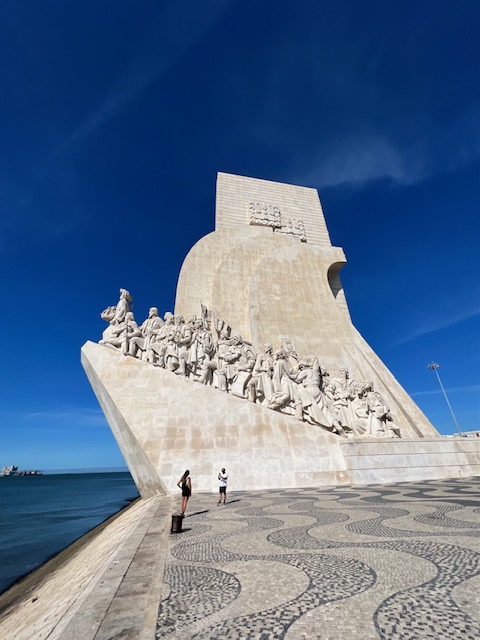
PC 367 ‘Shells of the Camino’ was written because Armando Colucci, a yoga buddy originally from Naples, brought me back a shell from his walk along the final part of the pilgrim way, in reverse, from Finisterre to Santiago de Compostella. I learned a lot researching the story, so ‘thanks’ Armi.
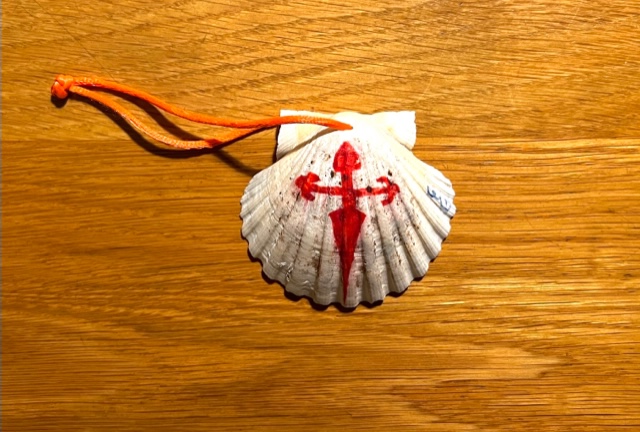
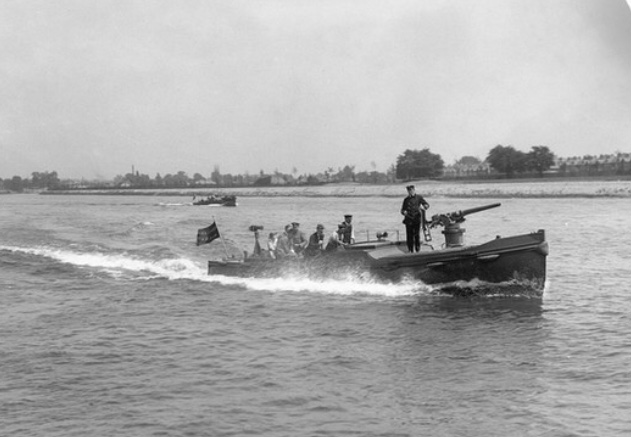
One of the joys of eating at a table is having a conversation with those who’ve joined you. PC 360 ‘Kaftan, Mimi & Toutou’ was the result of one such occasion, which covered, inter alia, Demis Roussos and a Boys’ Own story of daring do from World War One! Mimi commented: “Very interesting! No idea the war was fought on Lake Tanganyika.”  
I have been enjoying the coffee and the company of the regulars in The Hope Café since the autumn of 2021 and in the last year have posted some 15 PCs about my lovely conversations and the coffee in the café here in Hove. In the last year Susie has returned from her late Gap Year and is now enjoying her course. Josh unexpectedly travelled out to Israel following the Hamas attacks of October, joined the IDF and was wounded up on their border with Lebanon.

In addition to publishing my postcards on WordPress, I usually upload them to LinkedIn and Facebook. Facebook’s AI decided that PCs 397, 398 and 399 breached their rules and wouldn’t publish them. “It looks like you tried to get likes (etc) in a misleading way.” If you read them, go figure!

Last week’s PC 399 was entitled ‘Why Can’t I just Be Me?’. Sandie commented: “Most people don’t know even who they truly are; it’s hidden under layers of societal conditioning and generational traumas.  School systems strip children of the very essence that makes them unique. It’s a big complex subject. Love that you’ve written about it.” And Meryl: “This PC has a Buddhist emphasis …. from creativity involving complete focus, to happily bumbling along without the need to fulfil one’s potential!

I hope that the next fifty will give as much pleasure to you as they will to me.

Richard 16th August 2024

Gatwick Airport

www.postcardscribbles.co.uk

PS Off to Estoril again so this posted in Gatwick Airport

PPS PC 400a contains the titles of my postcards
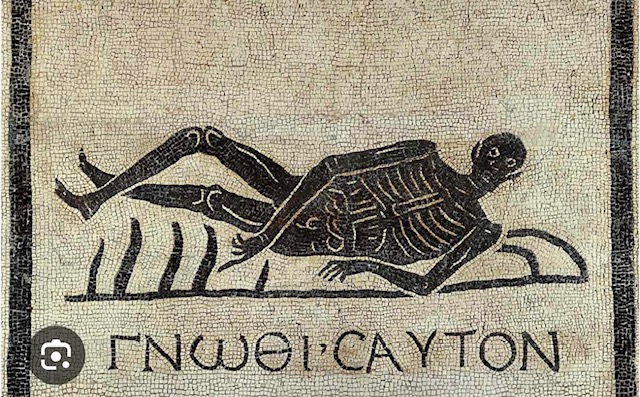
PC 399 Why Can’t I just be Me?

I was musing the other day about what has become the title of this postcard: ‘Why Can’t I just be Me?’ The obvious first question is how to define ‘me’! A writer uses ‘me’ to refer to himself or herself. I didn’t think this is very helpful as I think ‘me’ resides between my ears, somewhere inside my head – although I could conceive ‘me’ living in my arse sometimes! Depends on the mood, the ‘this’, the ‘that’, happy, sad, tired, enthused, excited, interested …. take your pick.

There really is of course ‘nothing new under the sun’!

Written on The Temple of Apollo in the ancient Greek precinct of Delphi is this wonderful demand: “Know Thyself.” Socrates interpreted this to mean that an essential part of knowing yourself must be recognising the limits of your own wisdom and understanding; knowing what you do genuinely know and knowing what you have to learn. Another ancient Greek, one of its seven founding figures, Thales of Miletus, is recorded as saying it’s the most difficult thing in life, to know yourself.

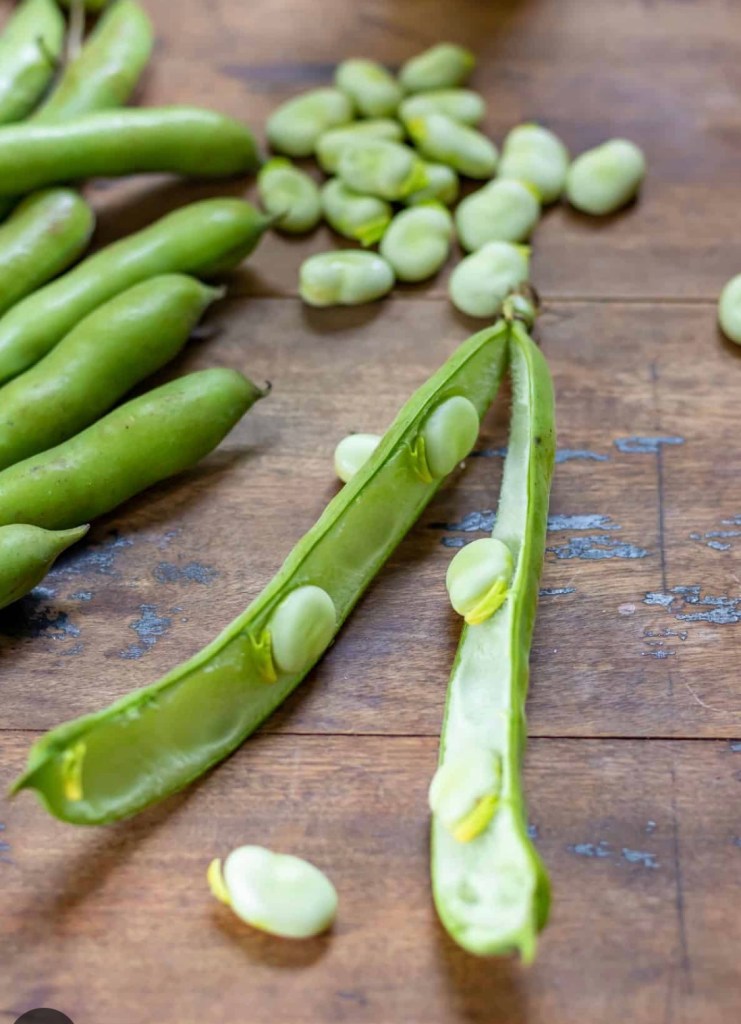
Not sure whether you buy your Broad Beans from Mr Birdseye, from your local market stall when they are in season or are able to pick them from your vegetable patch, but it was only about 30 years ago I was told they should be double-podded before they’re cooked ie you strip off the outer skin then remove the inner layer to get at the real essence of the broad bean. The parallels with our human existence are obvious; to be ‘me’ you need to get underneath your own skin, to acknowledge just who you are. The basic ‘me’ is made up of my values, a sense of right and wrong, my attributes ie qualities that define my character, skills that I have learned over my life, my attitude and beliefs ….. these have all coalesced into ‘me’.

We are no Chameleons but often ‘wear’ a character, a disguise that’s not a true version of oneself. The immediate example for me is that of the cold caller/salesman. When I became an outplacement consultant in 1991 and latterly running my own leadership coaching business, I had to make those ‘cold calls’ to sell my services and win the business. Sometimes you just have to do something that’s not really ‘you’ but it’s liberating to take the mask off afterwards! 

The older one gets, the more confident one becomes in reinforcing ‘me’! In one’s youth it’s easy to get drawn into the group, the need to ‘belong’ a very basic human instinct. A good example was my decision to give up alcohol back in 2002. (See PC 15 ‘Alcohol and Other Drugs’ June 2014 and PC 257 ‘Alcohol and the British Issue’ November 2021) To some it seemed unfathomable that I would forgo something I had obviously loved, was part of ‘me’! “Still not drinking then? Go on; one won’t hurt!” bellowed Tony, pouring his own Gin & Tonic and perhaps subconsciously questioning his own need for alcohol. Why couldn’t Tony let me be me, or a new version of me?

In the late ‘80s I went to Egypt with a friend who didn’t do planning, didn’t do ‘booking’, just happy to see what might transpire. I was extremely uncomfortable at the thought and insisted at the very least we book a hotel in Cairo for the beginning and end of our stay. Being emotionally uncomfortable is not me; I need to be organised.

When I am drawing some threads together that possibly will become a postcard, I am delighted when serendipity plays her hand. Some days ago I read of Rowan Atkinson saying: “I hate it when people ask me ‘why are you so quiet?’ Because I am. That’s how I function. I don’t ask others: ‘Why are you so noisy? Why do you talk so much?’ It’s rude!” Perfect: Rowan being himself.

Back to being me. I wrote a few weeks ago how in any creative aspect of life, of composing music, writing plays or songs, painting in oils or in acrylics, there are those who do it well and those who do it adequately, some perfectionists, some producers who create for the popular market and some who simply get by. I tend to believe I am in the latter category with both my writing and my painting, although the judge is oneself! I was described as ‘autodidactic’ last month; I had to look up its meaning! And the funny thing is I recognise this ‘me’, that I can do something perfectly adequately, but I am no perfectionist. So I bumble along, like being me, but resist when others suggest I should do a course, practise more, become ‘better’ – whatever that might mean.

For I really love being engaged, recognising that doing something creative requires complete focus, so that out of the brush grasped between your fingers you lay out your thoughts, your imaginings or their representation.

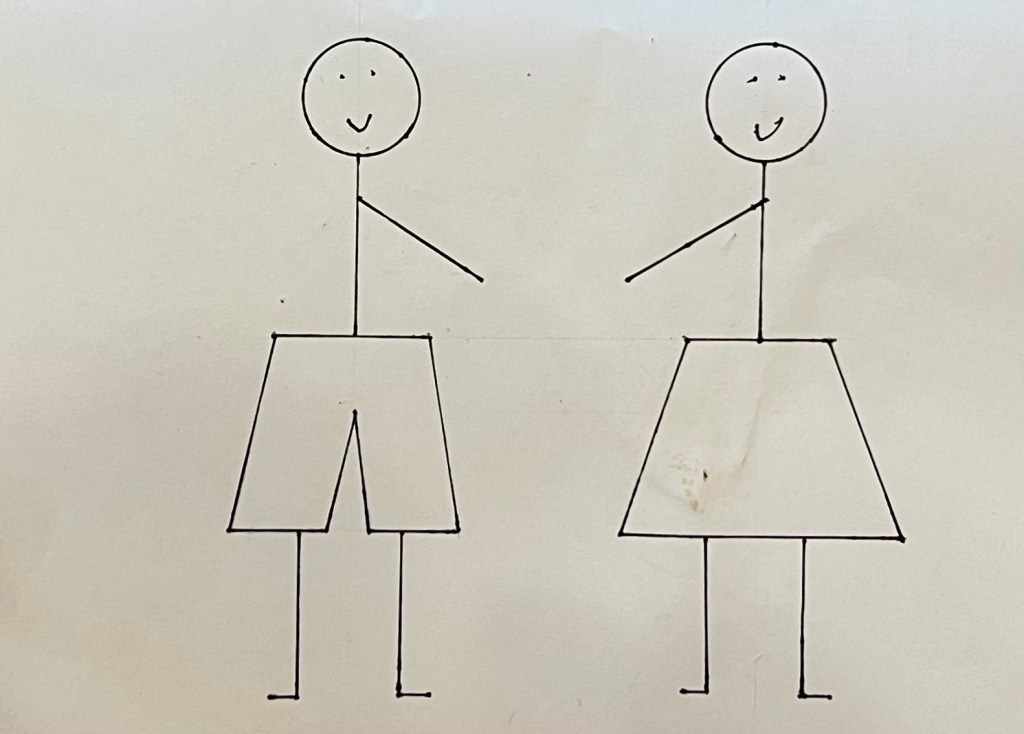
We live with others, almost by definition, as without others no one could ‘be’ and this produces constraints. “A man can be trapped by his own masculinity or what is perceived by his masculinity. (Note 1) They feel they have to act in a certain way because that’s what society as a whole expects. So most men end up living a life that is not really theirs; it’s dictated by societal expectations.” So perception and the expectation of others often discourage us from being ourselves.

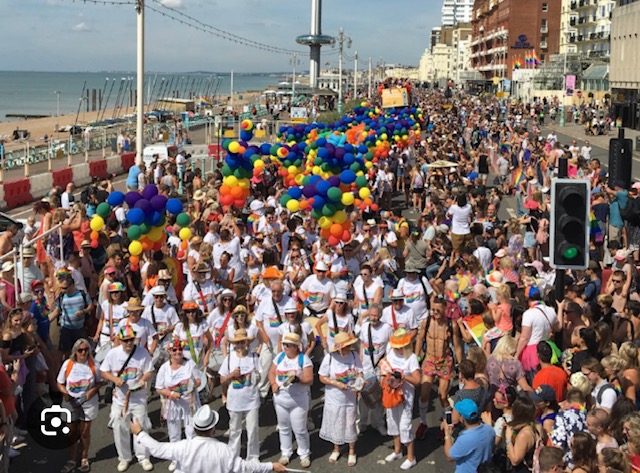
Last weekend was Brighton’s Pride weekend, with parades etc; some 300,000 gathered here to celebrate, something unthinkable before the 1970s. We have come an extremely long way, a difficult and tortuous way, so that people can be themselves, be ‘me’.

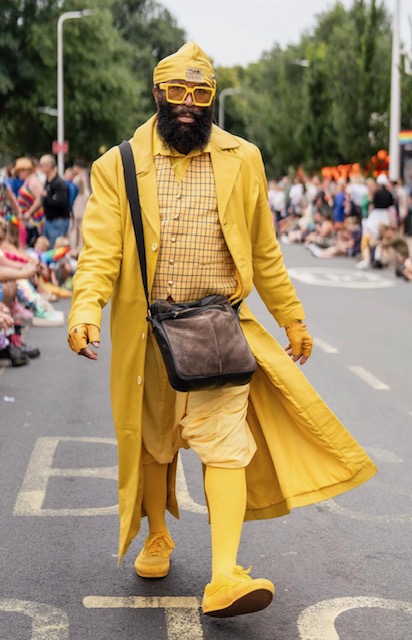
He obviously loves yellow; just being himself.

In the final analysis, of course I can be ‘me’, with a confidence of understanding just what ‘me’ comprises and live with myself!

Richard 9th August 2024

Hove

www.postcardscribbles.co.uk

Note 1 There should be no difference in the concept of either masculinity or femininity.

PC 398 Need Another Arm?

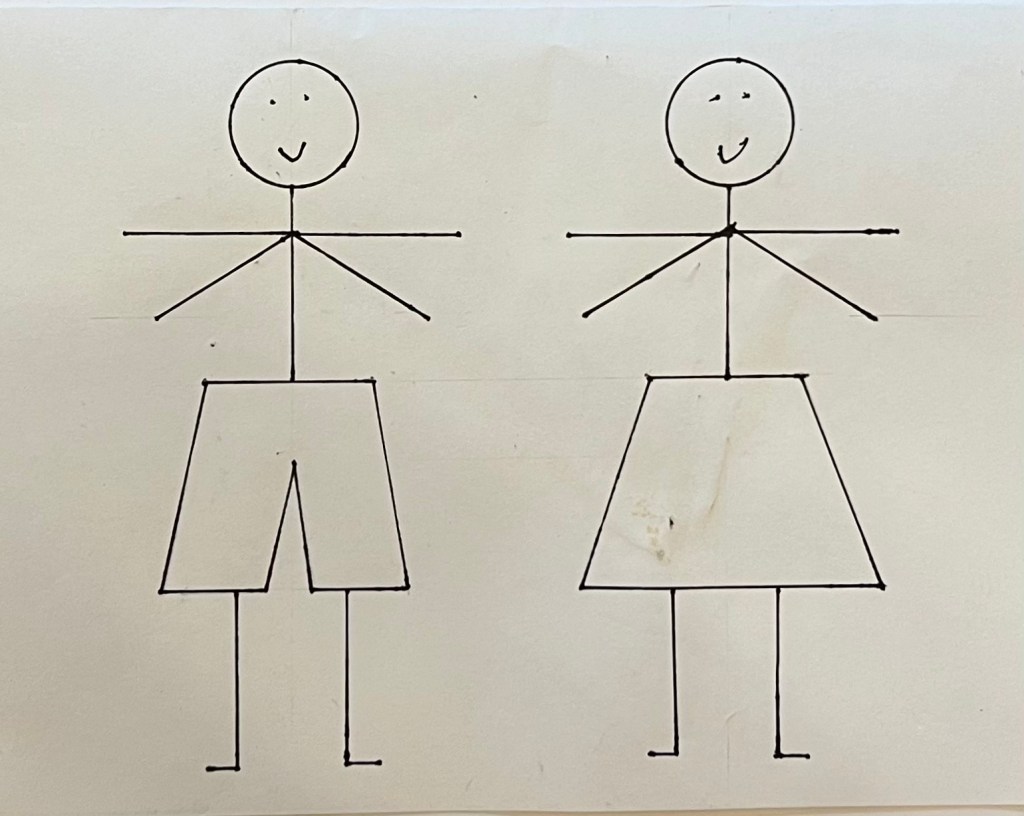
Have you noticed how tailors think of everything when designing unisex trousers? There are two pockets on either side at the front, two at the back over the cheek of each bum and possibly a little pocket for change – it’s not one I personally have every used, not sure how it originated and why it still exists. Maybe someone will enlighten me?

So, four pockets, although humans only have two arms. In Hinduism, goddesses are often depicted having multiple arms. Lakshmi, the goddess of fortune has four, as does Saraswati, the goddess of knowledge and art. Durga is the goddess of war and has between eight and eighteen arms! Who thought up this idea in the first place? Why?

Durga the Goddess of War

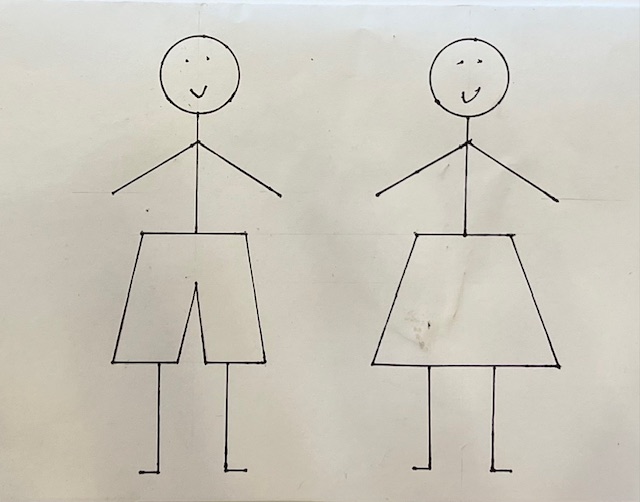
So why have we only got two arms? (Note 1)

As humans have evolved, we have got used to using our arms, and the digits on their end, for all sorts of things. One arm is useful for taking something off a top shelf at home; washing one’s armpits using the alternative arm; masturbating; scratching one’s head; summoning a taxi, adding to the verbal ‘taxi!’ shout;

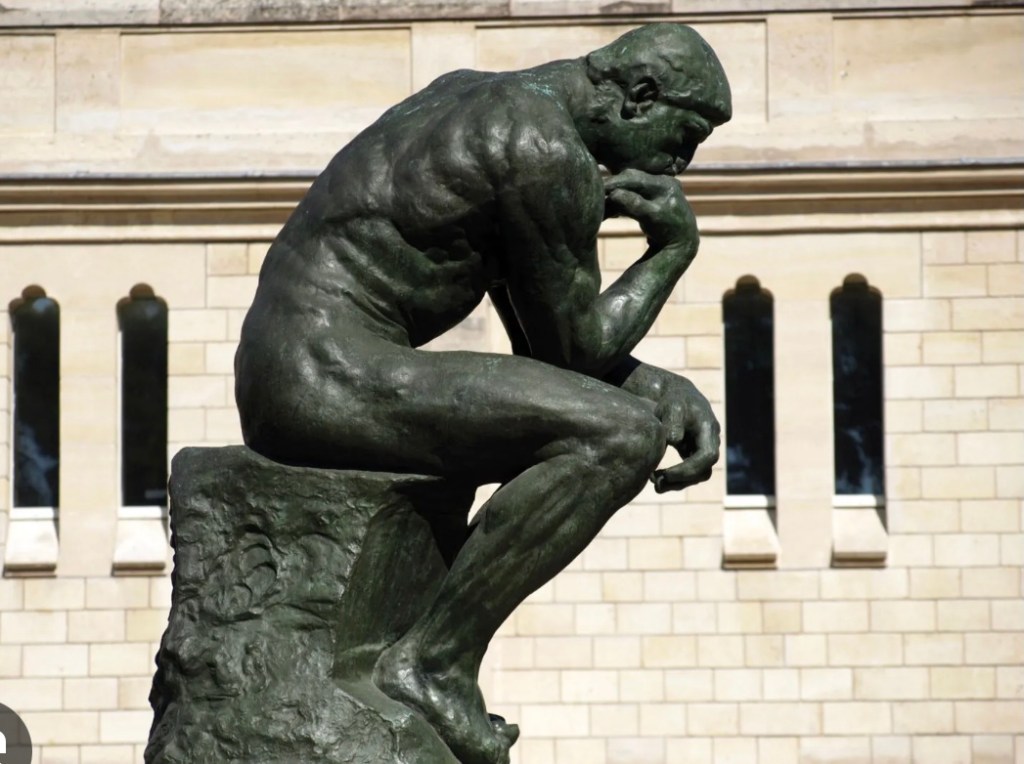
holding a cricket bat/squash or tennis racket/golf club; with the digits writing/typing/drawing/painting/cooking; acting out Auguste Rodin’s The Thinker, one elbow on the knee, the chin resting on a hand; wiping one’s arse; shaking hands with someone; using a fork or spoon – a knife more difficult but not impossible; playing the piano one-handed ….. holding your mobile phone and texting if you have very flexible fingers.

Two arms are useful driving (some people prefer to use one but the professional view is that the hands should be on the steering wheel at 10 to 2 on the clock face, although some feel that resting their arm on the window cill gives them as much control should something untoward happen – not!); in the old days tying a tie but does anyone wear a tie these days?  – if you do it requires two hands therefore two arms; for a man putting his socks on, for a woman fastening their bra or putting their tights on; replacing a soiled nappy; tying one’s shoe laces; playing the piano two handed; bringing an aeroplane to its stand on the apron, using those lovely ‘wands’; firing a rifle; if you’re a male, doing up one’s button flies, almost impossible with only one hand; texting from your mobile phone; holding your mobile phone in case, just in case, someone rings you and you have to answer it, irrespective of what you are doing or whom you are talking to, as in the other hand you have to have a bottle of water.

Someone has stated quite categorically that humans must drink at least 2 litres of water every day, as well as walking 10,000 steps, and everyone has accepted this as gospel. If you drink coffee that doesn’t count. Have you ever tried walking in a relaxed style with something in both hands? In the military the ordinary ‘quick march’ requires the participants to swing their arms, alternatively to the legs. Marching in slow time is achieved by pushing your foot forward, as flat as possible, keeping your arms by your side. It’s such an unnatural thing to do!

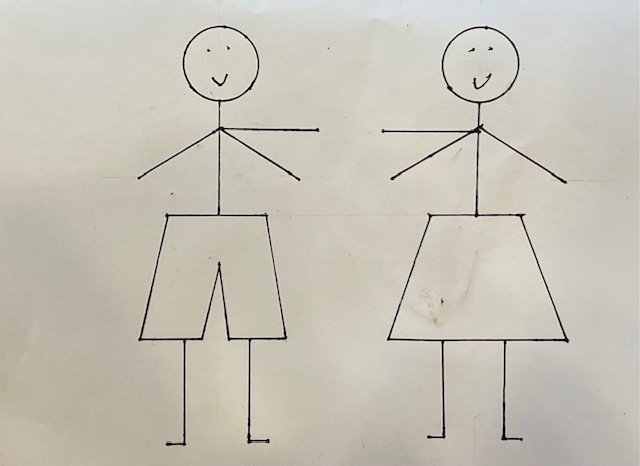
So, you’ve got your essential bottle of water that you can’t leave home without and your mobile phone that has become attached to your body ….. and you get an itch on your head/wear a dress that has a split front which keeps opening and you’re embarrassed a little and you want to use your arm to hold it closed but one arm is holding your mobile phone and the other a bottle of water …. you need a third one.

Multitasking, doing more than one thing at once, used to be the preserve of those at work or mothers with small children. Now everyone is encouraged to multitask. You can’t go for a walk without taking your mobile and a bottle of bottle and now you’re encouraged to plug yourself into some entertainment or ‘learning experience’ – you can’t just listen to the sound of silence.  

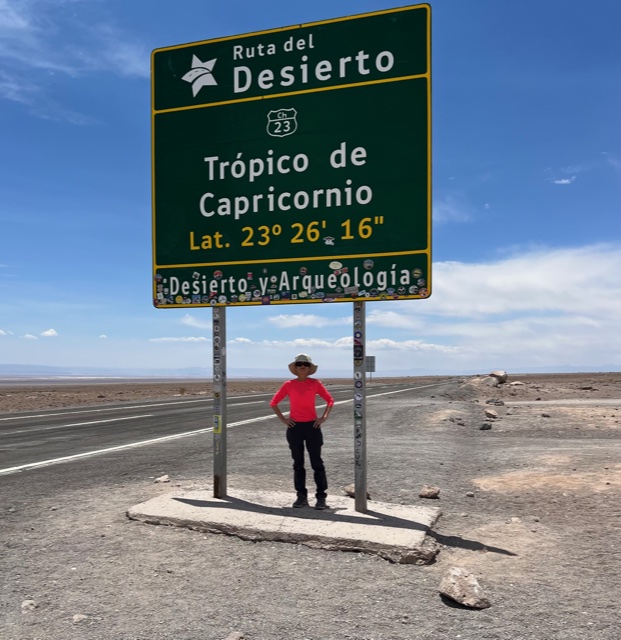
You stick your EarPods in your ears so you can answer the mobile should it ring/listen to a Podcast about the nomads of the Kalahari/a recipe for tonight’s supper and suddenly all you hear are the sounds through your earpods …. not the sound of the traffic, especially those electric cars which sneak up on you when you’re crossing the road …. just as Simon Reeve explains something about the Tropic of Capricorn in Chile …….

Then you see Mary across the road and you want to wave and catch her attention. But in one hand you’ve got your mobile phone and in another you’ve got a full bottle of water because you haven’t had time to drink any because you’ve been listening to that podcast on Chile, or you were until Spotify decided you should listen to something else and without asking, probably because you pushed the phone against your leg, switched …. and another arm is holding your skirt together as …… you need another arm to hold your handbag/manbag!

And if you ever need convincing of the need for more than two arms, imagine this situation, which is probably familiar to many. You’ve been invited to a drinks party with ‘finger food’. On arrival you are offered a drink; you take one (one arm) (Note 2) and then a waiter passes by and offers you a vol-au-vent, which you know will be hot so you need to let it cool down, and a paper napkin; you take one (two arms) and then the host brings someone over and you’re introduced …. with a handshake (three arms) ….. just at the instant the babysitter calls your mobile (four arms)!! How did we cope when another arm was needed for a cigarette?

Just idle thoughts – and I haven’t started on the third eye!

Richard 2nd August 2024

Hove

www.postcardscribbles.co.uk

Note 1 I admire the way that those who don’t possess, through birth defects or accident, either one or two arms, cope. This tongue in cheek postcard is just that!

Note 2 At posh parties a little plastic thingummyjig was provided. It clipped onto your plate and held your wine glass.

PC 397 Hope News (Continued from PC 396)

On my return from the loo I walk across to Mo, as I wanted to seek her thoughts on the UK’s General Election that took place on 4th July. You may remember we were away in the Algarve but organised a proxy vote. It was strange not being in the country on the actual day, feeling the growing anticipation as the Voting Stations close and the counting begins; the first results are often declared around 0200. Was there going to be a new government with a large majority, a small majority or the need for a coalition? The latter are rare in British politics, there only being two in my lifetime (Note 1), the most recent a Conservative/Liberal one that governed between 2010 and 2015. The polls this time suggested a large majority for the Labour Party under the leadership on Sir Keir Starmer.

For those unfamiliar with Britian, we have a party in government and an official opposition. The latter have senior figures who cover the actions of the Government ministers; collectively they are known as the Shadow Cabinet. If the Opposition Party wins a General Election, the following morning the outgoing Prime Minister tenders his or her resignation to the sovereign and the Leader of the Opposition is asked to form a government. The ‘Shadow Cabinet’ generally flip into their ‘cabinet’ roles and within 24 hours it’s all change. It’s quite brutal compared with, say, the election of the president in the USA. Their elections take place in November but he or she is not sworn in until January the following year.  

Mo taught history so will certainly have a view!

“So, all done and dusted! We were away but pleased to see Peter Kyle’s retained his seat (Ed. our local MP)”

“Yes. I have dealt with him on a number of issues and he always responds. Think he’s been made Secretary of State for Science, Innovation and Technology. Not bad for a man who’s very dyslexic. God knows what this new government will make of the situation the Conservative Party have left the country in?”

“I am reminded of that note that Liam Bryne, the outgoing Chief Secretary to the Treasury, left for his successor Liberal Democrat minister David Laws in 2010: ‘Dear Chief Secretary, I am afraid there’s no money left. Good Luck!’

The Political Map of the UK after the 2024 election

“Ha! Ha! Didn’t the Conservative Reginald Maudling write something similar?”

“Yes. His note to James Callaghan in 1964 said: ‘Good luck, old cock …. Sorry to leave it in such a mess!’ It’s been interesting, Mo, the comments about how the ‘First Past The Post’ (FPTP) electoral system skews the results.”

“Did you see the possible distribution of MPs there would have been if our electoral system was not FPTP?”

“What? Like Proportional Representation (PR)?”

“Yes! Based on a percentage of votes cast for each party, Labour would have had 236 as opposed to 411, the Conservatives 157 and not 121, Reform (Ed. A right-wing version of the Conservatives and new to British politics) 94 and not 5.”

“Wow! And the Green’s would have done much better, with 42 seats and not just 4!”

Mo scratches her head. “Interestingly, not enough people in the UK like PR or any other system! There was a referendum in 2011 asking for a simple ‘yes’ or ‘no’ to the question: “Do you want the United Kingdom to adopt the ‘alternative vote’ system instead of the current ‘First Past the Post’ system for electing Members of Parliament to the House of Commons?” (Note 2) Twenty million people (68%) said ‘no’ so we’ve kept FPTP. But they didn’t ask the same question about PR!”

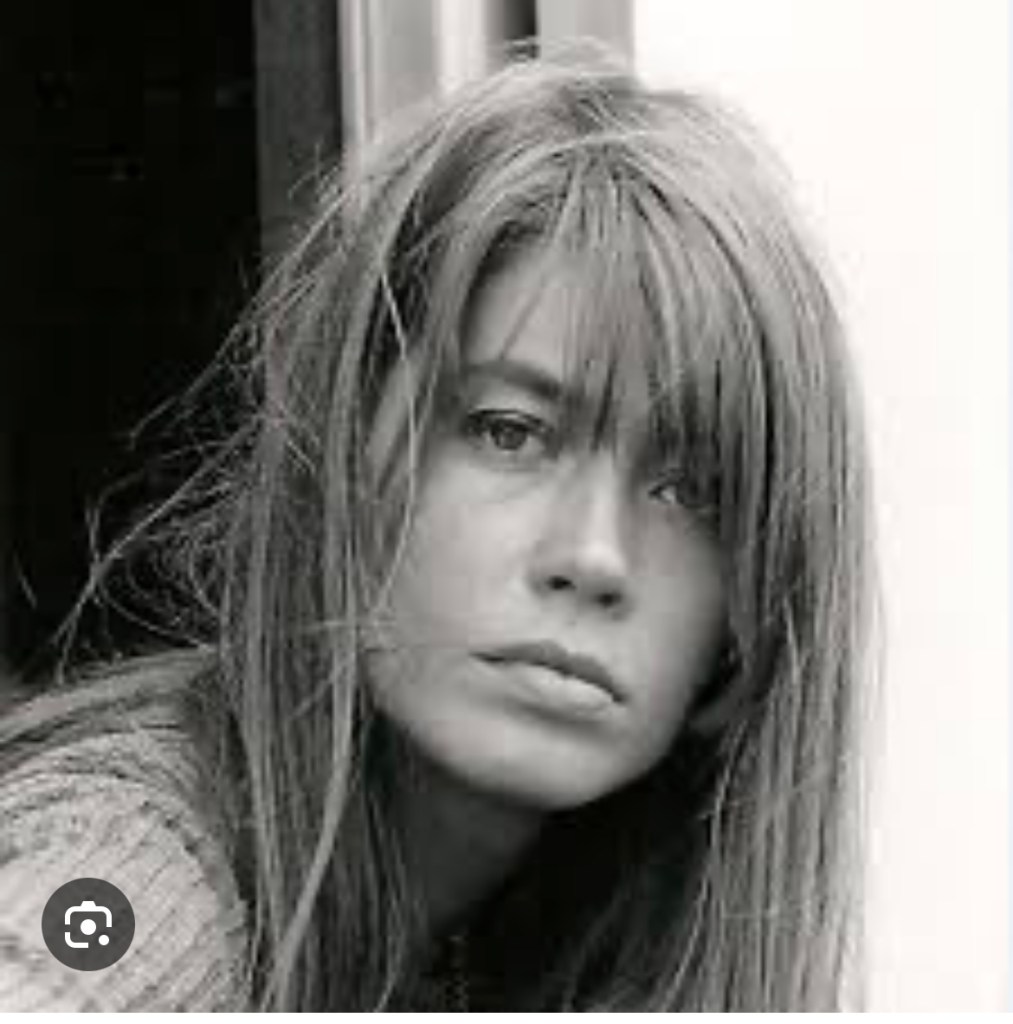
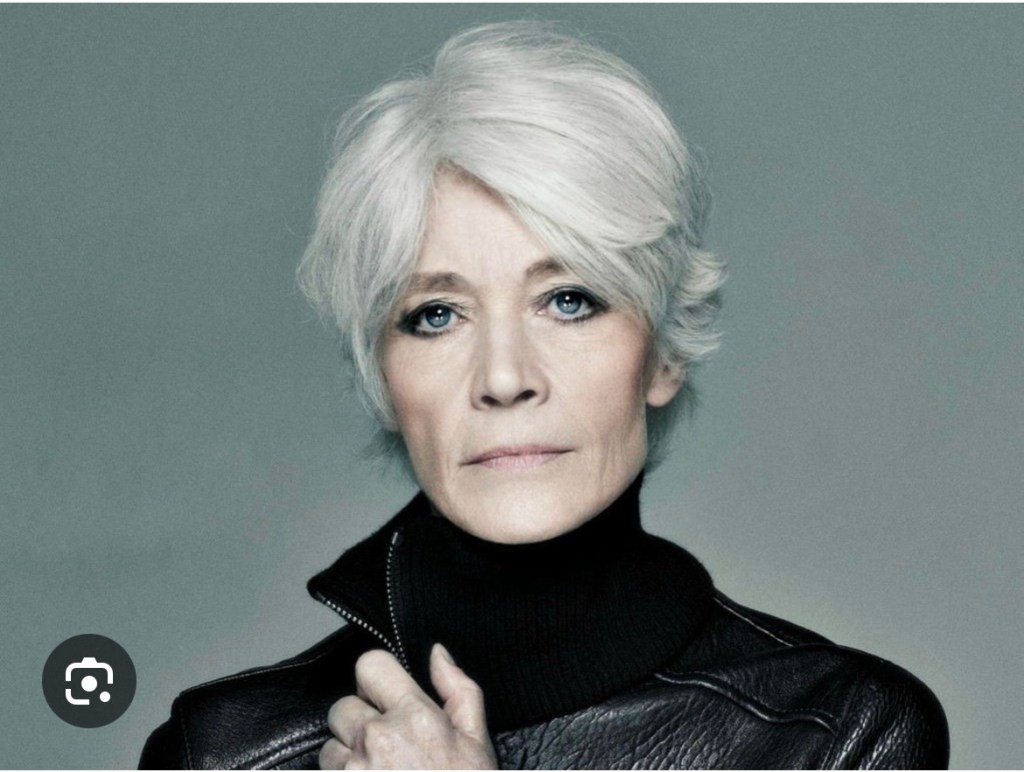
“Mo, I need to get going; lovely to talk to you as always. But before I go, you read that Françoise Hardy has died? Most of the men in my age group fell head over heels in love with her, the antithesis of another French woman, Brigitte Bardot.

Even now her ‘Tous les garçons et les filles de mon âge’ and the heavily accented English version of ‘All Over the World’ drift in and out of my memory.

 ….  and you read that Donald Sutherland died? Such a great actor; maybe we can talk more about his legacy at another time?”

Just as I get up, Robert comes over to our table. He’s a lovely chap but normally he doesn’t engage with us regular customers much. Maybe his conversation with Lisa some months ago about his journalism career has prompted him to make an effort.

Thought I’d join you and pick your brains about the Euro 2024 Football competition and England’s performance?”

I can see Mo is raring to get stuck in but I have already decided it’s time for me to leave. Don’t get me wrong, I like watching any sport at an international level and applaud those who dedicate their lives to it, be it Rugby, Athletics, Riding, Sailing, Rowing, Golf or even curling, but maybe not darts ……! My friend Eddie in Weymouth tells me that club football is full on, a real tussle of opposing sides with good attacking play, but it seems when they are chosen to represent the country, they behave like a group of individuals. I had watched the last 15 minutes or so of some of England’s Euro 2024 matches and after two minutes was bored to tears; continual passing sideways, backwards to the goalie, passing to each other … and there’s me thinking they’re meant to get the ball into the far goal.

Robert’s already offering his opinion of the English manager Gareth Southgate, the chap lauded for bringing so much success to the England team. “Second again!! We English love the runners-up …. and why does he insist on chewing gum all the f**king time?”

“Listen guys! Football’s not really my thing and I need to get going, so I’ll leave you to it. Have fun!”

And with a wave to Sami, Lisa and Josh, I make my exit.

Richard 26th July 2024

Hove

www.postcardscribbles.co.uk

Note 1 In 1974

Note 2 The Electoral Commission criticised the wording, saying ‘that those with lower levels of education or literacy found the question hard work and did not understand it.’ But we expect everyone to vote?

PC 396 Hope News

Back from Portugal, I popped into The Hope Café on the off chance of catching both Sami and Mo. Josh is on his own behind the counter and the café is quite busy, with customers tucking into some of the delicious Brazilian sweets offered by Theresa. There’s a contented buzz of conversation and everyone’s keeping their voices low enough not to irritate others. I hate it when the noise from nearby tables in a café or restaurant makes hearing those at yours impossible.

Sami and Lisa are at the same table, although both are head-down into their iPads, so I sense I can interrupt Sami.

“Hey! Sami!”, just glancing at Lisa who looks up in acknowledgement, “You remember last time we spoke you were telling me about things you’d learned from that ‘Atlantic’ book …..” (See PC 392 Hope Continues)

“About the sea snails that produce a purple dye the Romans used to signify Imperial power and ……”

“And you said it was worth three times the value of gold at that time …..

That’s right!

“Well, if you read the first of my three postcards about Croatia and Montenegro (PC 390 Tales of Croatia June 2024) I imagine you were as surprised as I was to understand that in AD 1000 salt was more valuable than gold. Er! Hang on! ……  what was I going to tell you? …. ah! yes! ….. sorry ….. memory lapse …. in Portugal I was reading the latest thriller from Danish author Jussi Adler-Olsen, ‘The Shadow Murders’, and one of the main characters refers to a 2002 book by Mark Kurlansky titled ‘Salt: A World History.’
You’re going to trump my story of sea snails with one about salt?”

“How about the fact that the word ‘salary’ comes from the word ‘salt’ and how about Kurlansky suggesting a monopoly on salt in France was a contributing factor in the 1789 revolution? You’ll also remember the 1982 film Ghandi with Ben Kingsley? Ghandi opposed the salt monopoly of the British Empire in India with his 1930 peace march; his followers collected salt from evaporated sea water in breach of the law.”

“I thought you were going to remind me of Sodom and Gomorrah, how they were destroyed and that Lot’s wife defied a warning not to look on their destruction. She was turned into a pillar of salt!” he said smiling.

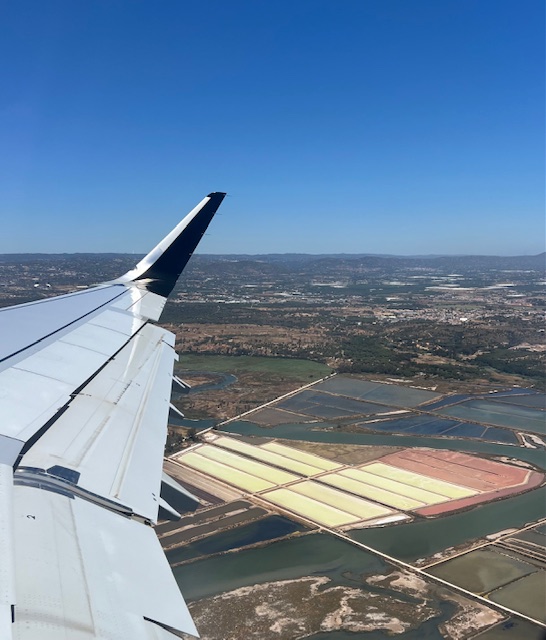
“Poor woman – not funny! You were in The Algarve just before us so when you flew into Faro you probably saw some salt pans on the flat shoreline …. the continuing Salt Connection ……

My God! I’ve just remembered something from 1968 ….!”

“About salt?”

“No, about the word salary ….”

Go on”

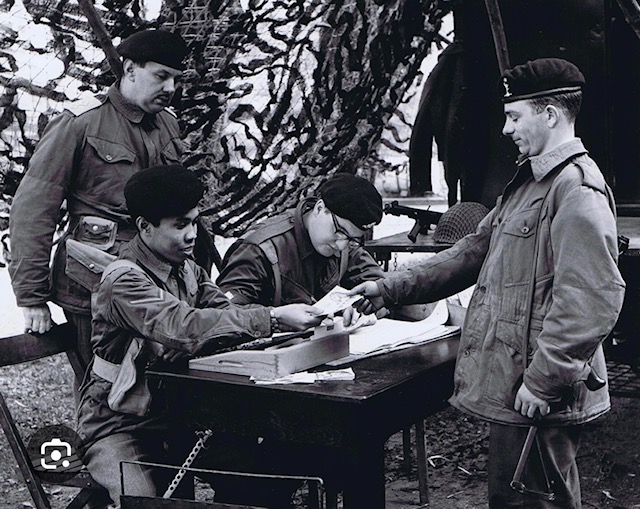
“Here in the UK salary is used to denote an annual pay package, usually paid in twelve monthly amounts, and was used by the professions. ‘Workers’, that word that has many connotations, were paid a wage, normally given weekly. In the Armed Forces in the ‘60s officers were paid a salary and soldiers were paid a weekly wage. There was no charge for food and accommodation, although that changed in 1970 when pay scales increased and there were modest charges for food and accommodation. Most soldiers did not have a bank account so every fortnight or month, I can’t remember which, each sub-unit had a Pay Parade; just writing this sounds so archaic, so unbelievably old-fashioned! My troop’s NCOs and gunners, some 30 individuals, formed up in a vehicle shed. I sat at a wooden 6ft table, an essential piece of equipment (Note 1), with the Army Pay Corps clerk who had all the records.

Just an illustration – this is not Lance Bombardier Batchelor, nor me!

The process went as follows:

I read out a name, for example: ‘Lance Bombardier Batchelor’

Batchelor would march up to the table and salute; the pay clerk would give me Batchelor’s pay book and an envelope with his wages. I checked that it was correct, told Batchelor how much he had that month (deductions were made, for instance, for lost kit) and counted out the pounds, shillings and pence in front of him. (pre-decimal days huh!) (note 2). He signed against the date, announced in a clear loud voice: “Pay and Pay Book correct Sir!”, saluted, turned around and marched back. The next chap was called forward …….”

“You’re not making this up, Richard? This actually happened?”

“A fond memory of a more innocent time perhaps, but yes! So thank you for reminding me.”

“No problem! Incidentally we found The Algarve delightfully warm but rather a warm version of here; so many English own homes, rent a villa or come out on a package holiday that it’s often the only language you hear in the shops and restaurants. A good break though; explored the south of Portugal and ventured into Spain, with one night in Cadiz. Thought about those Phoenicians who founded it and then years later went on to find those little sea snails …..”

“Think these sea snails are like bad pennies, keep turning up!”

“You came down from Estoril to the Algarve for three days; enjoyable?”

“The Vilalara Resort reminded me of the setting of that 1967 television series The Prisoner, as some guests and the staff moved around on little electric golf buggies! Nice weather, three swimming pools and a beach; a mixture of hotel rooms and private apartments often used as Timeshares. By the way, did you organise your proxy vote in time?”

Yes, got a neighbour to do it for us. You?”

“Yup! The MP for Hove, Peter Kyle, is an interesting chap, isn’t he, and he deserved to win. Listen, I see Mo over there; I need to pick her brains about something, and I need to pop to the loo. Good to talk to you, Sami; hope the rest of the day goes well for you and Lisa ….. see you.”

To be continued …….

Richard 19th July 2024

Hove

www.postcardscribbles.co.uk

Note 1 Known in Army language as ‘Tables. GS. 6ft’. The GS stood for General Service.

Note 2 For comparative purposes, the average wage in the UK was £46 per week; a private soldier would earn £32. As a Second Lieutenant my salary was circa £3000.

PC 395 Portuguese Notes

Britain’s love affair with the Portuguese Nation goes back a long way, some say they have been an ally of ours for 600 years, and modern Britain’s liking for this small country of some 11 million shows no sign of abating. Over 45,000 have made it their first or second home, with the majority choosing to be in the Algarve, although significant numbers live in both Lisbon and Porto.

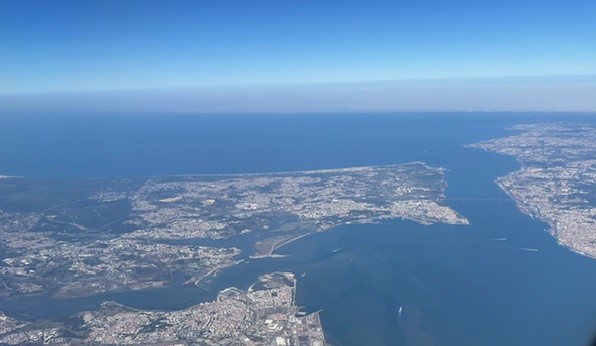
The Targus estuary looking west. The city of Lisbon is on the right.

Many Brazilians, estimated in 2022 to be around 360,000, live in Portugal, drawn by the shared language and a generally safer environment to bring up children than in some parts of Brazil. Celina’s brother Carlos made the move in 2016 and hasn’t regretted it. Such are the shared history and values, the Portuguese airline TAP operate two direct flights to Rio de Janeiro and three to São Paulo every day.

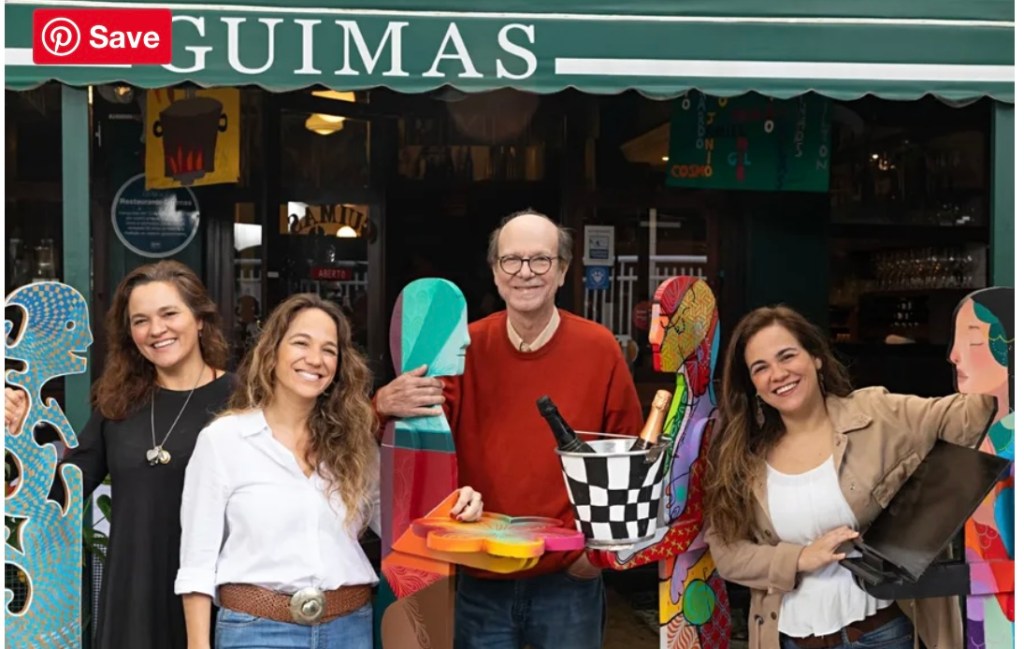
One of the popular restaurants in Rio de Janeiro is Guimas, in the suburb of Gavea, and it’s been frequented by the Rocha Miranda family since it opened in the 1980s. Its name is a contraction of the surnames of the two couples who started it, Priscilla & Ricardo Guimarães and Tintim & Chico Mascarenhas. In February this year Domingas Mascarenhas, the daughter of one of the owners, opened a clone in Cascais and it’s already a big hit with the local Brazilian ex-pat community.

Screenshot

In another life I lived in Battersea and in 2006 a lovely couple lived next door; we lost touch. Anders, a Norwegian, messaged me via LinkedIn in 2022 and, in the exchange, revealed he and his wife Chloe were living in Cascais. We have met up during our visits to Estoril and this year were invited to Chloe’s birthday party. (Note 1) Do you look forward to going to a party, helping someone you know celebrate an event or do you make an excuse and hope they will believe the white lie – ‘I’m going down with Covid and don’t want to spread it/my grandmother’s died (again)/my son’s moving school/university/flat’?

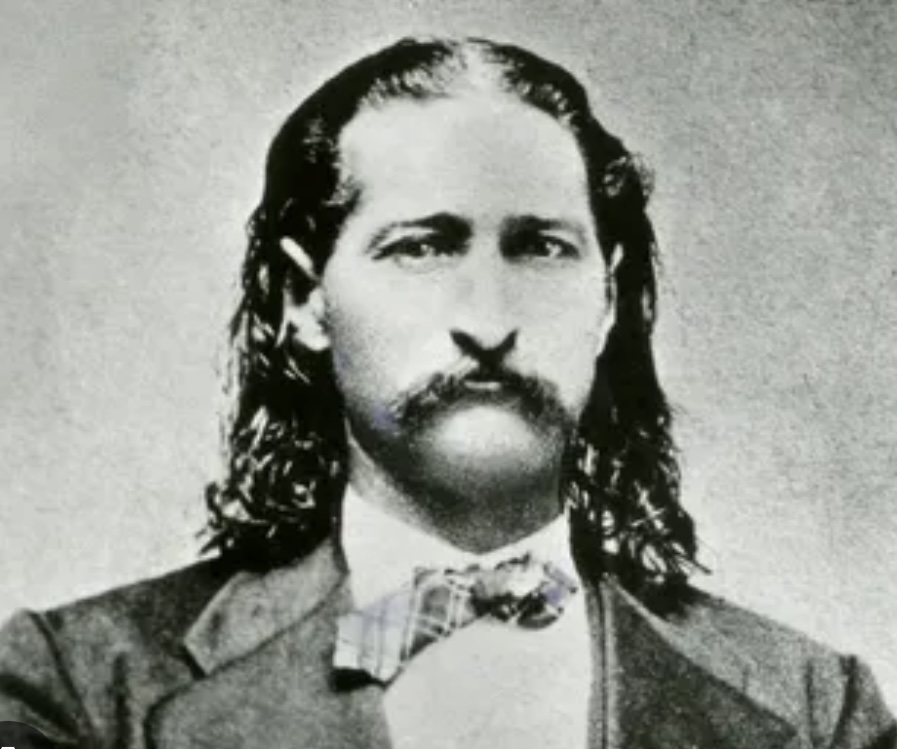
It’s a wonderful word ‘eclectic’; you can sort of get your tongue around it! And so it was with Chloe’s guests, a ‘broad range of backgrounds, nationalities and personalities’. There was Bill, a dead-ringer for Wild Bill Hickock ….

Screenshot

…. who lives in Boston and comes to Portugal for a month to play golf.

I always find it a challenge to introduce myself to someone I don’t know, but Barry took the biscuit.

“Hello! I’m Richard and this is my wife Celina.”

Barry; I am almost 80. What was your name? Serrine, Selina, Sharine?”

“Celina”

I am not very good at names. I am 80.”

Not sure whether he wanted a medal or a kick up the proverbial?

In the UK we’ve got our knickers in a twist about the sensitivity of asking individuals where they come from. Some years ago, in Amber House we had a delightful couple of doctors, Maya, of Scottish/Japanese parents and Opel, who had very Eurasian features and, when asked, said he came from Nottingham. What I really wanted to understand was where his parents or even grandparents came from!

Chloe’s friends Gitu and Sunnil, sister and brother, were very chatty, and actually live across the valley from Celina’s mother’s apartment. Gitu volunteered they had been born in Bombay, which said a lot as it’s been Mumbai since 1995 (!), but their parents moved to Lagos in Nigeria when they were 5 or 6. At some point they must have moved to the UK, but I don’t remember when and maybe wasn’t told why. You remember the Ugandan dictator Idi Amin in 1972 expelling those 50,000 ‘South Asians’ (Indians) who had arrived during the colonial period and who had come to dominate the country’s economy? Most settled in the United Kingdom; maybe Nigeria did the same.

The theory of ‘six degrees of separation’ suggests that all people are six or fewer social connections away from each other. Intriguing, huh! At the party I experienced this in real life! Briefly, I (1) met Eleanor (2), a Russian-English woman who has a daughter (3), who’s great friends of the daughter (4) of Valentine Low (5) (Note 2), who’s the cousin of Katrina (6), my (1) first wife. Boom boom!

And there were others, like Brazilian Eduardo, studying engineering at the University of Lisbon, his father Eduardo, Chloe’s Kick-Boxing instructor, and his mother Stephanie, who were fun to talk to.

Toni’s daughter Ana (Note 3), who lives in Rio de Janeiro, and younger son Eduardo, who lives in Dubai, were already in Portugal when we arrived on the 18th June but all three travelled north to Guimaraes and Viano do Castelo the following day. On their return Eduardo flew back to Dubai and Ana settled down in the Estoril apartment …… and three days later tested positive for Covid! We have all relaxed after the dark days of death and lockdowns, possibly being a little blasé about it – “Oh! There’s no need to wear a mask’!” – but there has been a marked increase in the number of confirmed cases, certainly in the UK and in Estoril Covid testing kits have become difficult to buy.  

Night follows day, as the expression goes, so a couple of days later Toni tested positive! We had plans to drive down to the Vilalara Resort in the Algarve, mid-way between Lagos and Vilamoura but his continuing positivity required a rethink.

Eventually only Celina and I flew from Lisbon to Faro for our three nights.

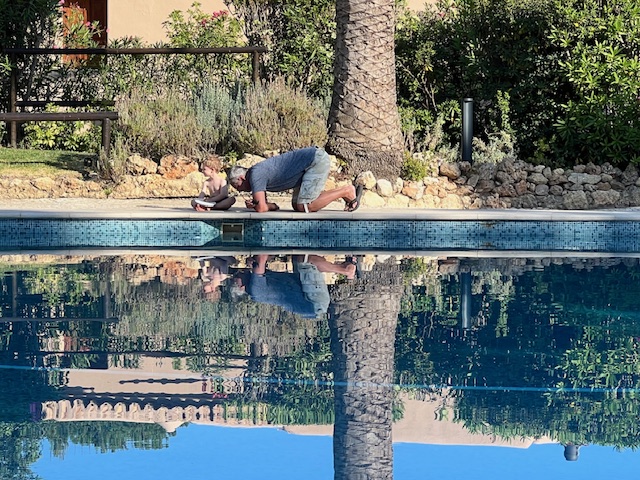
Couldn’t resist this delightful conversation by the pool

We flew back from Faro on a BA Euroflyer aeroplane operated by Titan Airways. Wonderful to be in a new Airbus 351; not so good to find the runway obstructed on our approach – abort the landing, power on, into a holding pattern then land ten minutes later, safely!

Richard 12th July 2024

Hove

www.postcardscribbles.co.uk

Note 1 Is it still considered good manners not to reveal a woman’s age?

Note 2 Valentine’s a journalist, past Royal Correspondent for The Times, and author of ‘Courtiers: The Hidden Power Behind The Crown’ (2022)

Note 3 Ana is a digital nomad, working for the Brazilian on-line company Nubank – “The Future is the reason we make plans”, but by choice lives and works in Rio de Janeiro.

PC 394 The House

Some of you may remember scenes from the 1982 film Sophie’s Choice? In one, Sophie, played by Meryl Streep, is in an apartment in New York, chatting quietly to a friend about her life, and the choices she had had to make. In the background you can hear not only the noise of the city, but also the inevitable sounds of laughter, of crying, of shouting, of other people, living in their apartments in the building.

I am no stranger to living in what I gather is called a multi-occupancy building, having lived in Army Officers’ Messes until I got married. When Celina and I first moved into the newly converted Amber House in 2012, we naively imagined that all the other twelve apartment owners would live there! We had our first Amber House Supper Party and hosted 22 people. Then we began to realise individuals bought property for different reasons, for a home, for a rental investment, as a second home and the people who live in the house would reflect this reality.

If you wanted a little microcosm of life in England, you need look no further than our last ten years in Amber House, and that’s not looking for the ghosts of the older people who lived here when it was originally Dresden House and a home for ‘distressed gentlewomen’.

So, some illustrations:

 Alice was a semi-retired journalist …. but lonely. Along came Mike, charmed his way into her heart, promised her the world and delivered zilch. She found salvation in a bottle of wine. One Sunday evening she appeared at our apartment door, swaying and slurring her words, clearly needing help. She’d lost her own key (a spare was with a neighbour who wasn’t in!) ….. and probably her mobile …. and had no money. One couldn’t help feeling anything but pity and sorrow – we popped her into a local hotel, paid her night’s accommodation and she promised to get in touch. She disappeared! Two months later I cleared some of the bottles from her empty apartment as she sat on the floor. A month later she’d died – she was in her mid-60s!

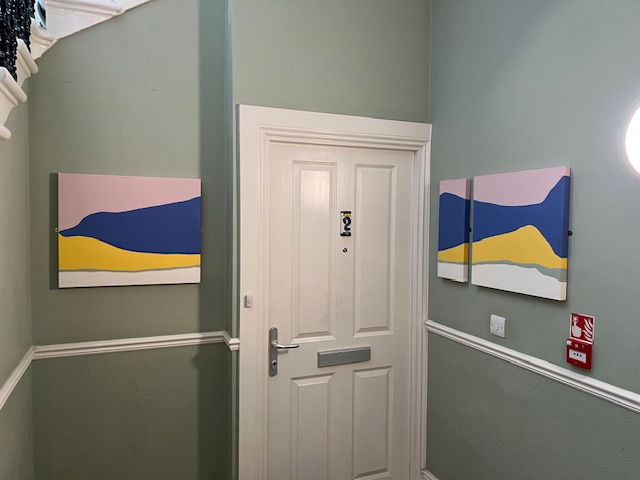
One of my triptychs around our apartment door

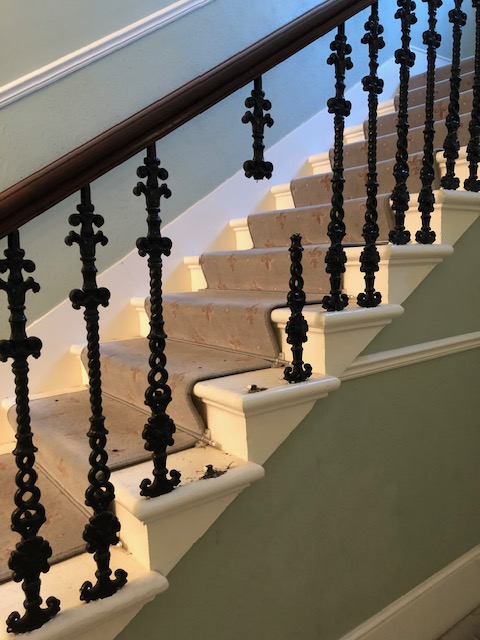
A loud unexpected crash in the middle of the night had me looking for the culprit. James and Edward had obviously had a lovely night and, until it was time for Edward to go home, everything had been OK. Making his way down the wide stairs, Edward missed his footing and tumbled. A flying foot made contact with the large wrought-iron balusters, knocking three out.

Evening Sir! I am making enquiries about noise from the apartment above you!” said the policewoman. “Have you heard anything?” Well, we had and we knew the chap renting it and we’d heard the ‘ding dong ding dong’ of a heated argument – but it was only later when Peter was back from hospital and he came to explain what had happened did we see the cut on his face from a flying handbag! Domestic abuse!

You don’t know me, but I found this in my car, which has been broken into.” The woman had rung our doorbell and was holding a little bag. In the words of a friend of mine – ‘long story short’: one of the Amber House apartments has been rented to a couple – it transpires the chap’s got a criminal record for handling drugs and has a liking for expensive watches. The ‘this’ the woman had found in her car was a receipt for a Rolex watch in his name from a jeweller in Brighton, from a couple of years ago. No one can get to the bottom of this particular story and, short of confronting Kris, an uncommunicative and somewhat menacing chap, we never will. Time to move on, turn the page …..

I have come to say goodbye Richard. I am off home to Jamaica for Christmas.” said Ivy who lived with her adult daughter in the apartment across the hall. Ivy was in her late 80s and had retained that wonderful rich accent, despite living in England for decades.

“Will you be coming back, Ivy?”

There was a long drawn-out “No.” followed by “I don’t think so!”, her enigmatic smile broad across her face, repeating her declaration: “I don’t think so!” Her son hasn’t told us to the contrary, so we assume Ivy is still with us, well into her 90s.

Others have experienced a neighbour above them thoughtfully working in their mini-gym – with all the attended personal and mechanical noises associated with exercise. A misdirected letter caused us alarm a few years ago; a bailiff threatening to ‘remove goods to the value of £500’ over some unpaid bill. I told them the person didn’t live in our apartment, or in any other apartment in the building for that matter, but that didn’t stop our doorbell being rung at 0230. The Entryphone camera revealed two unsavoury characters …. we didn’t respond! Amongst those renting, we have had a chap who used to work at Rolls Royce as a leather matcher, a couple who were both locum doctors, two men who worked in The Ivy in Brighton, a landscape gardener and his Art teacher partner and a couple whose middle names were Richard and Celine (not to be confused with that couple who live in Apartment 2!)

But all the incidents of the last 12 years are overshadowed by Cameron’s death. Cameron and his partner Chatrin lived in an apartment two floors above us. Cameron was assaulted in Brighton in the early hours of 21st December 2020, was taken to hospital, given a thorough health check and discharged. At home in Amber House his condition deteriorated over the next few days and he died on Boxing Day, following multiple organ failure and sepsis (See PC 334 Sepsis May 2023); he was 34. Four years on, no one has been charged with the assault and the family have no closure; disgraceful!

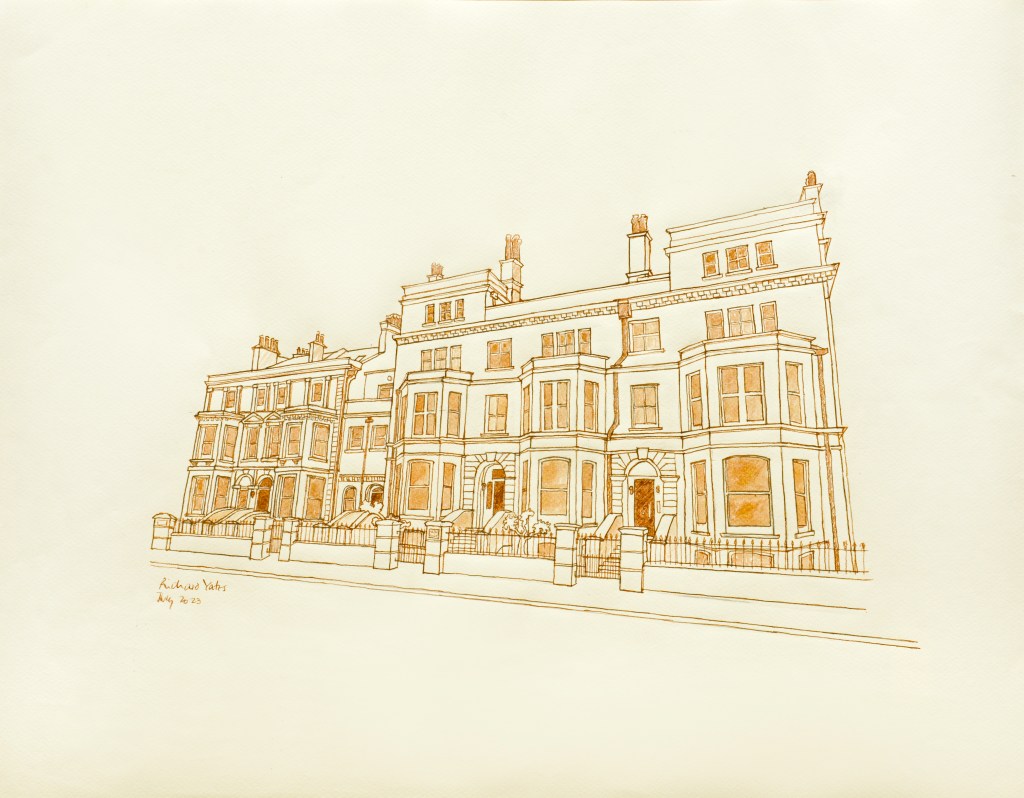
My pen and ink sketch of Amber & Gilmour Houses

Writing about Amber House should not be complete without some mention of our landlord, Southern Housing, but I have run out of space so will have to leave that for some future postcard – sounds gripping huh!

Richard 5th July 2024

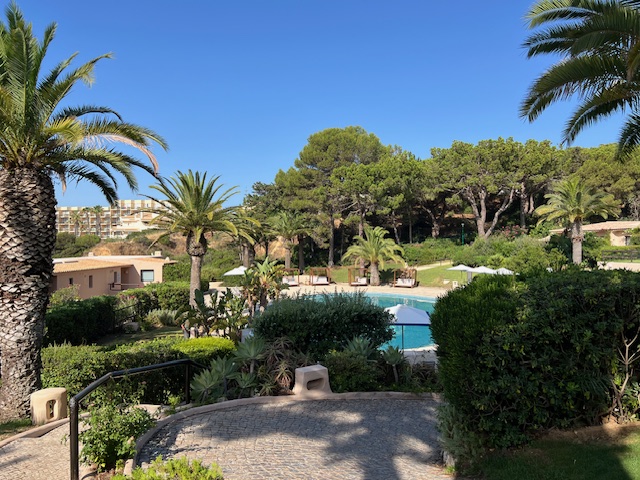
The Algarve, Portugal

http://www.postcardscribbles.co.uk

PC 393 MS Roko et al

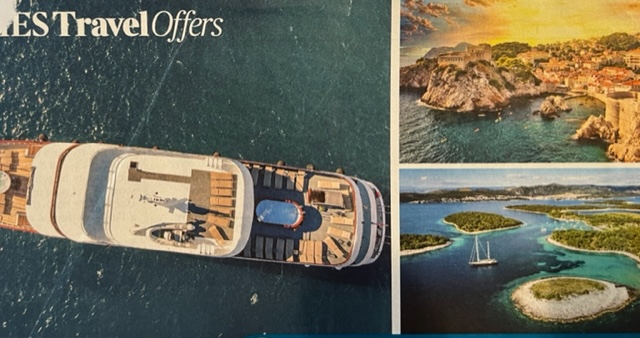
In the dark days of last October, the advertisement in The Sunday Times for 11 days in Croatia and Montenegro, showing blue skies and sparkling water, looked very tempting. We thought, ‘let’s give it a go’ and duly booked for late May. (See PCs 390 and 391Tales of Croatia)

Neither of us are drawn to the cruise ships that pack 2000 – 6000 souls into a floating small town, disgorge them to clog the streets of a port, then suck them back on board at 1800 like a powerful vacuum cleaner rids the floor of crumbs and ……

For time out, on holiday, fortunately everyone has different ideas of what they want to do. For some ‘lying and frying’ (with suitable Factor of course) on a beach is the epitome of a holiday, for others it’s an anathema, to be avoided at all costs. Camping appeals to some, and I did enough ‘living in the field’ in all weathers in the military to know it no longer has that draw, while for others a coach trip linking some of Europe’s great cities – ‘It’s Tuesday; this must be Berlin.’ – ticks a bucket list box.  

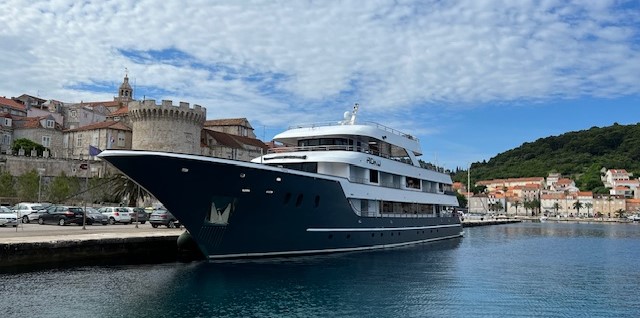
MS Roko

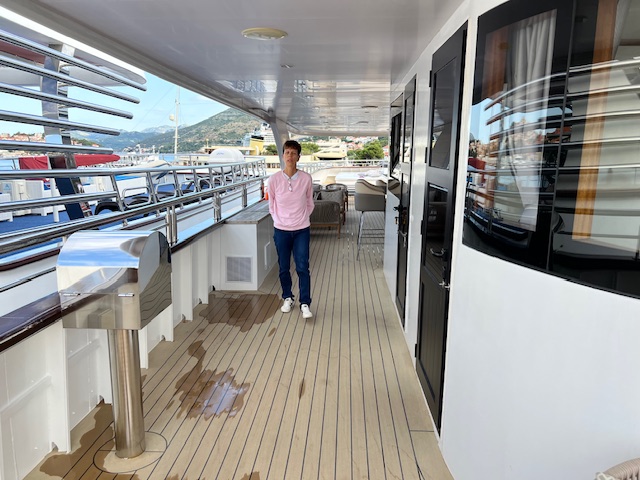
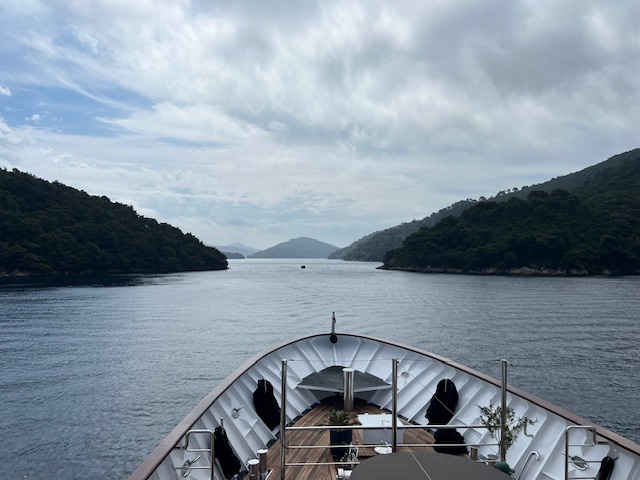
MS Roko was launched in 2021; she’s 50 metres long with a beam of 8.8m and a normal speed 15.7 km/hr – which equates to just under 8.5 knots. The Captain, Ivica Rakuljić, named his ship after his son. (Note 1)

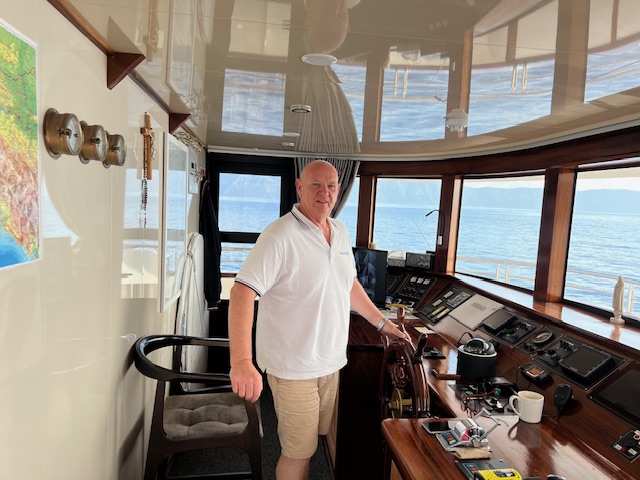
It has 18 cabins so, when full, a compliment of 36 passengers and 9 crew. You could hire her for about €10,000 a day! MS Roko has a draft of 3 metres. I spent a few minutes on Ivica’s bridge when we slid between two islands – with the depth meter showing a healthy 3 metres under her keel.

For Celina and me, this cruise would be a new experience, being in the confines of a small boat with lots of strangers! On MS Roko, coming together at breakfast and lunch was a good time to chat and get to know the others, whilst outside of those times most people did their own thing, relaxed on a sun lounger, curled up with a book, went ashore in search of an evening meal or listened to one of the very informative tour guides at our various ports-of-call. The atmosphere on board was very informal – except that lunch was 1300 – on the dot! This allowed the galley staff led by Marianna to prepare three-course lunches every day.

A third of the guests were vegetarian, had some food intolerance and others were allergic to something, like Celina and seafood. In the confines of the ship’s galley it was understandably difficult to cater well for everyone. The on-board bar that dispensed coffees and drinks was run by Sneža, assisted by Natalia. Given that the ship had been chartered for the six ‘tourist’ months, there was a new group coming every Sunday, week in, week out. Sneža was permanently on board, with no free days, except when the ship was in Split where her fiancé lives.

In the evenings we were alongside. Such is the popularity of some of these little Croatian towns that space on the quayside is often very limited. Visiting ships end up forming what, in nautical parlance, is called a trot, a boat tied up to another ….. and another …. and another. None of the outer boats used a bow or stern line to the shore, but I imagine they would if a storm was forecast.

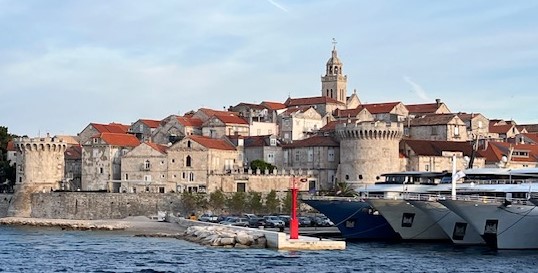
MS Roko alongside in Korčula, on the inside of the trot

From the passengers’ point of view, the ship was effectively run by Viktor, an extremely personable 40 something, married with two sons, engaged by Imagine Cruising to ensure the passengers got what they wanted, knew what was happening and felt cared for. He ticked all those boxes!

Viktor

I asked an ex-RN Submariner Medic, who plays in goal for Scotland’s Under 75s Hockey team, whether he had made any long-term chums through cruising. “Large ships aren’t like this! So no!” There was an eclectic mix of backgrounds in our fellow passengers, and I couldn’t resist asking those questions that uncork the back-stories. Our group included a delightful woman who’d been the bursar of a Special Needs’ school, a couple of men whose careers had involved surveying, either quantitative, chartered or commercial, a female General Practitioner, a recruiter specialising in the Marine and Shipping industries, nurses, artists, property developers, a product developer for B&Q, a South African financial advisor, an ex-Army specialist in packaging, two individuals who’d made a career in the Wines & Spirits Industry, an IT Consultant, a talented designer of books and a woman ten years older than me! Invariably one gravitates towards some people more readily than others.

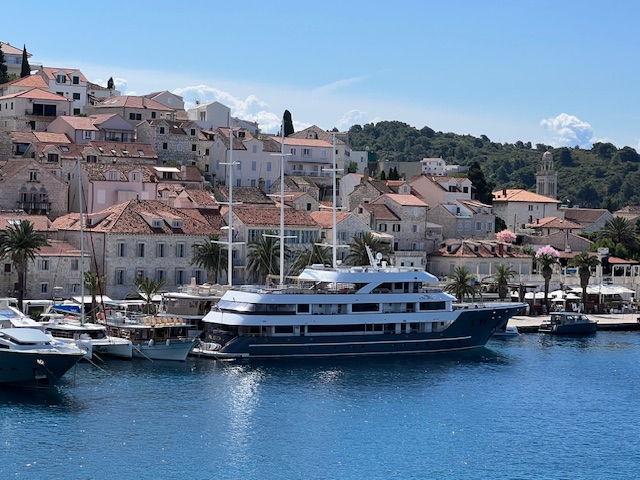
Alongside in Hvar

I have always thought one of the benefits of a Kindle is that you can load books before a trip and not have to carry them, although acknowledge that if there are maps to which you want to refer, it’s a pain in the butt to find them. I was surprised how so few of us had Kindles, the majority gripping a paperback.

Tales of polytunnel plastic around the propeller shaft, the conga line around the deck after the Captain’s Dinner, a missing nightie, the skipper thinking leaving the quayside five minutes before he had agreed to was OK (not!) et al …. are best left for another time.

We left on a Sunday morning at 0900. At 1500 another group would arrive; repeat!

The American poet Longfellow (1807 – 1882) had this to say in his ‘Ocean of Life’ poem:

“Ships that pass in the night, and speak

To each other in passing.

Only a signal shown and a distant

Voice in the darkness;

So on the ocean of life we pass and

Speak one another,

Only a look and a voice, then darkness

Again and a silence.” 

Having sailed over 4000 miles I have passed, or been passed by, hundreds of other vessels at night. First the recognition, then the identification – it’s a yacht/ferry/container ship/trawler/oil tanker …. , the fading stern light and then the darkness. And so I suspect with our delightful fellow passengers on MS Roko; together for 11 days, then we continue our life’s journey, enriched by our experience, like ships in the night!
Richard 28th June 2024

Estoril

www.postcardscribbles.co.uk

PS We bumped into a chum from hot yoga in Brighton – on the street in Dubrovnik!

Note 1 Ships/boats are normally referred to as feminine. Naming a ship after a male fits with the gender fluidity of 2024!

PC 392 Hope Continues

The visit of my mother-in-law precluded a visit to The Hope Café last month, so it was with some relief that, on our return from Croatia and Montenegro (see PCs 390 and 391), I was able to drop in; delightfully nothing much had changed! I am not sure if I had mentioned in a previous PC that Susie, after her return from Tasmania and her experience of working for Margie in her Hobart business, has signed up for a one-year course in Logistics. Brighton is not the place for this sort of thing, so she’s enrolled at the University of Southampton for a course that has both a residential and an on-line component. Her commitment will mean we’ll see more of her aunt Libby behind the counter.

I hadn’t had a good conversation with Sami for a while, so was delighted to find him at one of the tables, hunched over a book and cup of coffee. No need for an introduction:

“What are you reading Sami?”

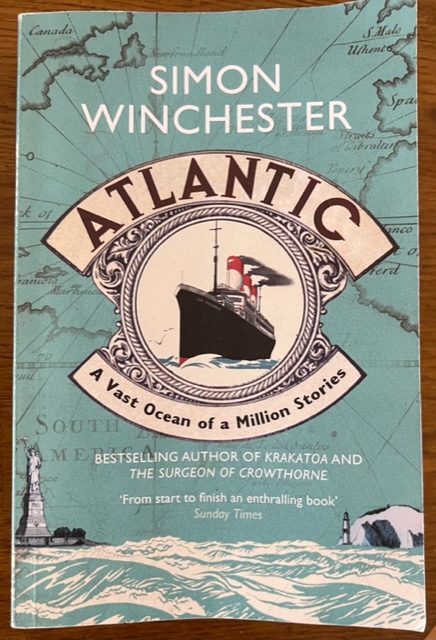
Well, don’t be surprised but it’s not a John Grisham or Jojo Moyes but a fascinating book by Simon Winchester called simply ‘Atlantic’.”

“Could still be a page-turning thriller?”

No! no! It’s about the Atlantic Ocean. I’m only about 40% through but a couple of facts have really excited me, things I didn’t know ….”

“And now you know them you can’t stop thinking about them?”

“Exactly!”

“So, enlighten me please.”

“Well, we have to go back a long, long way in history, to the time when Minoans believed that beyond the Pillars of Hercules (Ed The Straits of Gibraltar), that is beyond the known world, the waters were simply too frightful and fantastic to even think of braving. We’re talking about 7BC. Then the Phoenicians built ships that could cope with the seas and ventured out, turned north and founded what became Cadiz.”

“OK! Sami. All jolly good, but what’s this nugget of information you find so interesting?”

“The Phoenicians found what the Minoans had found 700 years before, the magic of the murex mollusc.”

“The what?”

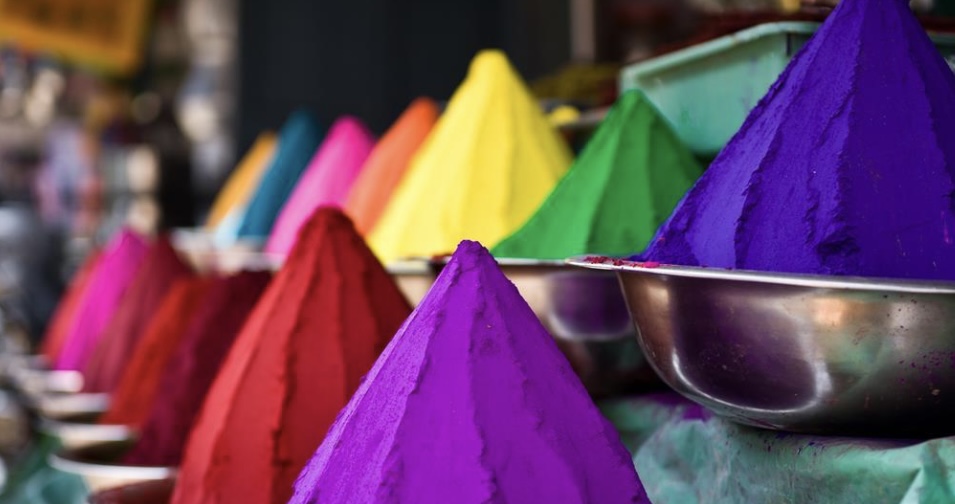
“It’s a gastropod that secretes a rich indelible purple-crimson dye ….. and it’s that colour which the Minoans, the Phoenicians and most notably of all the Romans used to denote imperial authority. (Note 1) Sailing south from the Straits of Gibraltar, the Phoenicians found these snails gathered in their thousands in the bay just offshore from what is now Essaouira in Morocco.”

“I have been there but didn’t know anything about these sea snails.” (Note 2)

“There you go! For almost a thousand years the dye was traded from the city of Tyre and valued at some twenty times the price of gold.”

“Must read more about this; fascinating, and I can understand why this has stayed with you. What was the other fact which sparked your interest?”

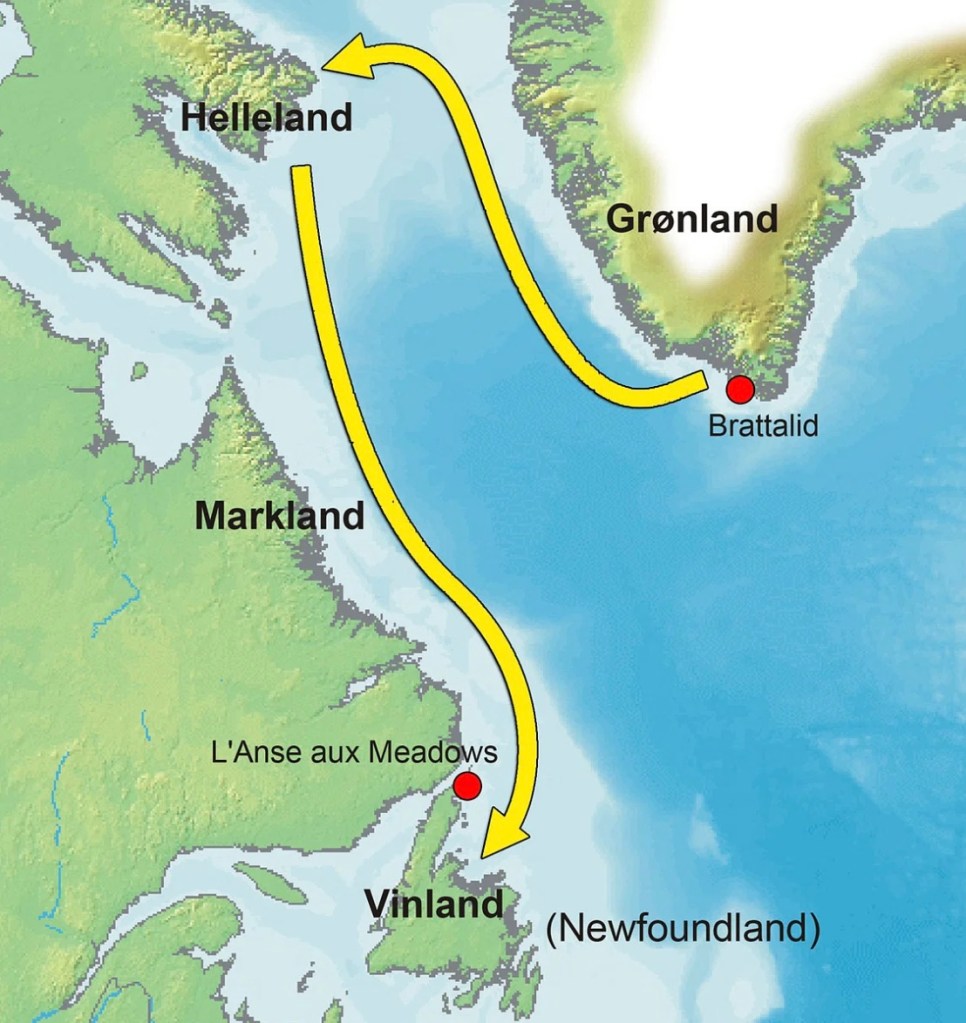
“The Vikings were the first to discover North America.”

“What about Christopher Columbus? Every child learns he discovered it in 1492.”

“A C15th map turned up in America in 1957 showing an island marked as Vinlandia to the west of Greenland. Latin script told it had been visited by Bjarni and Leif Eriksson in the C11th! I read further details and then went on to Google Maps and found this place, L’Anse aux Meadows, where excavations uncovered the Norse settlement.”

“Wow! And you’re only 40% through the book! I am sure there will be lots of other interesting things to find out about. Back to today, the Post Office enquiry was getting a lot of press before the General Election was announced, what with the senior managers, CEO and chairwoman giving evidence. I know you want to put it behind you but ……”

I do and I don’t. I’ve moved on but sincerely hope that those responsible for the whole fiasco face some criminal charges. Trouble is so many individuals hoped the whole thing would just go away, couldn’t take personal blame, couldn’t say: “It was my fault”. But I am delighted that Alan Bates, who founded the pressure-group Justice for Sub-postmasters’ Alliance and brought the whole scandal to the public’s attention, has been knighted in this month’s King’s Birthday Honours List.”

“That’s great! A good award. But the whole sorry saga sounds a little like the Infected Blood Inquiry, whose report last month was the culmination of 4 year’s work.”

“Remind me?”

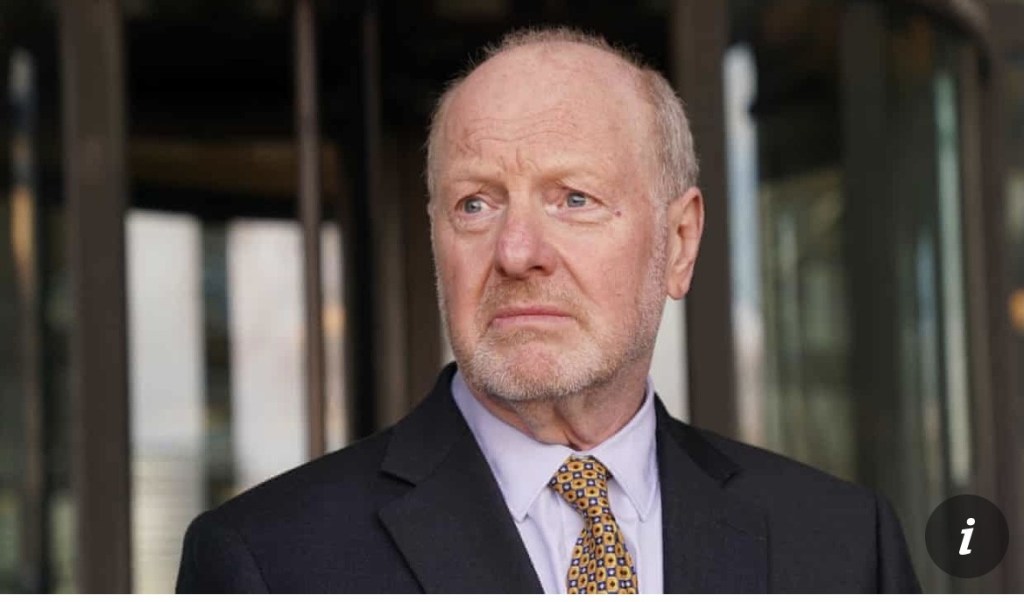
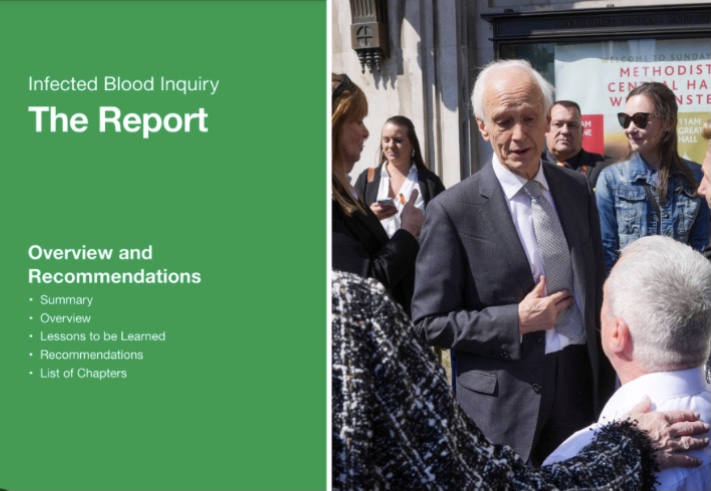
“As I understand it, from 1970 to 1991 the NHS, not having enough UK blood supplies, imported blood products, particularly from the USA, for use in transfusions, knowing that some were infected with viruses like HIV and Hepatitis C. More than 30,000 people were infected, with thousands dying as a result. A good example is from Treloar’s College, a school for disabled children in Hampshire. Between 1974 and 1987 children were offered treatment for haemophilia; at least 72 died after being given blood contaminated with HIV and viral hepatitis. After decades of failure by the government of the day, the NHS and doctors to even address the issue, let alone talk about compensation, the “Infected Blood Inquiry” May 2024 Report recommendations have been accepted and compensation levels and timescales have been agreed. As one of those affected said: “We have a voice and at long last we have been listened to. We have railed against authority, shaken a fist at the storm ….. and nothing happened. At last!” Absolutely disgraceful, shameful!”

“You mentioned the General Election. I am cross as I won’t be able to vote …. and I want to.”

“Why can’t you vote?”

“Lisa and I are off to the Algarve in southern Portugal the day before the postal voting papers are distributed …. and not back until the day after the election!”

“Ah! Apply for a Proxy Vote now and someone who’s registered to vote in your Electoral Ward can vote for you both. Anyway, most people vote to get rid of whoever’s in power, not voting for another party they think will do better. Hey! I need to get going …. maybe see you in Portugal …..?”

Richard 21st June 2024

Estoril, Portugal

www.postcardscribbles.co.uk

PS Just to keep you my readers up to date, the designations for sexual orientation are growing – it’s now LGBTQQIAPK+ (Lesbian, gay, bisexual, transgender, queer, questioning, intersex, pansexual, two-spirit, asexual and ally)

Note 1 Chemically it’s known as 6.6’-dibromoindigo

Note 2 In PC 391 I mentioned our Split, Croatia tour guide Pero Ugarkovic is an expert on sea snails. He probably could have waxed lyrically about these little creatures.

PC 391 Tales of Croatia (Continued from PC 390)

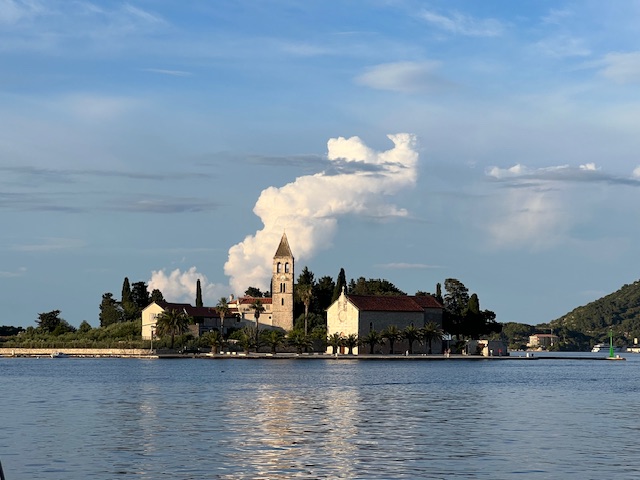
Then onto Vis, an island that played an important regional role in World War Two. Britain assisted Marshall Josip Tito, who went on to become President of Yugoslavia, to form and develop his partisan resistance movement, the British team led by the politician and author Sir Fitzroy Maclean. Tito and Maclean formed such a good relationship that the latter was able to buy a house on the island of Korčula, not normally possible for a foreigner. As an aside, it’s thought that Ian Fleming modelled his Bond character on Maclean. Vis is riddled with caves and tunnels which gave the partisans protection from any Italians sent to look for them. The island was occupied by Italy until 1943, when it was liberated by a combined British-Yugoslav force but it wasn’t until 1989 that tourists were allowed on Vis, as it had been a Yugoslav Naval base. It’s a typical Dalmatian Island, with clear water, limestone buildings and the obligatory monastery. (Note 1)

The Church of St Jerome in Vis

We upped anchor around 0530, motored out of Vis ……

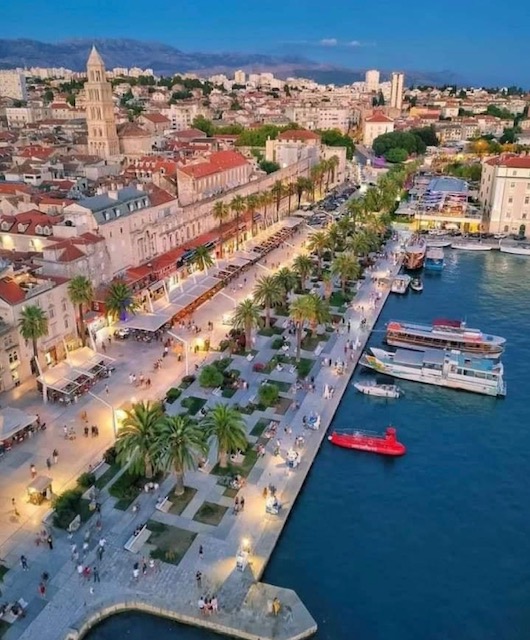
 …. and made our way to Split.

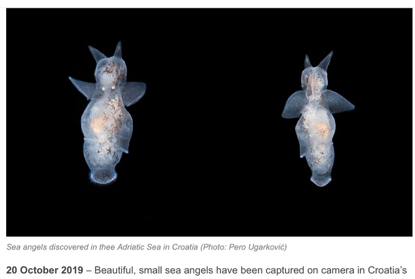
We took the tour, our guide this time was Pero Ugarković. Croatians have a habit of being tall, and Pero was probably around 2m. (Note 2) When I asked what he did in his spare time, he divulged he loved spear fishing, was an associate of the Institute of Oceanography & Fisheries in Split, had just published a book on sea snails and in 2019 had photographed small sea angels in the sea off Croatia.

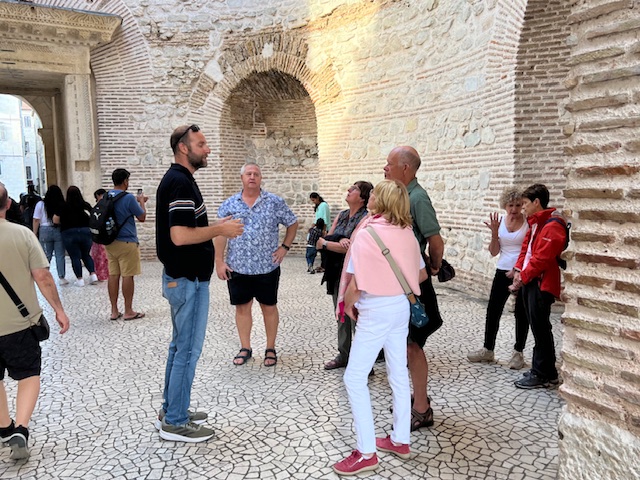
 “Now” he said to us, “here we have the southern gate of the Palace of Diocletian. Diocletian ruled the Roman Empire from 284 to 305, when he retired here to Spilt. He was possibly the only emperor to retire!” 

And so we wandered into and around one of the largest Roman palaces still well defined. For sure, the internal structures have changed over the centuries and the architecture reflects who was in charge at any particular time, but it wasn’t difficult to half-close one’s eyes and imagine …

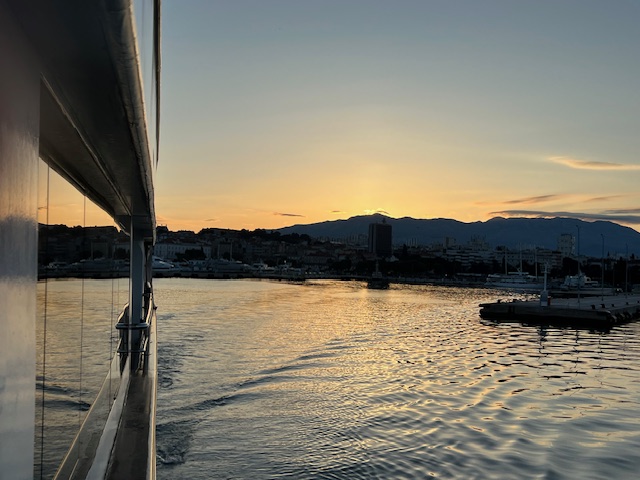
We spent the night alongside in Split and were plagued by a boat of young people intent on shouting, screaming and yelling that tied up on the outside of us. I was reminded I was young once! Early morning and we were off before sunrise, destination Hvar.

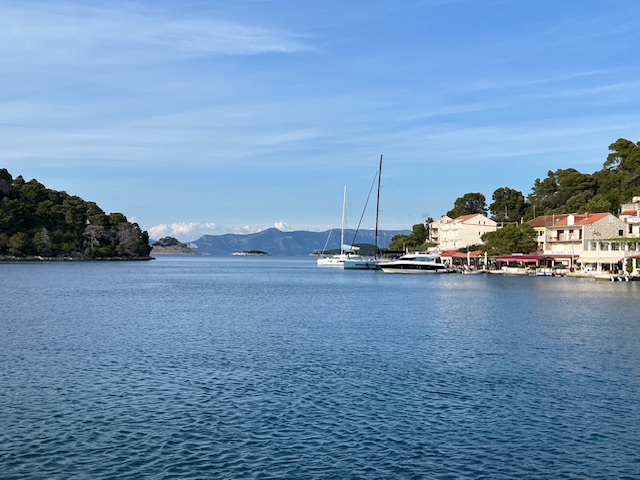
Ivana, who came from Stari Grad, over the mountains to the north, was our guide. Her most memorable snippet was that the local wine is better with 10 drops of water; these apparently bring out a gorgeous bouquet. I knew already that the oldest public theatre in Europe is here, on the upper floor of the Arsenal Building.

Created in 1612 it’s been gradually modernised as the years have rolled by; it closed for its last renovation in 2004 and reopened in 2019. Hvar’s central square’s stone floor is so polished by the infinite number of soles over the years it reflects the bright sunshine. 

Hvar old town from the castle

After the short tour and time for a coffee, we left for the Mljet National Park and tied up alongside in Pomena for two nights.

A walk and a boat ride across a lake ……

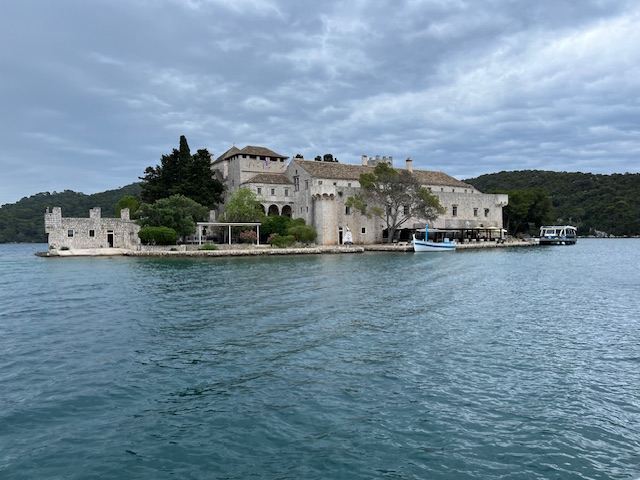
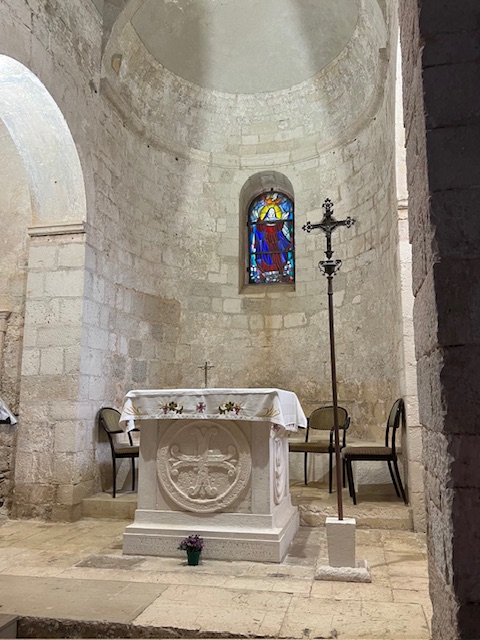
….. found us on the island of St Mary’s and its little Benedictine monastery.

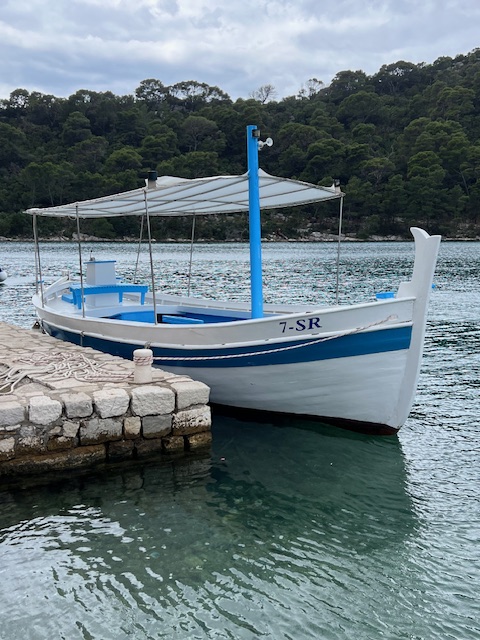
Just a sweet looking boat!

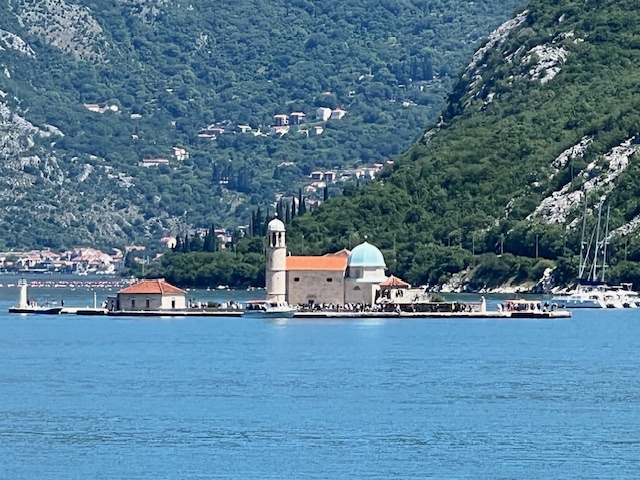
Then our last day on Ms Roko, motoring back to Dubrovnik. After a night alongside, Sunday saw us embark onto a coach for our journey to Montenegro, next door to Croatia, where we would have three days. I can’t think of the last time I had my passport stamped transiting by road from one country to another! In Perast we got on a boat and motored across Boka Bay ……

The Church of Our Lady of Škrpjela in Boka Bay

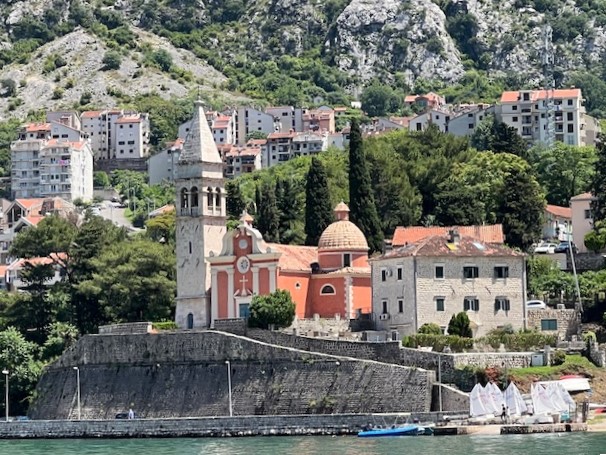
…… to Kotor.

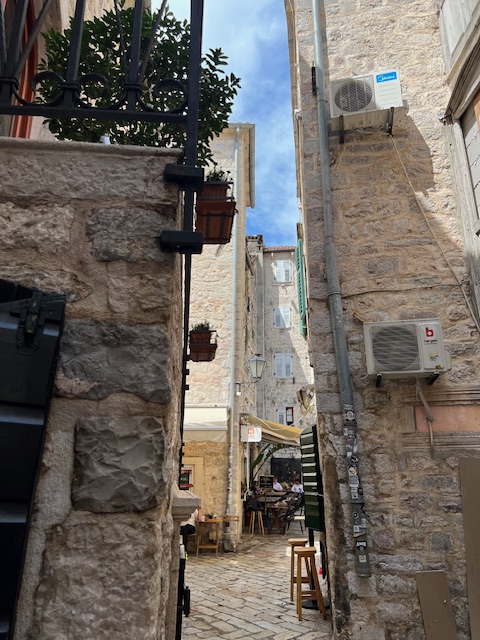
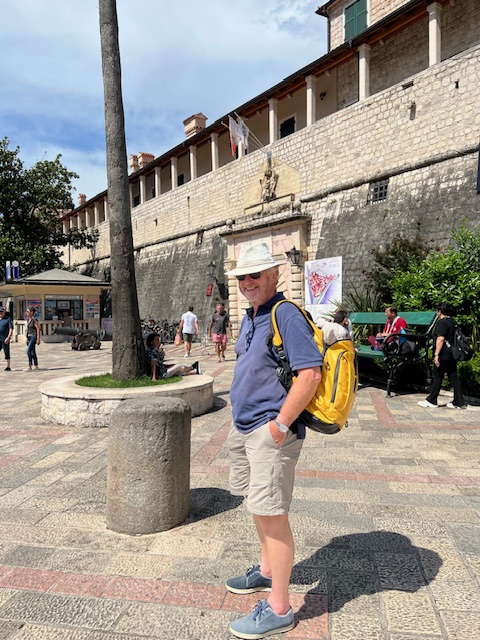
Many beautiful walled towns dot the shores of the Mediterranean and, after Dubrovnik, Kotor must be a favourite. Fortunately it’s more difficult to get to, so it’s only the arrival of a large cruise ship that will swamp its narrow streets with rubberneckers.

The eagle-eyed will notice Francisquinha had jumped into my backpack

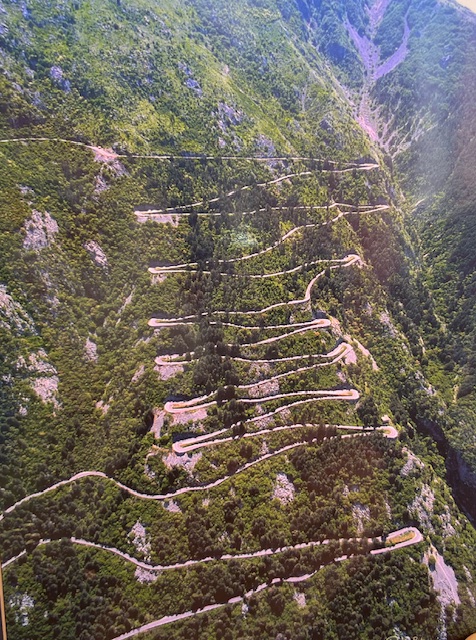
Driving out to the north requires a certain stamina, the road’s 25 hairpin bends a challenge for those vehicles without powered steering – like our Land Rover in 1965!

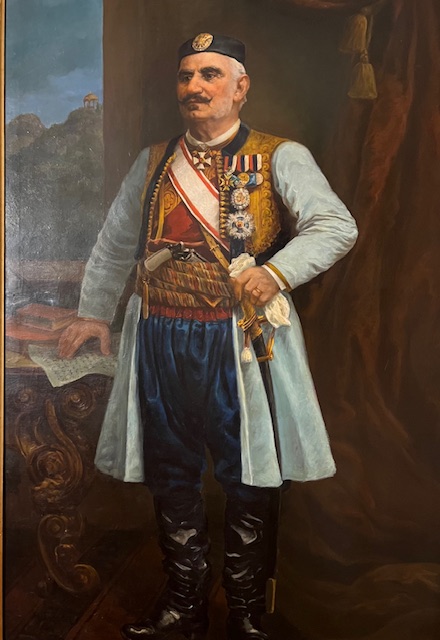
Then back on the coach to our hotel resort just south of Budva, itself a popular resort for the younger Montenegrin set intent on hedonistic pleasures. On the Monday Sandra, the Imagine Cruising representative, took us to Cetinje some 50 minutes inland and the former royal capital of the country. I am not a fan of religious paintings but was very taken by the rich gold-plated iconostasis in the Court Church.

Within the church are two marble tombs containing the remains of King Nikola and Queen Milena.

Cetinje’s sadly in decline; factories have closed and the younger population are moving out to find employment. Croatia’s been a member of the EU since 2013 and Montenegro seems poor by comparison, this little town being a good example; but it’s a small country with a population of some 600,000. Titograd became its capital after the demise of the monarchy, but the city’s name reverted to Podgorica in 1992. On our journey from Dubrovnik Sandra had told us that any land with a view of the sea had been snapped up by Russians, prepared to pay silly money to build a house. Apparently, the owners have no interest in integrating, no interest in the local environment and are consistently rude. Sounded familiar! (See PC 134 The Largest Mediterranean Island Oct 2018)

You might be wondering what it was like to be on a small ship during our time up and down the Croatian coast? Gathering my thoughts and will put pen to paper, so to speak, soon.

Richard 14th June 2024

Hove

www.postcardscribbles.co.uk

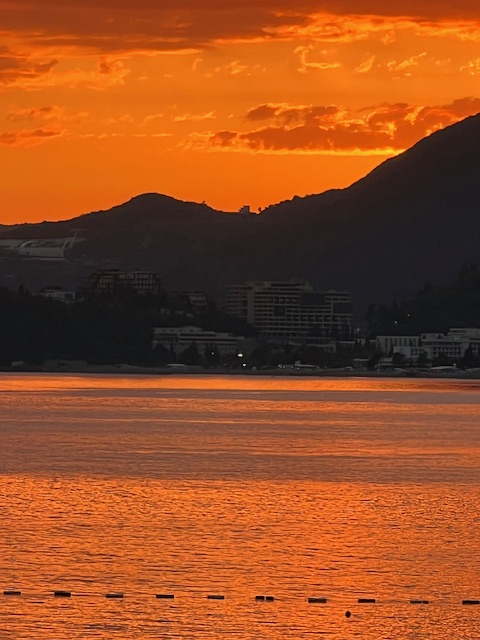
PS And finally a sunset!

Note 1 Bonaparte Napolean closed all the Benedictine Monasteries dotted up and down this coast in 1805.

Note 2 Our Montenegrin guide’s sons were over two metres and one of the security people at Tivat airport towered over me!