I popped into the Hope Café this week as Sami had texted to say he was back from his Indian adventures (see PC 302) and wanted to show me some photographs. Grabbing my usual double espresso I made my way across to Sami’s corner table, where his iPad lay open in front of him. In these quasi post-pandemic times, a big hug seemed the right thing to do!
“Sami, so good to see you again; you must have been away three months or more?”
“Actually I got back in mid-October but I hadn’t been keeping my Covid Vaccinations up to date and caught a very mild dose! Fortunately my blood group is O Positive and statistically we have fewer symptoms than other groups; anyway I am now fully vaccinated!”
“Glad to hear it! How was your trip? Did you get to look at some of the Indian Mutiny sites?”
“Yes! I found a great travel agent, Float & Fly Tours and its MD JP Sangar who organised everything for me.”
“Excellent! You remember me telling you before you went that my great-great-grandfather had been in Patna during The Mutiny, commanding the Behar Station Guards. One of his sons, George and aged 7 at the time, remembers sitting on a roof and watching the rioters roaming the streets looking for trouble.
But Britain didn’t of course govern the entire Indian subcontinent, did it?”
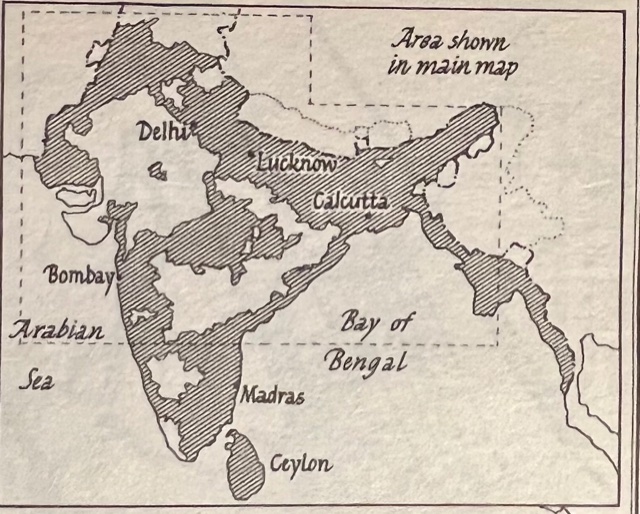
“No, I found this map which shows parts of the country were run by Maharajahs. And the rest (shaded) was essentially subcontracted out to the East India Company, who was a quasi-governmental organisation whose army was recruited mainly from Bengal.
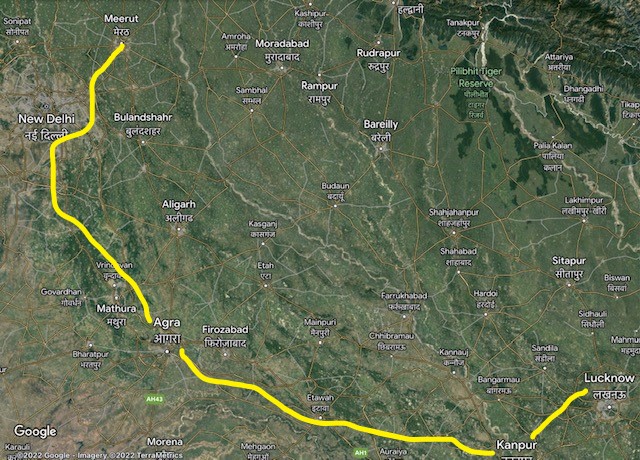
I flew to Delhi and learned that the tour would take in Meerut, Delhi itself, then down to Agra and on to Cawnpore (now reverted to its Indian name Kanpur) and Lucknow. Here’s the geography.”
“You probably don’t want to do a blow-by-blow, minute-by-minute account but what are the immediate memories you’ve brought back?”
“Well, most people know the popularist reason for The Mutiny concerned the new Enfield rifle cartridge. The rifleman needed to bite off the end of the paper wrapping, said to be greased with pork and beef tallow; not good if you were either Hindu or Muslim! But there were other grievances throughout the army, which was a volunteer mercenary force officered by men of a different race and religion!”
“Ah! Yes! The British men who didn’t have the money to buy a commission in the army at home!”
“Exactly! We drove out of Delhi to Meerut where it had all kicked off on 10 May 1857. As you move away from the centre of Delhi, or any other city for that matter, the roadside stalls change in their offering. For example, first new cars, then second hand cars, then tyres and upholstery, then individual wheels, then wheel hubs and finally nuts. Everything is recycled, everything is for sale!”
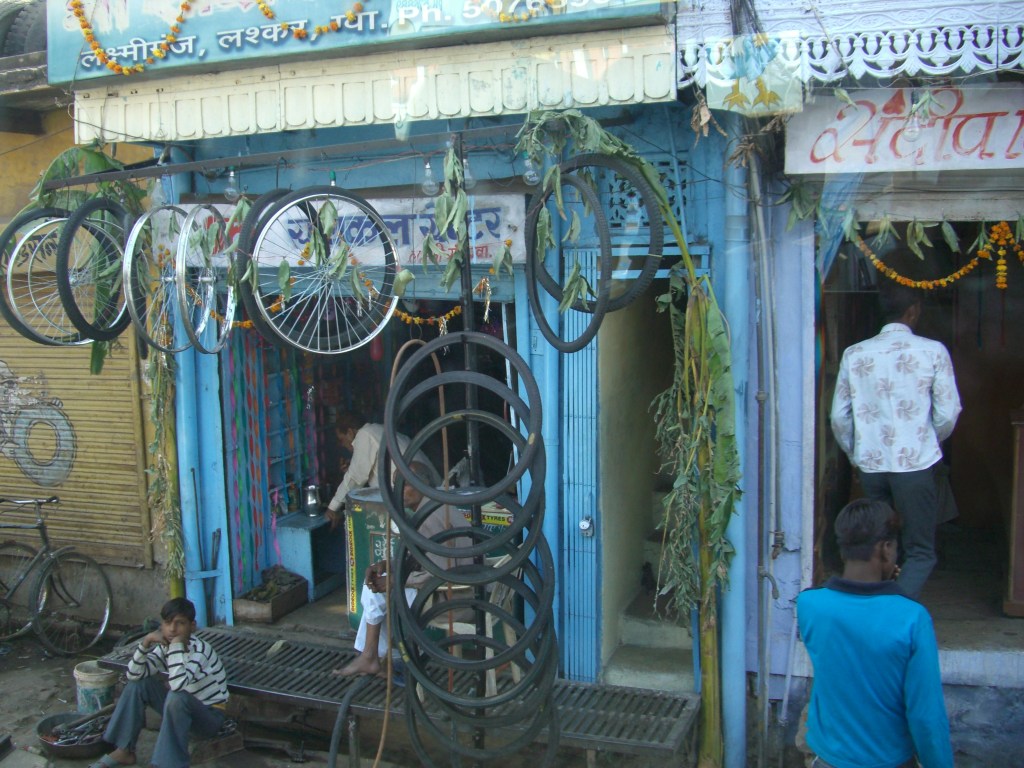
Susie popped over, asking whether we wanted more coffee and, as it was a Thursday, produced some Brazilian Brigadeiros from next door to sample. With more coffee ordered, Sami continued:
“In Meerut the church has memorials to the officers and their families who died; here’s one to Veterinary Surgeon Charles Dawson and his wife Eliza – ‘killed by the mob’
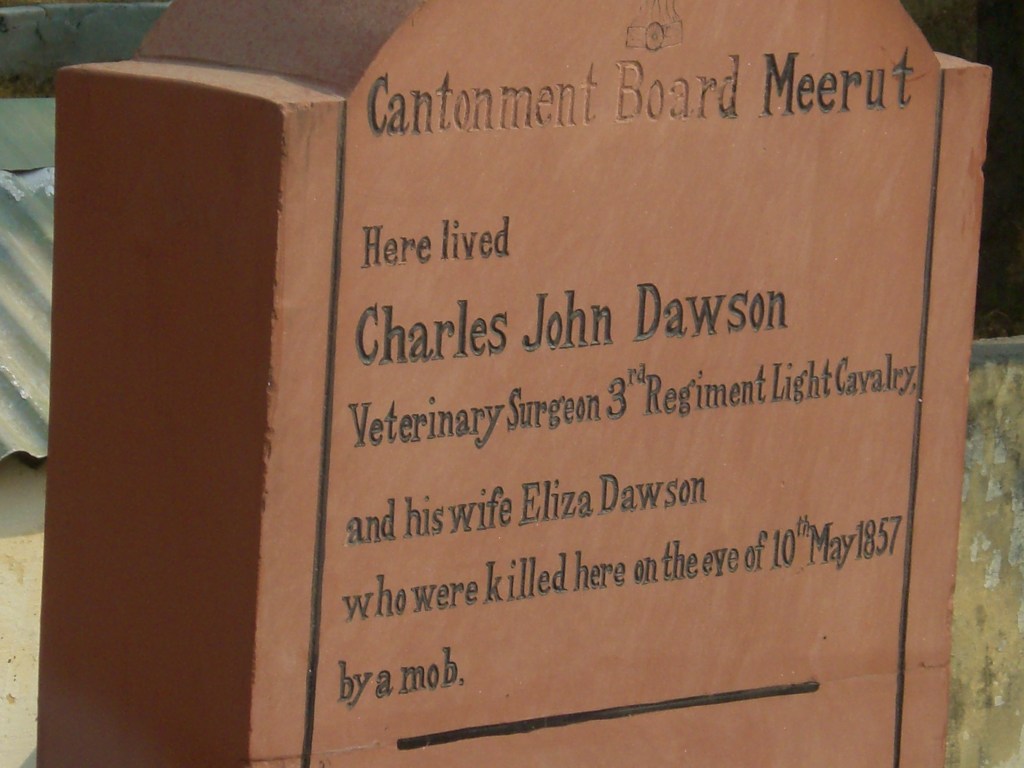
We looked at where there had been fighting in Delhi but it was what happened in Cawnpore that I remember more; such a tragic story and its ramifications spread far and wide.”
“What happened?”
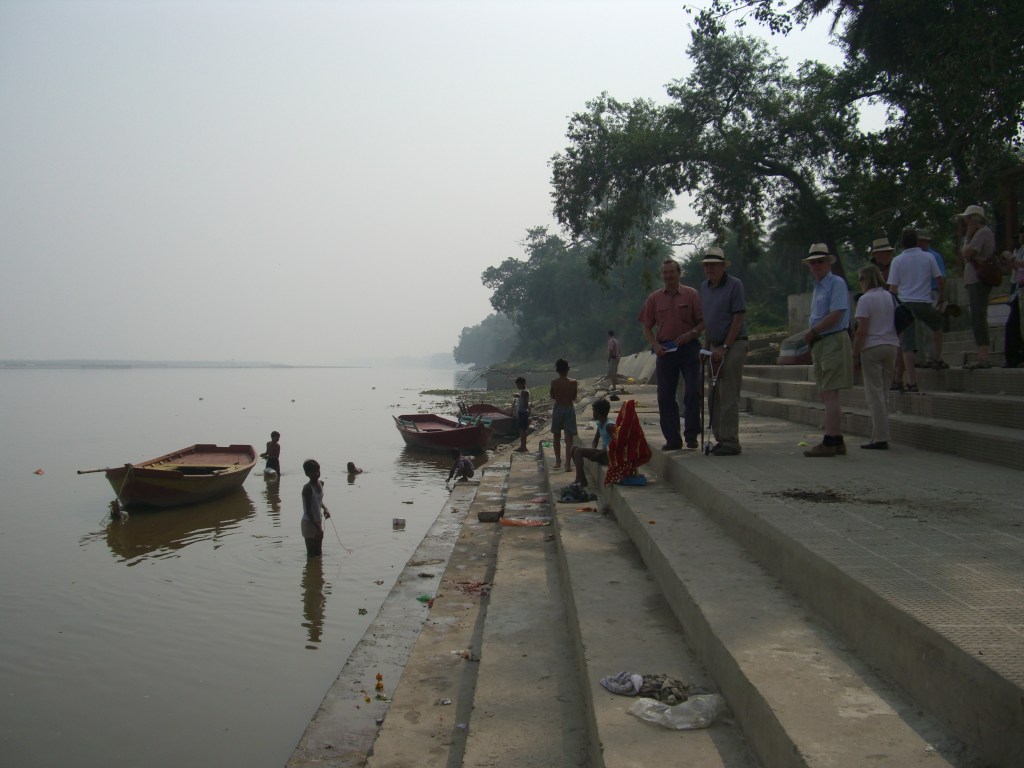
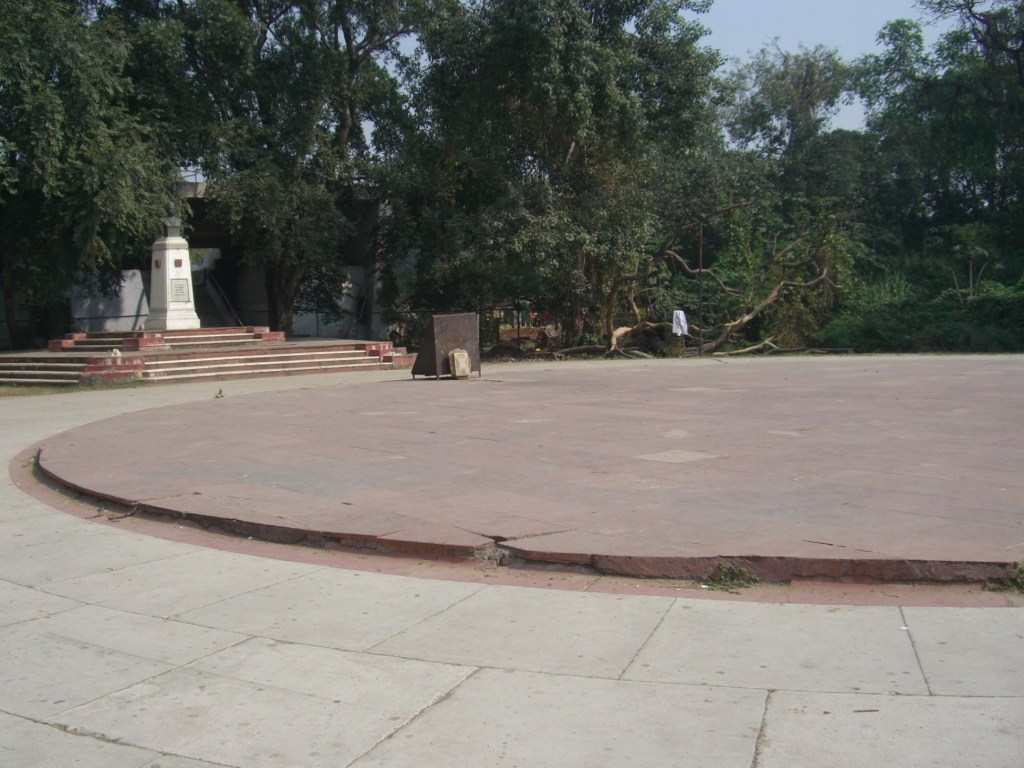
Satichaura Ghat looking downstream
“In short, the British forces in the city of Cawnpore surrendered to the rebel army, with a promise of safe passage down the Ganges. As the laden boats pulled away from Satichaura Ghat, rebels opened fire, and hundreds died.
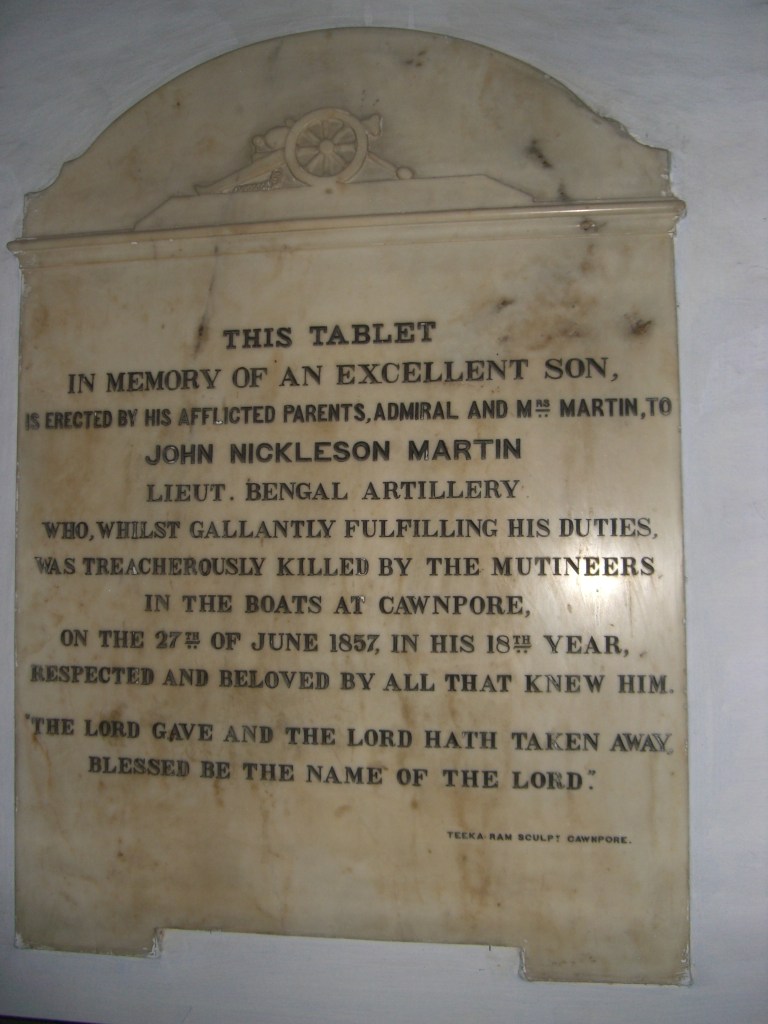
The survivors, some 197 women and children, were taken to a single storey house, the Bibigarh, in Cawnpore, to be used as a bargaining chip. Two weeks later, any negotiations having proved fruitless, five men hacked the group to death with swords and threw the bodies down a nearby well.”
“God! How awful!”
“Sadly this slaughter unleashed a wave of retribution on the Indian rebels and thousands were hanged or blown to pieces with the cry ‘Remember Cawnpore’ ringing in their ears.”
“I think we believe women and children should be spared violence but the war in Ukraine has reminded us that savagery knows no limits. Any nicer memories?”
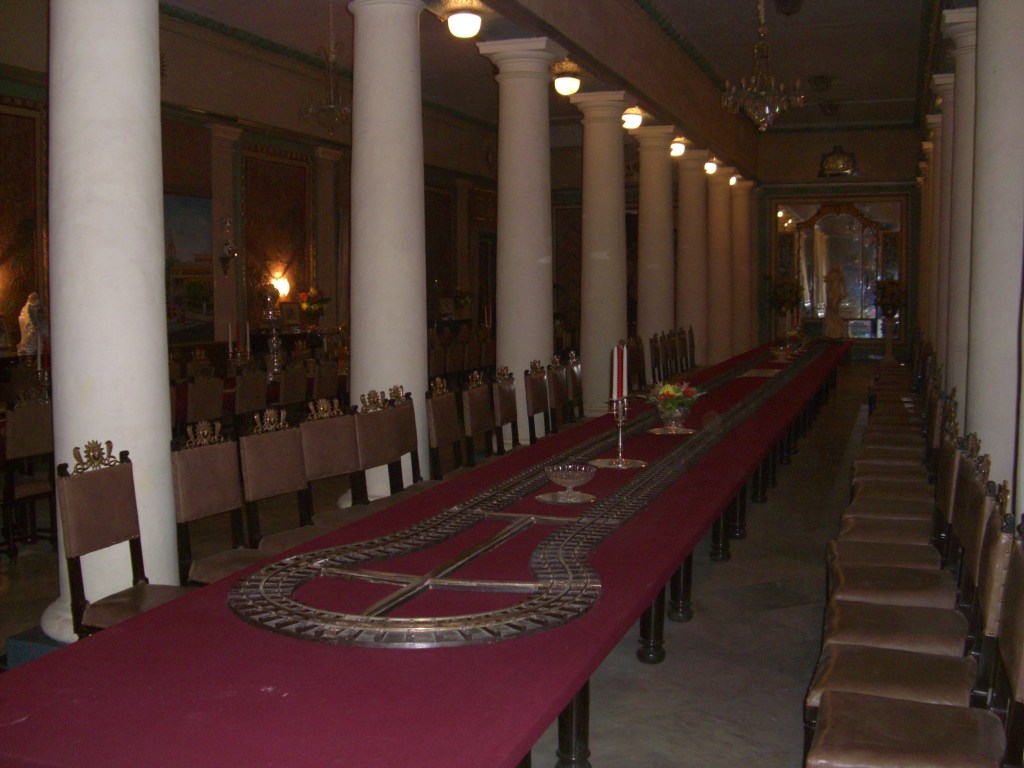
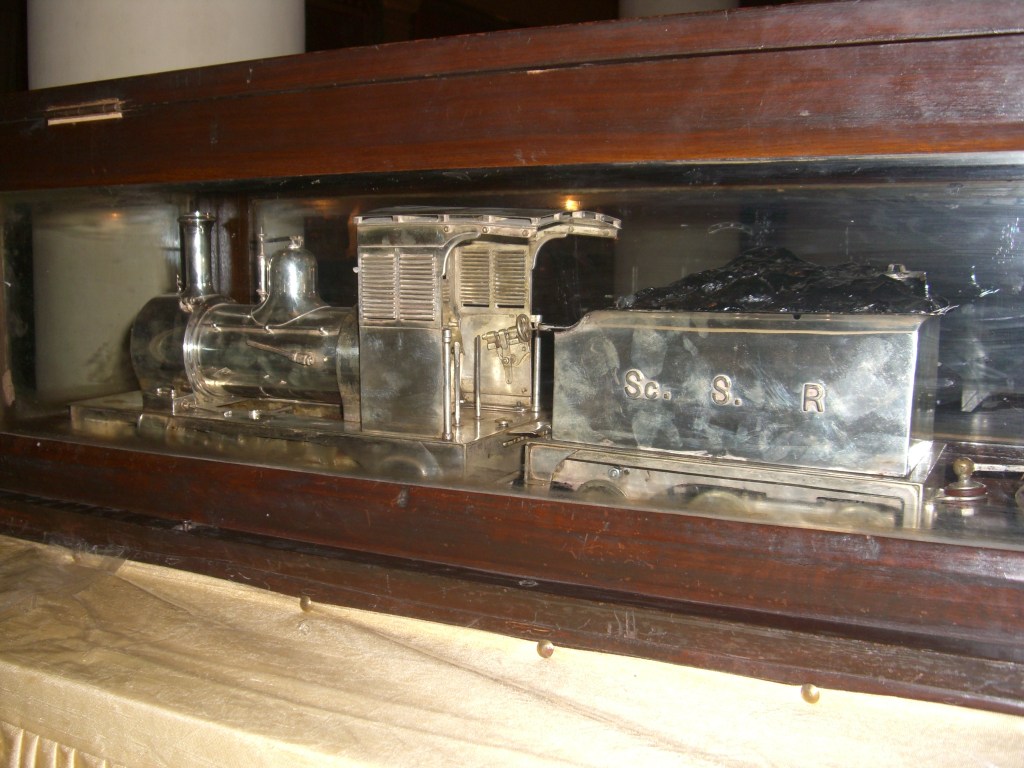
“We visited a few Maharajas’ palaces. In the one in Agra we saw a huge mahogany dining table, so big that the condiments were moved around by a model train set, in solid silver of course!
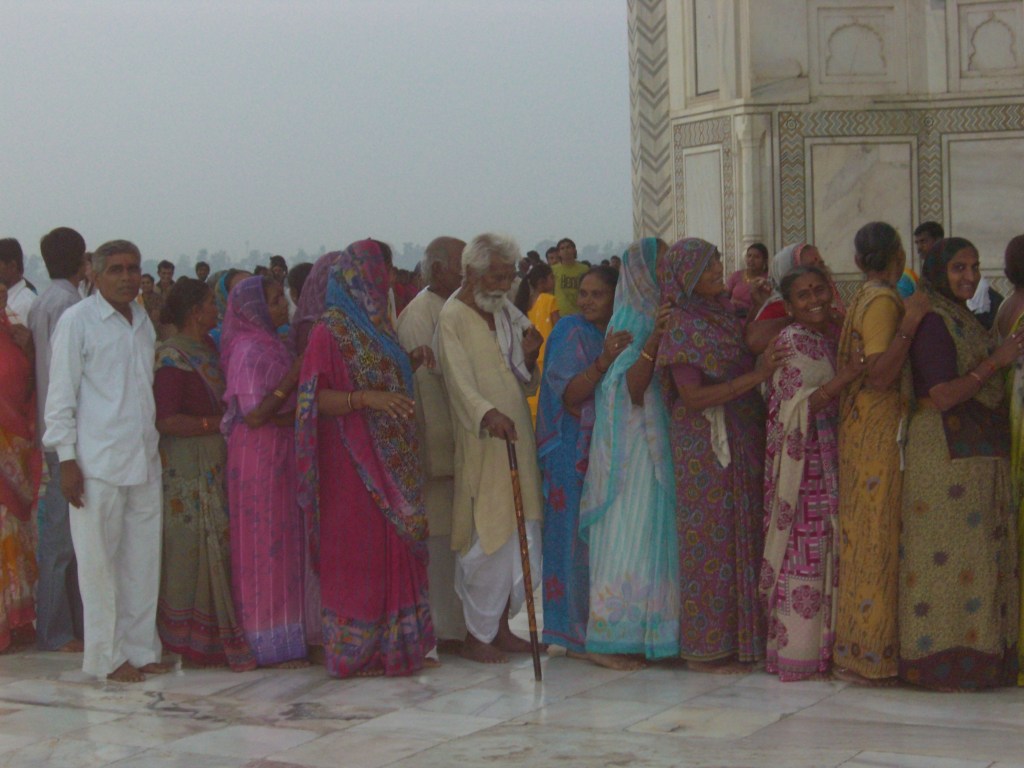
While we were in Agra we joined the queues to see the famous Taj Mahal, the white marble mausoleum housing the Mughal emperor Shah Jahan and his favourite wife Mumtaz Mahal.
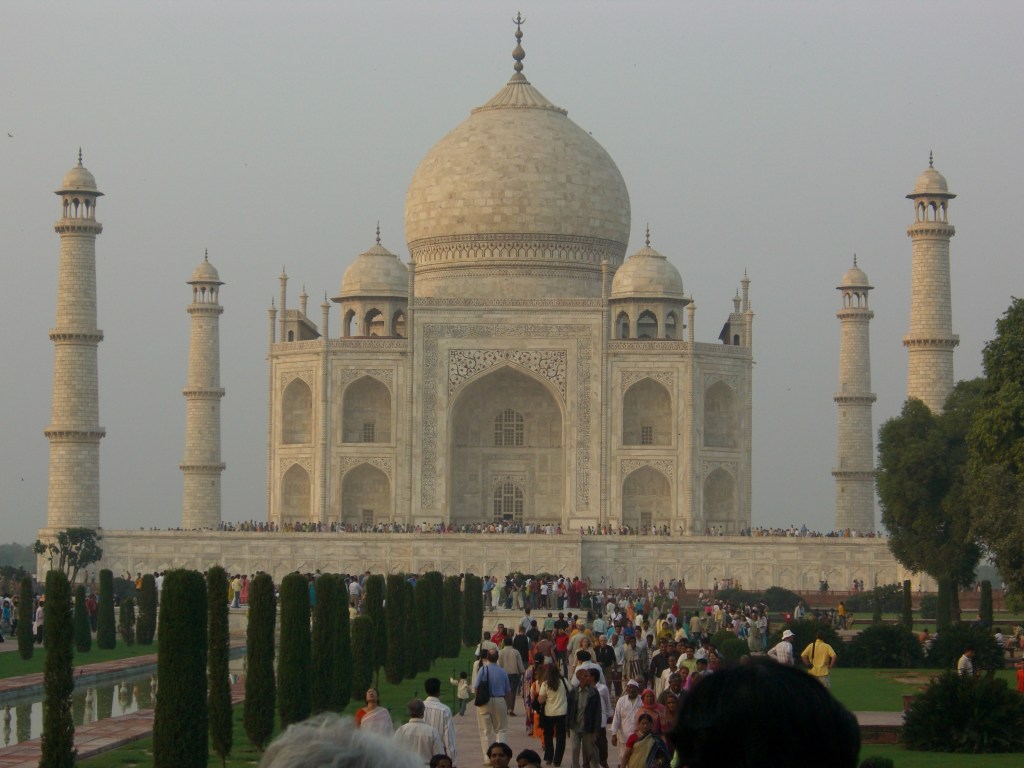
Such a British thing, to queue, but in India there is no idea of personal space; everyone is happy to be up against the person in front – I found this uncomfortable!
It’s been interesting going to India and to meet Indira and other cousins but I don’t feel Indian. My skin colour suggests a pigmentation darker than white, natural as my mother was English, but she never learned to cook curries! My father never cooked, it’s not the way an Indian family split responsibilities, so our house in Southall was never full of the aroma of spices.
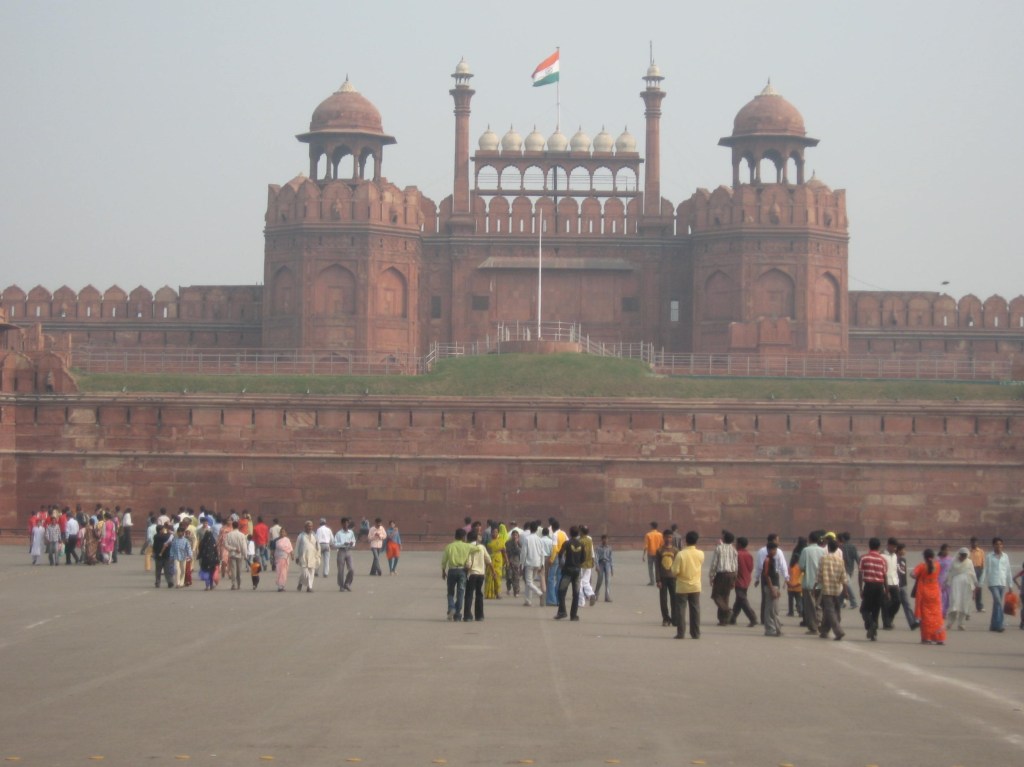
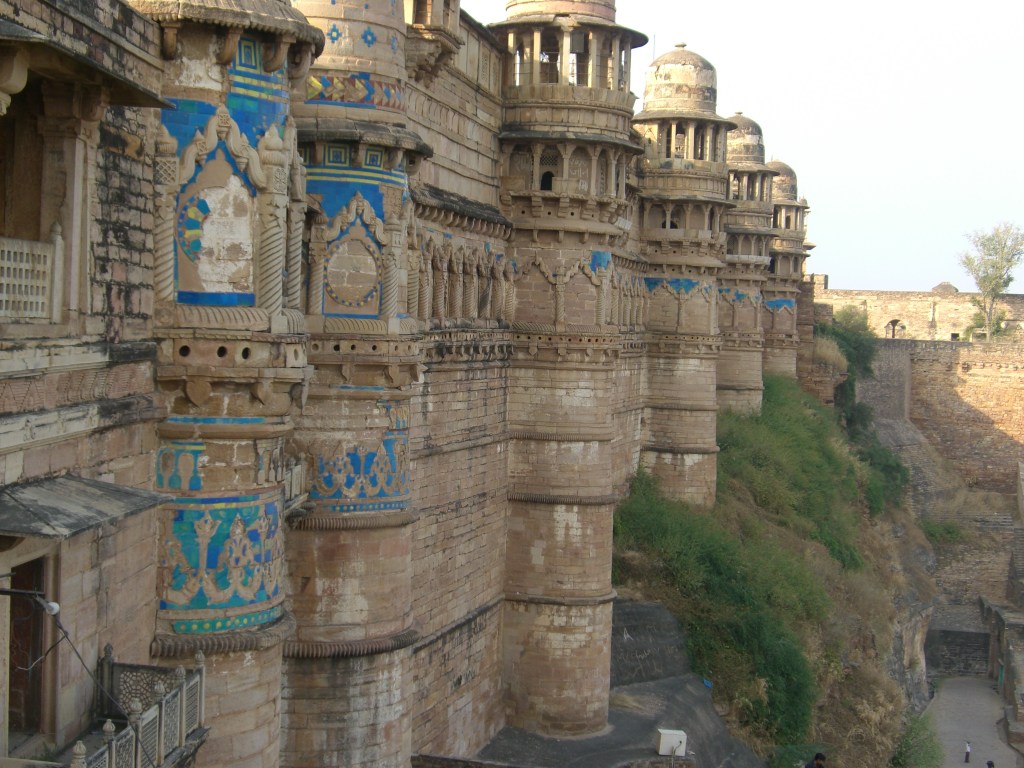
The country is littered with ancient forts and palaces, some like the Red Fort in Delhi well maintained and others just rotting away with no budgets or current interest to maintain or care for them.
The Indian Mutiny, or the First War of Independence, is now considered to be the start of the agitation for independence, which culminated less than 100 years later in the partition of the country into Hindu India and Muslim Pakistan.”
“Wow, Sami, you’ve had a wonderful time by the sound of it; love the photographs. Now all you need is a good outcome to the Post Office Inquiry and you will finish the year on a high.”
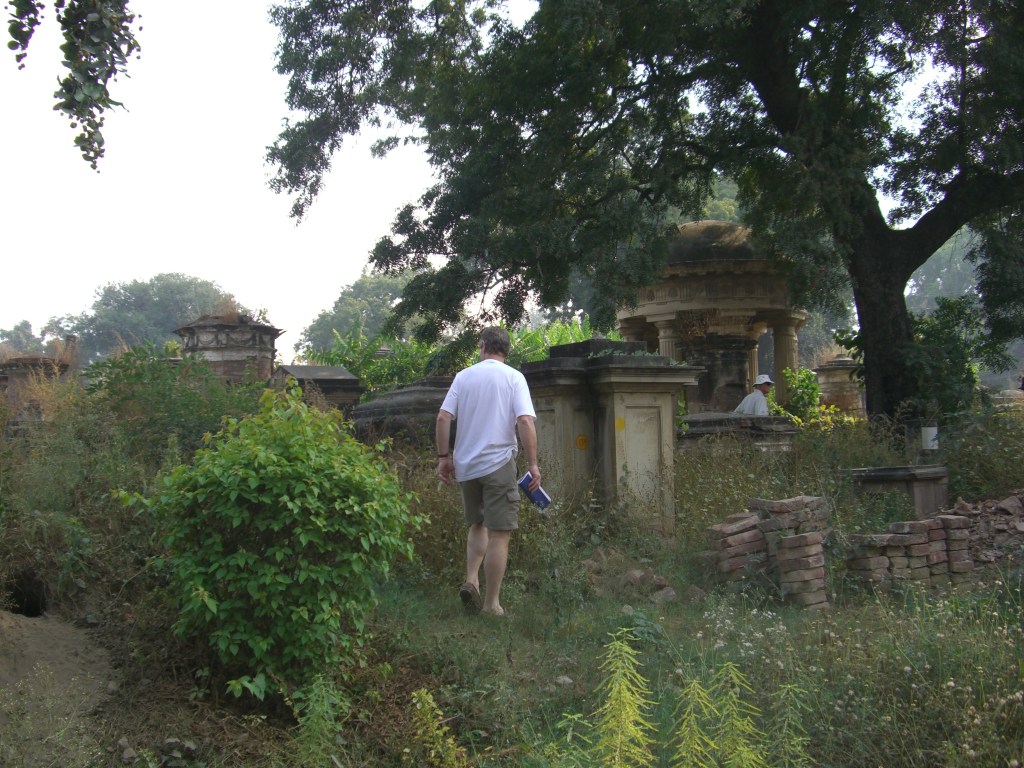
“Absolutely! And by the way, I went looking for the memorial to your great-great-great grandfather Stephen Nation (a Brigadier who died of cholera aged 48 in 1828), who’s buried in the Christian Cemetery in Cawnpore, but it’s all rather crumbled ……. and I couldn’t find it”
“That was really sweet of you.”
Richard 18th November 2022
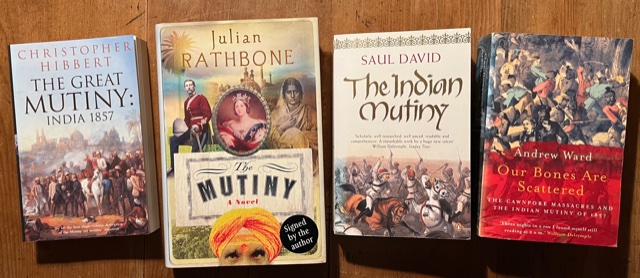
PS If you seriously want to know more about The Indian Mutiny, read some of these books:
 postcards
V good update form Sami, wish him well! Eddie
LikeLike
He’ll be good when the PO Inquiry sets compensation. Not sure when that’ll happen as the Government seems to have other priorities and the PO is losing money!
LikeLike