Where would we be without our feet? You can’t even say ‘on all fours’ as we need something at the end of our arms and legs! I assume that over the course of our evolution hands and feet developed into very different physical shapes, for very different purposes. Most of us take some care over our hands, maybe using a hand cream if they get dry and ensuring the nails are of a reasonable length. Nail polish of all sorts of colours is often applied but more normally by the female gender. But our feet? “The lower extremity of the leg below the ankle, on which a person stands or walks”
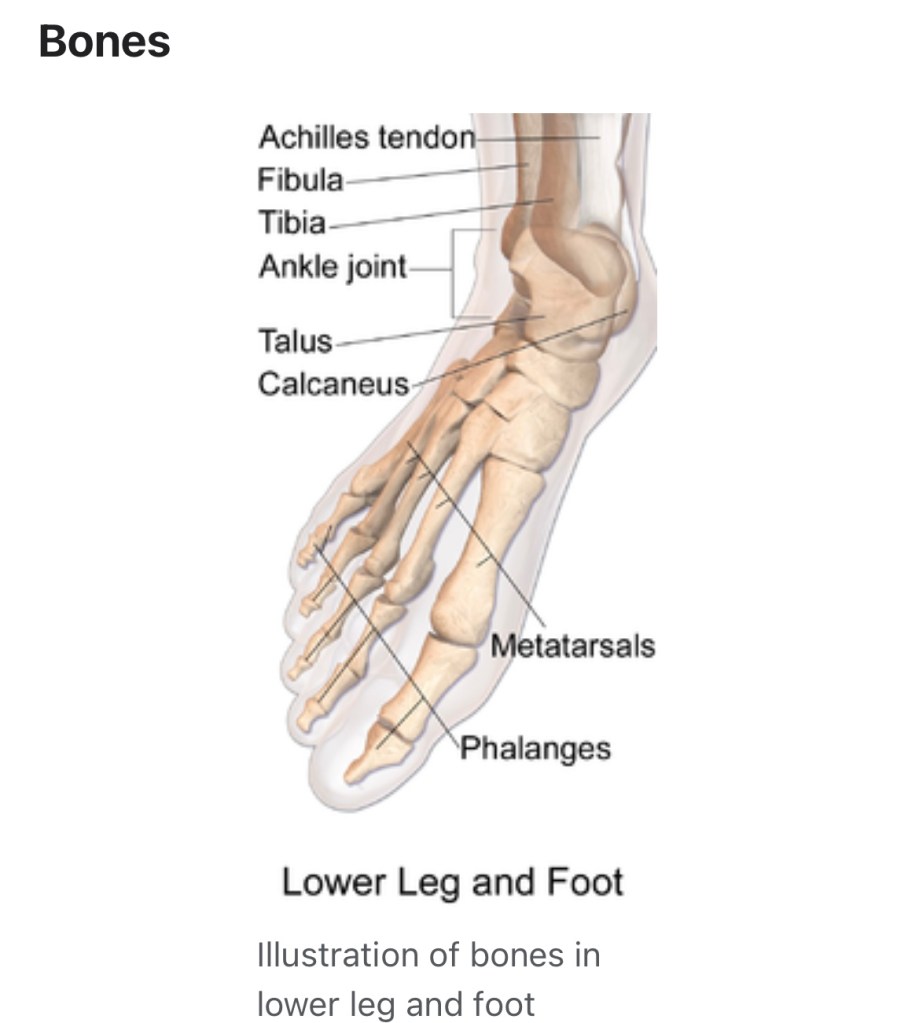
Each foot is made up of 26 bones, 33 individual joints and more than 100 muscles, tendons and ligaments, all of which work together to provide support, balance and mobility. In addition to the bones and their support systems, there are 7000 nerve endings in each foot and 250,000 sweat glands. The bones are grouped into three; the Tarsals making up the rear section, the five Metatarsal bones in the middle of the foot and the Phalanges, the bones of the toes; the second to fifth toes each contain three phalanges. I sincerely hope this is clear?
And if you recognise any of these conditions it’s possible you have been/are effected by them. Big toe arthritis, bunions, Gout, hammer toes, heel spurs, plantar fasciitis and stress fractures!! Then there are issues like chilblains, ‘Covid’ toes, in-growing toenails, verrucas, Morten’s neuroma and Athlete’s Foot.
Tinea pedis is afungal infection that is quite contagious and the haunt of swimming pools and gym changing rooms. Some years ago after suffering a bout and finding it resistant to most remedies, I remembered Potassium Permanganate from childhood. I was surprised to be able to buy it over-the-counter at a chemist’s. Followed the instructions and applied it for a few weeks. It did nothing for the Athlete’s Foot but did give me a delightful display of purple toenails!
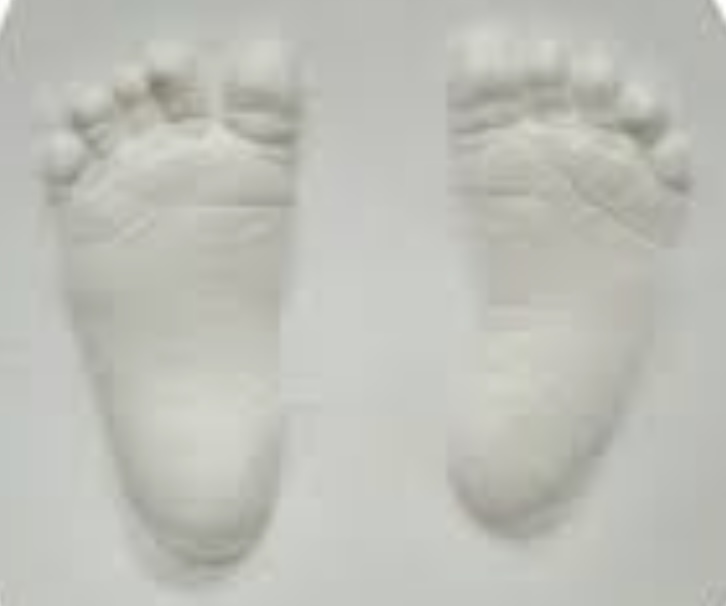
A plaster cast of a baby’s feet
If your feet are constantly encased in cold, wet boots and socks, the chances are you will develop Trench Foot. Soldiers lived in awful conditions in the trenches in the First World War and some developed blisters, blotchy skin and tissue falling off on their feet; the condition became known as Trench Foot; 75,000 British soldiers actually died of it! The military were reminded of it during the Falklands War in 1982, as the wet, freezing conditions soldiers endured on the islands brought on some cases.
Frost bite is as bad as trench foot and something that those who wish to climb to the tops of mountains risk.
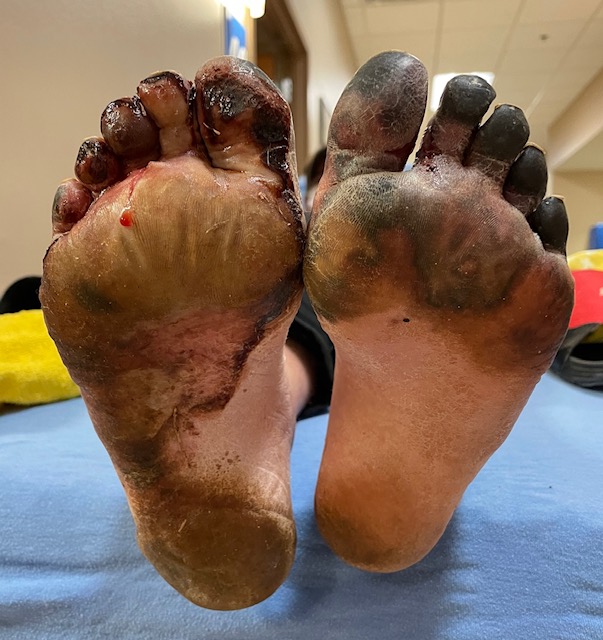
A nasty case of frost bite
During some routine exercise at Sandhurst called Battle PT, on the run I managed to put my booted right foot into a rabbit hole but continued forward. The resulting sprain swelled the ankle up like a Puffer Fish and for two years or more it felt vulnerable. No bone had been broken but the muscles managed to twist a bone out of kilter to the point I now have a bony tip where a bony tip shouldn’t be!!
My mother-in-law remembers going to a recommended podiatrist in Rio de Janeiro back in the late 1980s. He was good but she sensed he was gay and as HIV Aids was creating misery and heartache in the gay community, she wasn’t sure that having someone picking and scraping her feet was such a good idea!!
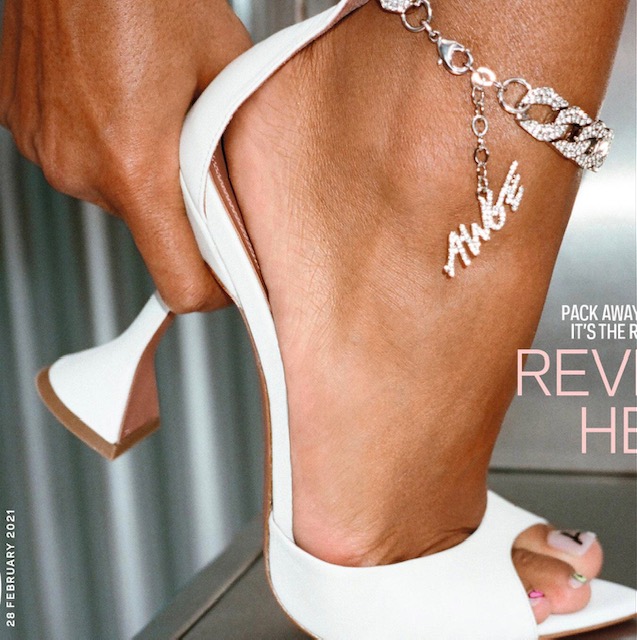
The shape and design of some ladies shoes can cause severe problems later in life. Squeezing your foot into narrow-fronted shoes can permanently distort the foot bones, in addition to producing bunions and the like.
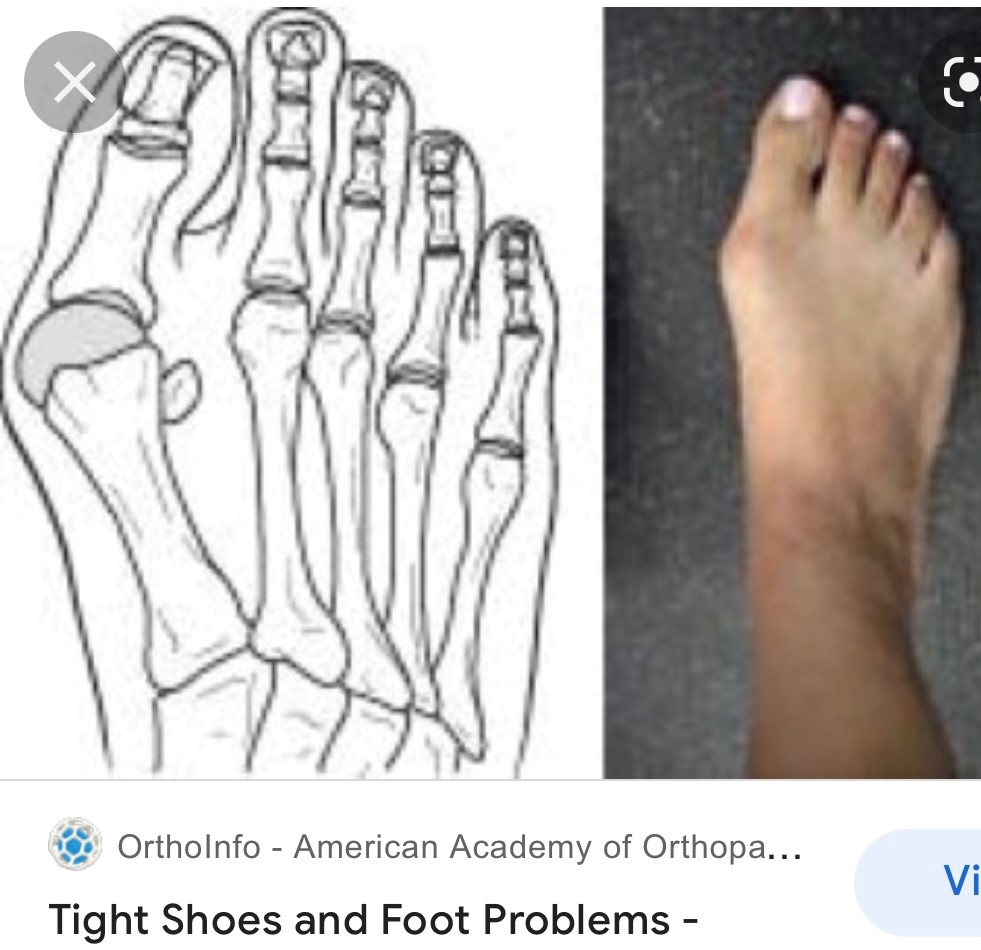
However nothing in the west can compare with the ancient Chinese tradition of binding a child’s feet. The small feet were physically broken and then bound.

The resulting distorted foot was known as a lotus foot and the shoes Lotus shoes. Almost 100% of upper-class Han Chinese women had bound feet in the C19th. If this is news to you, read a most fascinating book on the subject, Pang-Mei Natasha Chang’s 1996 book “Chinese bound feet and Western Dress”.
Swedish men statistically have larger feet than most nationalities. During the late 1800s many migrated to the North West of the United States but found it impossible to get shoes big enough. John Nordstrom teamed up with Seattle shoemaker Carl Wallin, opening their first shop catering for bigger shoe sizes in 1901. Now Nordstrom is one of the largest department stores in the United States; revenue in 2021 was US$ 14.8 billion!
It seems natural to have a unit of measurement based on the length of a physical human foot, about twelve inches (big feet huh!). Since the International Yard and Pound Agreement of 1959 one foot, equal to twelve inches in the British Imperial and US Customary Systems of Measurement, is 30.48 centimetres; a ‘yard’ is three feet. It is useful to calibrate your own pace as you never know when that knowledge might come in useful. Simply measure out say 50 or 100 metres, then walk the distance ‘with a measured pace’!! Most individual’s pace is less than a metre. On my ‘Young Officers’ course at the Royal School of Artillery I had to calibrate my ‘pace’ as it was useful in setting out a gun position.
Apart from the physical foot, it’s the projecting part on which a piece of furniture, or each of its legs, stands, the bottom or end of a space or object or “at the foot of the cliffs.”
There are of course lots of sayings and phrases that include ‘the foot’:
‘Foot the bill’ – pay for something typically when the amount is considered large or unreasonable; ‘Best foot forward’ – take your first step to begin anything; “They were taken out feet first, the body covered on the gurney by a flimsy blanket and wheeled into the waiting hearse.” – direction of travel for the body!; informally, to cover a long distance on foot for example “The rider was left to foot it ten or twelve miles back to camp” – my preferred term would be hoof it!; and ‘Footnotes’, so beloved of researchers.
Richard 14th October 2022
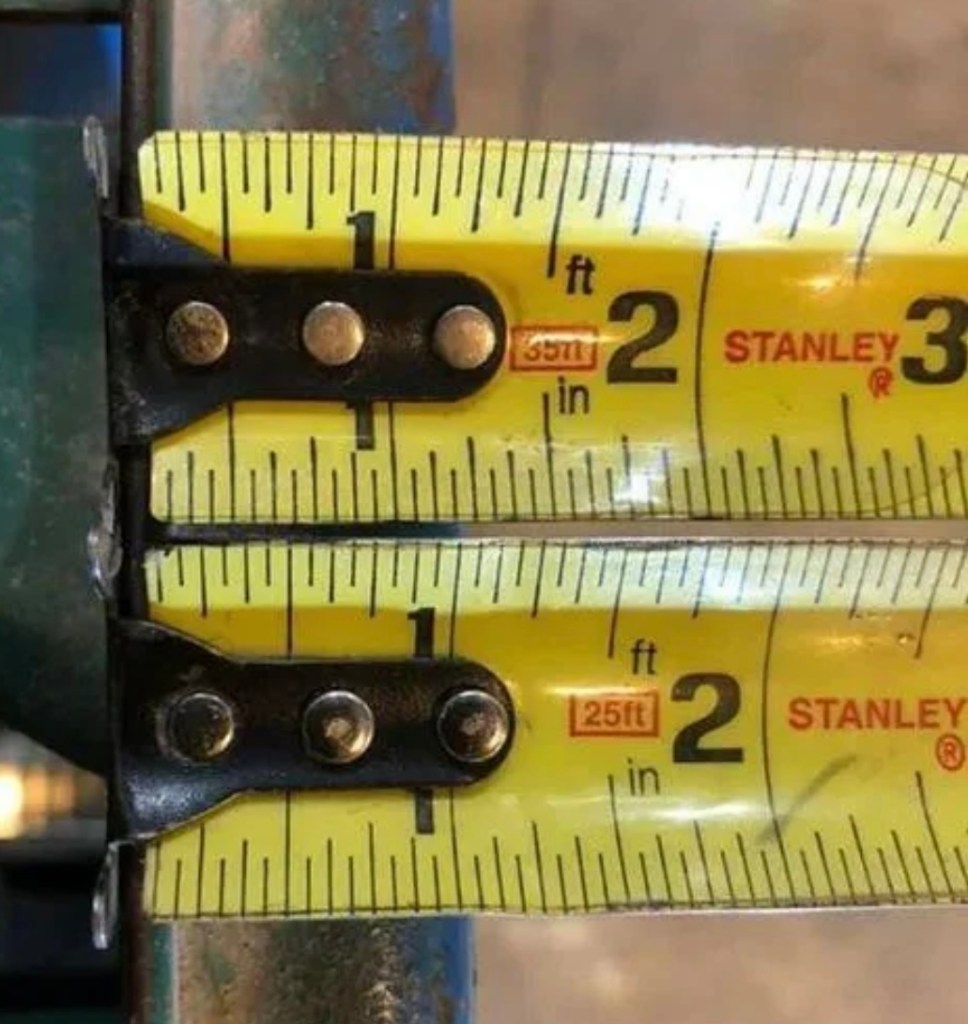
PS If you measure ‘stuff’ regularly, be aware that some metal measuring tapes don’t start at zero!! Always worth starting at 1 inch or 10 centimetres!!
 postcards