PC 306 Murder at the Fete

You might think that after 300 one-thousand-word postcards I would be scrabbling around for things to write about? That maybe I should stop my scribbling and become a little more serious, focus on writing a novel? One postcard in draft concerns some of the books I have enjoyed, some which continue to stay fresh in my memory years after I have read them and others I have been unable to finish. Often novels develop from short stories, expanding the characters, their backstories and the tale itself.  I scribbled what follows three years ago; hope it makes you smile.

“I suppose that, after so many years of being a detective, nothing should surprise me. But life has a habit of doing exactly that and last weekend’s events are a case in point. I was the on-call duty officer, expecting a quiet couple of days and the weather forecast suggested a family BBQ was a possibility. As I wrestled with weighty matters like charcoal and underdone steaks, my mobile rang. My wife Jill looked up as I took the call and immediately saw from my face that duty called.

Sorry darling! There’s been a death at the summer fete in Folding-under-Sheet and the local chap wants some assistance. I’ll give you a call when I have established just what’s happened. Shouldn’t  be too long!”
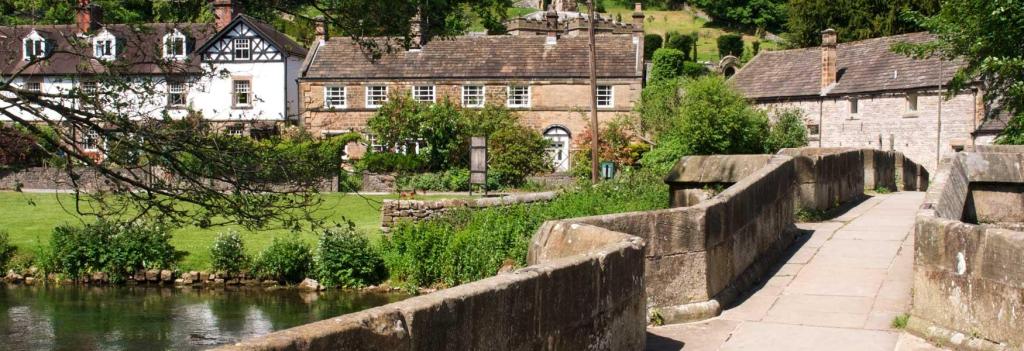
Nestling deep in the Derbyshire Peak District, Folding-under-Sheet is a quintessential English village where time and customs turn slowly. Driving into the village I recalled its history, how the family in the manor had owned most of it until the beginning of the 1900s when Death Duties forced them to sell large tracts of land. Today Mrs Grace Girdlestone, (Note 1) the widow who lives in the mansion with her two daughters and son, would be in her eighties. Her daughters, headstrong and arrogant, were known to ride both horses and roughshod over the villagers but their mother would have been presenting prizes at the fete, as was her right!
 As I parked my car I saw PC Benson, a local policeman whom I had met previously, walking over.

Hello Sir! Good to see you. It’s Mrs Girdlestone I’m afraid; she was found about an hour ago outside the refreshment tent with her skull smashed in.”

“Good God! Forensics on their way?”

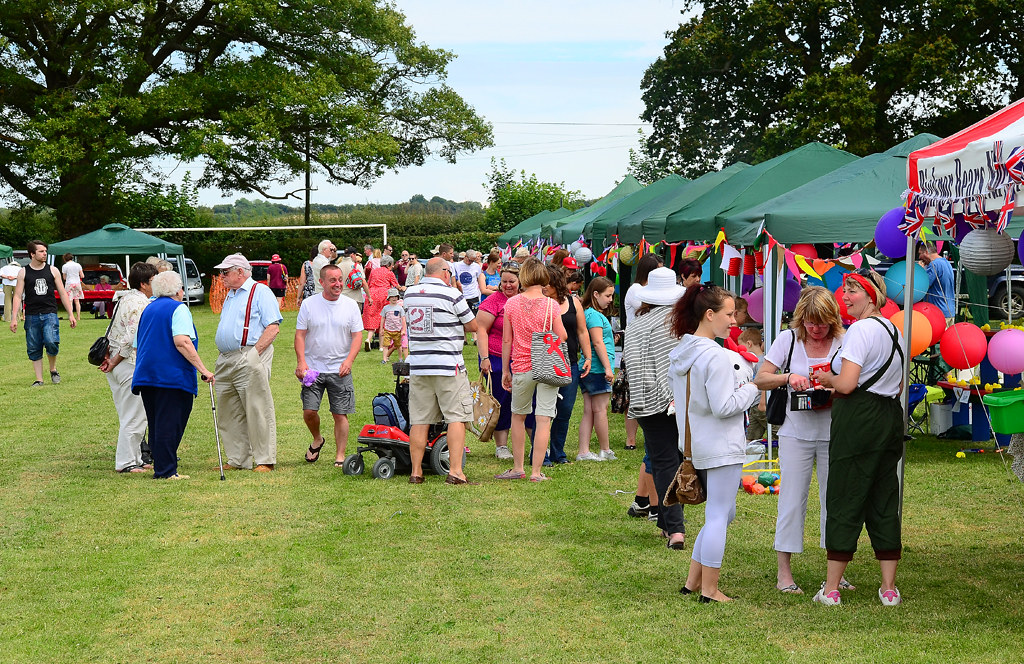
“Actually they got here about 5 minutes ago; they are over there now. There are lots of witnesses, Guv! People in the Refreshment Tent heard Grace having a fearful row with her younger daughter Sophia; George was standing meekly by.”

“George?”

“Her son-in- law.”

“What was the row about?”

“In summary Grace said she’d heard Sophia was pregnant by Matt, who runs the riding stables, and that she was disinheriting her. She used a few choice words apparently, quite shocking some of the older people! George was speechless and ran out of the tent.”

“So we’ll need to speak to Matt: what’s his surname?”

“Weaver Sir.”

“OK! So Grace follows George out of the tent and she’s found with her skull smashed in moments later?” 

“Seems that way. The doctor’s doing the preliminaries right now; come on ……”

I walk over to see the duty forensics officer bending over the body.

“Hi! Mark! What have we got?”

“Looks like someone cracked her skull open with a wooden instrument. That somewhat new wooden-handled fork, the one with the maker’s name stencilled in blue, could be the murder weapon; it’s got a certain amount of blood on it. We’ll take it back to the lab for testing. No sign of a struggle, just this blue stain on her right middle finger.”

“Let me know what forensics say. Seems we have the suspect, motive and weapon. Wish they were all so easy. I’ll go up to the manor and look around.”

The manor house lies only a mile outside of the village so within 15 minutes I ‘m looking around Grace’s study. On her desk I find a handwritten note to her solicitors telling them of the changes she needs to her will. A quick scan confirms what witnesses had said the row was about. Sophia was to receive nothing from her mother’s estate, save for a string of pearls and one particular oil painting of a horse. An old Sheaffer pen, very worn and well-loved, lies on the paper. Returning to the fete I arrest George for murdering his mother-in-law.

The following morning I am enjoying a first coffee at my desk, with an appointment at 1100 with the Super to bring her up-to-date, when I’m called down to the front desk, where Mr Wallace and his teenage daughter Tanya are waiting. We find an empty interview room.

“OK Mr Wallace. Tell me what you told the desk sergeant.”

“I hate gardening but my missus has a real passion for growing vegetables. Do you like gardening Detective Inspector? Well, anyway, Doris had two huge Celeriacs in the Largest Vegetable Competition. Such a tragic thing to happen, Mrs Girdlestone and all and …..” 

“Why are you here?”

“Well, Stan won the largest carrot competition……”

“Please Mr Wallace, get to the point!”

“Doris got a prize and Tanya filmed her. We didn’t look at the footage until this morning ……. you had better see for yourself.”

They pass me Tanya’s phone; there’s Doris clutching her large Celeriacs  ……. and in the background is the outside of the refreshment tent. I pinch out the view …… and see Grace come running out ……. she must have tripped on a guy rope, put her foot out, caught that garden rake that had been left against the tent and got smacked very forcibly by the handle. She went down like a stone, her skull cracked like a breakfast boiled egg. No sign of George or anyone.

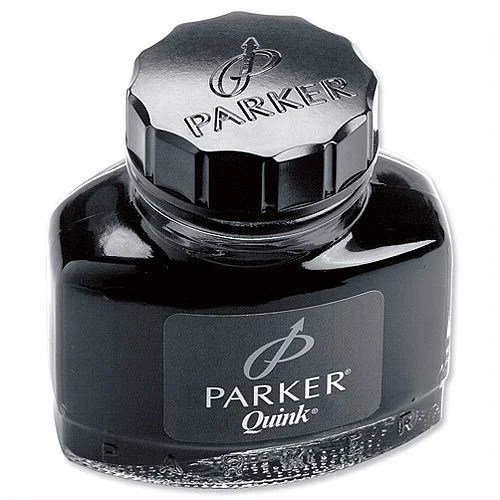
Back at my desk, I find a note. ‘Forensics just called. That blue stain on Mrs Girdlestone’s fingers? Quink Blue.’ (Note 2)

Richard 28th October 2022

www.postcardscribbles.co.uk

Note 1 Obviously known behind her back as GG

Note 2 Quink, a portmanteau from ‘quick’ and ‘ink’ is a fountain pen ink developed by the Parker pen Company in 1931 and remains in production.
PC 305 Alternative Beliefs

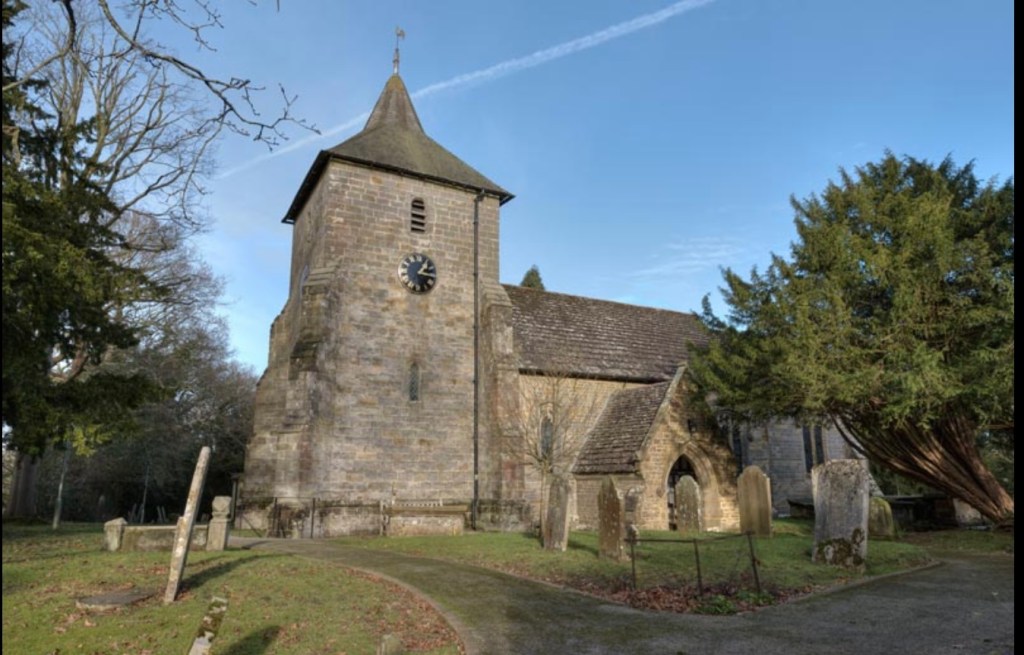
The Church of England is the established Protestant church of the United Kingdom and during my education attendance at Sunday morning church services was mandatory. In the holidays we walked the mile or so to an evening service in Balcombe’s little C15th St Mary’s Church.

 It wasn’t until a new vicar forbade my parents from taking communion as they belonged to the Church of Scotland that I realised the huge variations and schisms that exist in our global belief systems.

Setting aside the major religions of Christianity (31%), Islam (24%), Hinduism (15%), and Buddhism (7%), and acknowledging that some 16% of the world’s population could be described as irreligious, the remainder follow minor religions such as Shinto, Taoism, Confucianism, Jainism and Judaism (0.2%). I have put a percentage against Judaism as in Western culture it must be one of the most identifiable ‘minor religions’ and its source the centre of continuing bloodshed and division over two centuries. 

These scribbles are prompted by a recommendation to watch a four-part Netflix mini-series called Unorthodox. It concerns a young Hasidic Jewish woman called Esty Shapiro who flees Brooklyn and an arranged marriage and is taken in by a group of classical musicians in Berlin. It was fascinating and I realised I had little or no understanding of Ultra-Orthodox Jewish beliefs.  

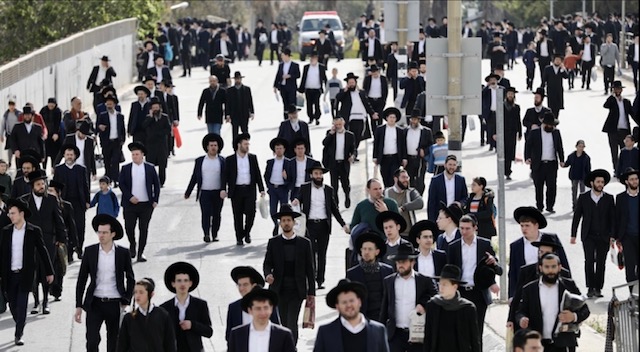
Ultra-Orthodox Jews strictly observe Jewish religious laws and separate themselves from Gentile society, as well as from Jews who do not follow the religious laws as strictly as they do. They live in closed communities, marriages are arranged and dress codes strictly observed. The men wear black or navy suits and a white shirt, and skull caps, Fedoras or Homburg hats; there are rules about the length of the hair down the side of their face. Women wear modest dresses. Stroll around Stamford Hill in London and you’ll be surrounded by some of the 30,000 Ultra-Orthodox Jews who have settled here, particularly as pre-war refugees and post-Holocaust survivors. Walk around Williamsburg in New York, where Netflix’s ‘Unorthodox’ series is set, and you could be forgiven for believing you were not in America.

For those of us who do not regularly interact with minority groups the film Witness (1985), with Harrison Ford and Kelly McGillis about an Amish boy who witnesses a murder, gave us an insight, albeit through the eyes of a producer intent on making an interesting and dramatic thriller, into the Amish community of Pennsylvania.

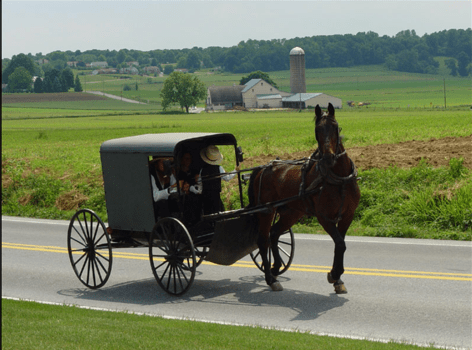
Amish transport

The history of the Amish church began with a break between the Swiss and Alsatian Mennonite Anabaptists in 1693. Today the Old Order Amish, traditionalist Anabaptist Christians, of whom the Mennonite Church is another denomination, are known for their simple living, plain dress, Christian pacifism and slowness to adopt many of the modern conveniences that non-Amish take for granted. Some 350,000 live in the USA and a further 6000 in Canada. The Amish communities operate their own schools and a great emphasis is placed on church and family relationships.

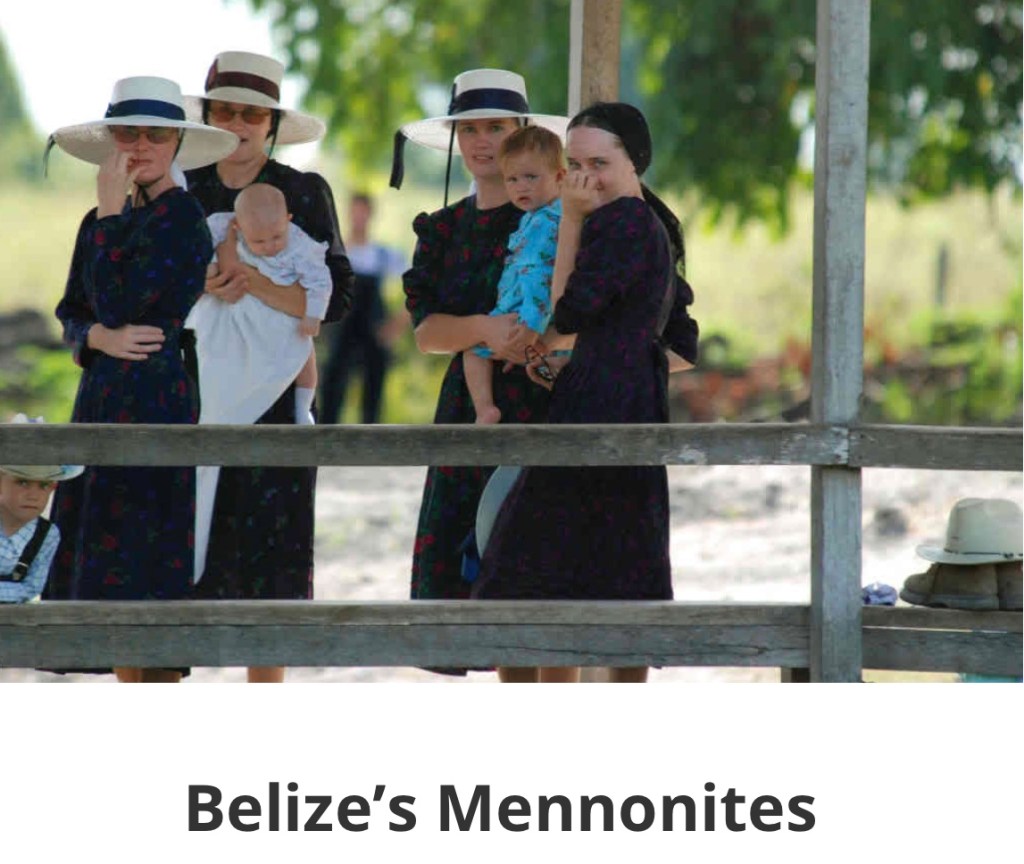
Mennonites can be split into roughly three groups, Old Order ones who eschew modern technology,  Conservative who use modern conveniences like cars and telephones but hold firmly to traditional theologies and wear plain clothes, and mainline Mennonites who are virtually indistinguishable from the general population. Mennonites have settled in 87 countries spread across the planet but I first became aware of them in Belize, when I went there in 1983.

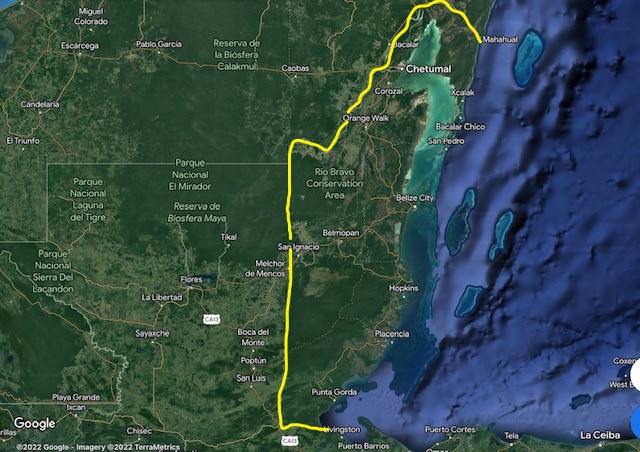
Belize, in Central America, outlined in yellow

They had settled here in 1957 when it was a British Colony, British Honduras, and in particular in Orange Walk, Cayo and Toledo Districts. The communities have established hugely successful organic farms that now provide some 85% of the nation’s milk, cheese and other dairy products.

Another minority group, The Plymouth Brethren, was founded in 1848 in Plymouth, England by John Darby, who believed the Anglican Church was too close to the Catholic Church in doctrine and ritual. Today some 50,000 members are spread over 17 countries. Traditional marriage and family life see women subservient to men and children expected to marry within the fellowship.  

The men are clean shaven, keep their hair short and don’t wear ties while the women should not cut their hair but wear scarves. Everyone starts the day with communion at 0600 and its members will not use the internet or watch television. The Brethren reserve all social activities for those with whom they celebrate the Lord’s Supper, excluding family members who are not members of the church. A client of mine didn’t agree with his parents’ devotion to the Plymouth Brethren diktats and hasn’t seen, been allowed to see them, in decades.

Francisquinha (PC 172 March 2020) pops her head around the door. “But you haven’t even mentioned The Church of Jesus Christ of Latter-day Saints aka The Mormon Church, Jehovah’s Witnesses or The Church of Scientology, to name a few omissions!”

“Ah! Mention Scientology and I think of Tom Cruise and my stepfather.”

Your Stepfather? Was he a member?”

“No, but a favourite Godson Tony Freeland became a member and shunned his friends, family and twin brother John. His parents were distraught!”

“And isn’t The Mormon Church concentrated in the west of the USA?”

“Of course! Its early leaders founded the state of Utah and one third of all six million American Mormons live there, mainly in Salt Lake City.” (Note 1)

These alternative beliefs create a way of life for their adherents, often one which is all-embracing, encompassing. The common theme to all these groups, and maybe with any ‘religion’, is a suspicion of outsiders, a belief that their way is the right way, in fact the only way ….. and ‘if you are not with us you are against us’. A worrying thought when the population of the planet cries out for more understanding and less polarisation.

Confident groups should not only welcome new arrivals but happily say farewell to those who wish to leave. Those trying to ensure continuing obedience often through coercion don’t get my vote.

Richard 21st October 2022

http://www.postcardscribbles.co.uk

Note 1 The church has some 16 million members

PC 304 Foot Fetishes

Where would we be without our feet? You can’t even say ‘on all fours’ as we need something at the end of our arms and legs! I assume that over the course of our evolution hands and feet developed into very different physical shapes, for very different purposes. Most of us take some care over our hands, maybe using a hand cream if they get dry and ensuring the nails are of a reasonable length. Nail polish of all sorts of colours is often applied but more normally by the female gender. But our feet?  “The lower extremity of the leg below the ankle, on which a person stands or walks”

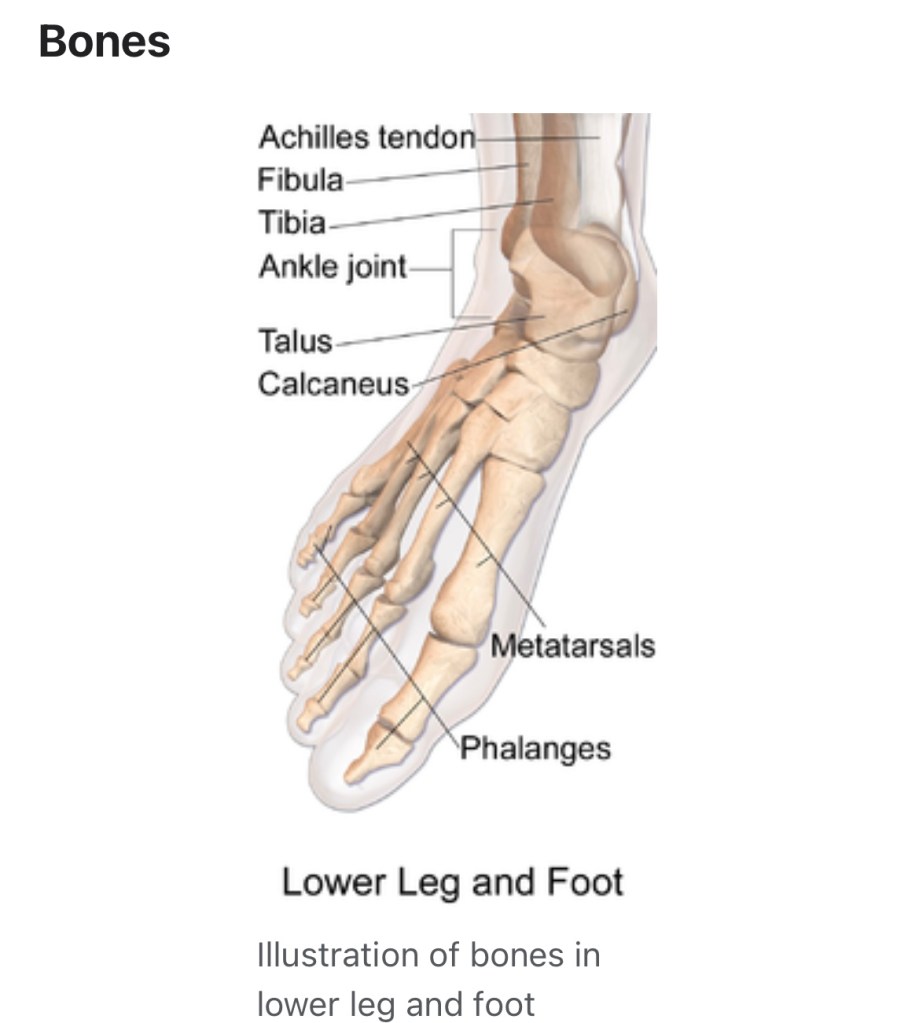
Each foot is made up of 26 bones, 33 individual joints and more than 100 muscles, tendons and ligaments, all of which work together to provide support, balance and mobility. In addition to the bones and their support systems, there are 7000 nerve endings in each foot and 250,000 sweat glands. The bones are grouped into three; the Tarsals making up the rear section, the five Metatarsal bones in the middle of the foot and the Phalanges, the bones of the toes; the second to fifth toes each contain three phalanges. I sincerely hope this is clear?

And if you recognise any of these conditions it’s possible you have been/are effected by them. Big toe arthritis, bunions, Gout, hammer toes, heel spurs, plantar fasciitis and stress fractures!! Then there are issues like chilblains, ‘Covid’ toes, in-growing toenails, verrucas, Morten’s neuroma and Athlete’s Foot.

Tinea pedis is afungal infection that is quite contagious and the haunt of swimming pools and gym changing rooms. Some years ago after suffering a bout and finding it resistant to most remedies, I remembered Potassium Permanganate from childhood. I was surprised to be able to buy it over-the-counter at a chemist’s. Followed the instructions and applied it for a few weeks. It did nothing for the Athlete’s Foot but did give me a delightful display of purple toenails!

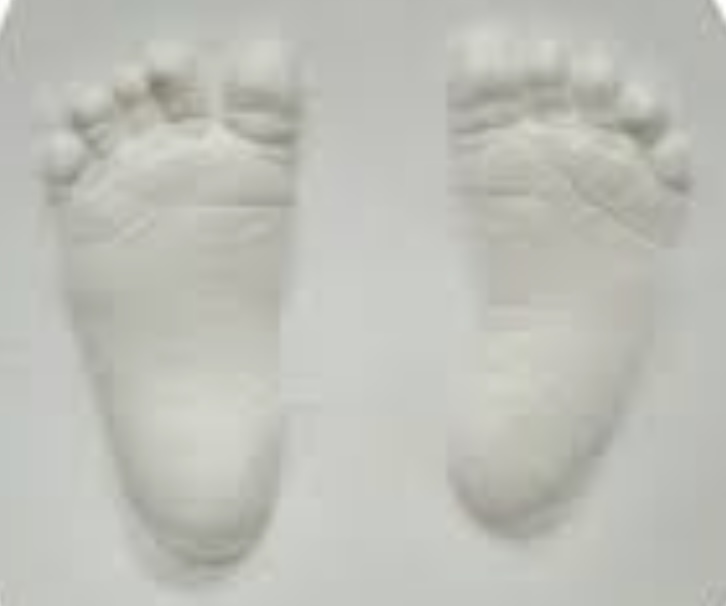
A plaster cast of a baby’s feet

If your feet are constantly encased in cold, wet boots and socks, the chances are you will develop Trench Foot. Soldiers lived in awful conditions in the trenches in the First World War and some developed blisters, blotchy skin and tissue falling off on their feet; the condition became known as Trench Foot; 75,000 British soldiers actually died of it! The military were reminded of it during the Falklands War in 1982, as the wet, freezing conditions soldiers endured on the islands brought on some cases.

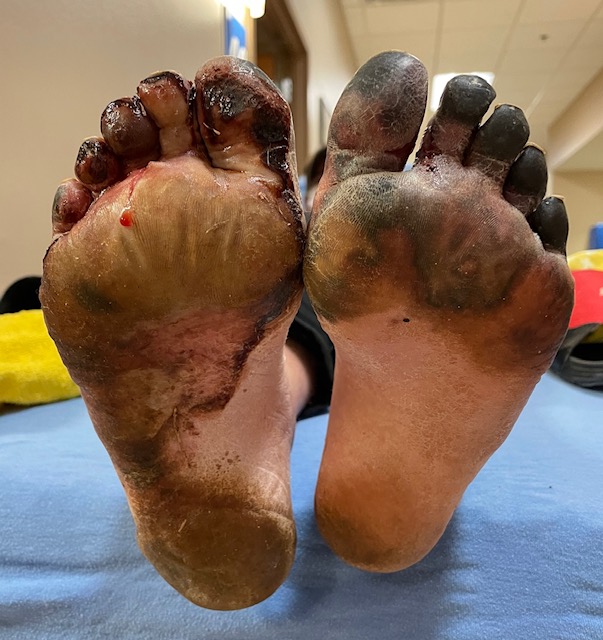
Frost bite is as bad as trench foot and something that those who wish to climb to the tops of mountains risk.

A nasty case of frost bite

During some routine exercise at Sandhurst called Battle PT, on the run I managed to put my booted right foot into a rabbit hole but continued forward. The resulting sprain swelled the ankle up like a Puffer Fish and for two years or more it felt vulnerable. No bone had been broken but the muscles managed to twist a bone out of kilter to the point I now have a bony tip where a bony tip shouldn’t be!! 

My mother-in-law remembers going to a recommended podiatrist in Rio de Janeiro back in the late 1980s. He was good but she sensed he was gay and as HIV Aids was creating misery and heartache in the gay community, she wasn’t sure that having someone picking and scraping her feet was such a good idea!!

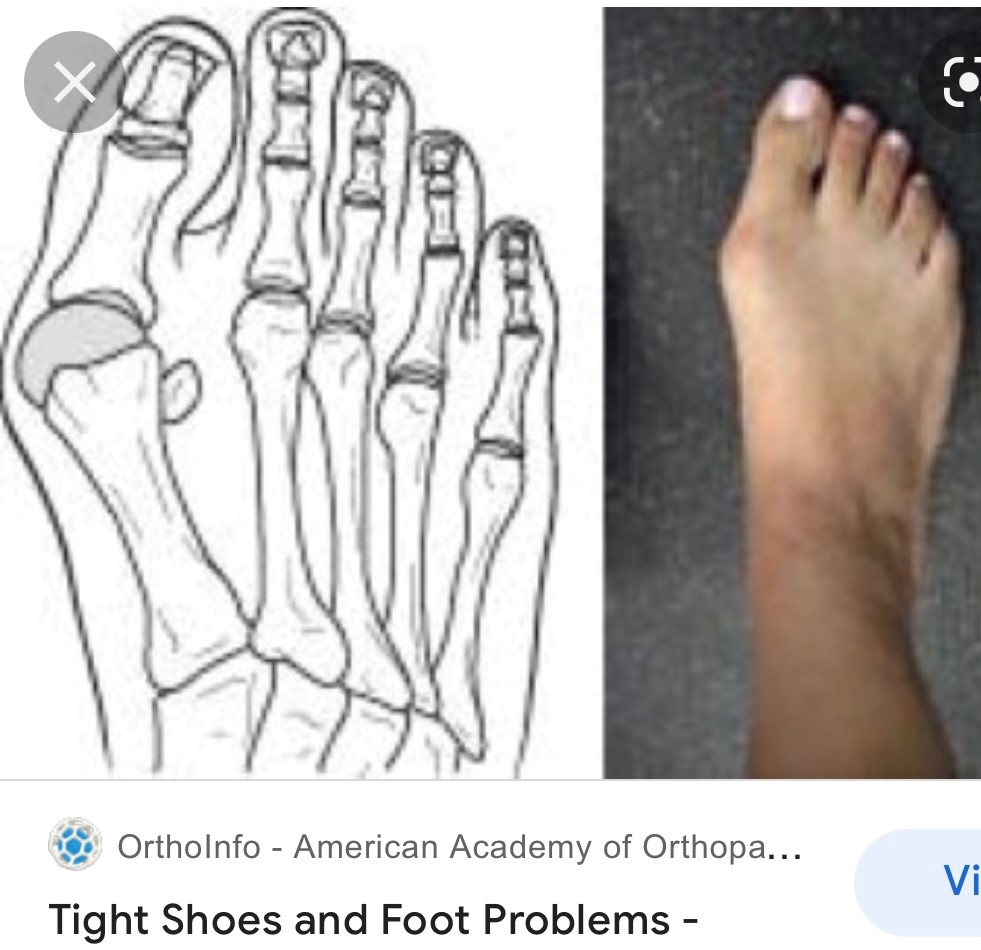
The shape and design of some ladies shoes can cause severe problems later in life. Squeezing your foot into narrow-fronted shoes can permanently distort the foot bones, in addition to producing bunions and the like.

However nothing in the west can compare with the ancient Chinese tradition of binding a child’s feet. The small feet were physically broken and then bound.

The resulting distorted foot was known as a lotus foot and the shoes Lotus shoes. Almost 100% of upper-class Han Chinese women had bound feet in the C19th. If this is news to you, read a most fascinating book on the subject, Pang-Mei Natasha Chang’s 1996 book “Chinese bound feet and Western Dress”.

Swedish men statistically have larger feet than most nationalities. During the late 1800s many migrated to the North West of the United States but found it impossible to get shoes big enough. John Nordstrom teamed up with Seattle shoemaker Carl Wallin, opening their first shop catering for bigger shoe sizes in 1901. Now Nordstrom is one of the largest department stores in the United States; revenue in 2021 was US$ 14.8 billion!

It seems natural to have a unit of measurement based on the length of a physical human foot, about twelve inches (big feet huh!). Since the International Yard and Pound Agreement of 1959 one foot, equal to twelve inches in the British Imperial and US Customary Systems of Measurement, is 30.48 centimetres; a ‘yard’ is three feet. It is useful to calibrate your own pace as you never know when that knowledge might come in useful. Simply measure out say 50 or 100 metres, then walk the distance ‘with a measured pace’!! Most individual’s pace is less than a metre. On my ‘Young Officers’ course at the Royal School of Artillery I  had to calibrate my ‘pace’ as it was useful in setting out a gun position.

Apart from the physical foot, it’s the projecting part on which a piece of furniture, or each of its legs, stands, the bottom or end of a space or object or “at the foot of the cliffs.”

There are of course lots of sayings and phrases that include ‘the foot’:

‘Foot the bill’ – pay for something typically when the amount is considered large or unreasonable; ‘Best foot forward’ – take your first step to begin anything; “They were taken out feet first, the body covered on the gurney by a flimsy blanket and wheeled into the waiting hearse.” – direction of travel for the body!; informally, to cover a long distance on foot for example “The rider was left to foot it ten or twelve miles back to camp” – my preferred term would be hoof it!; and ‘Footnotes’, so beloved of researchers.

Richard 14th October 2022

www.postcardscribbles.co.uk

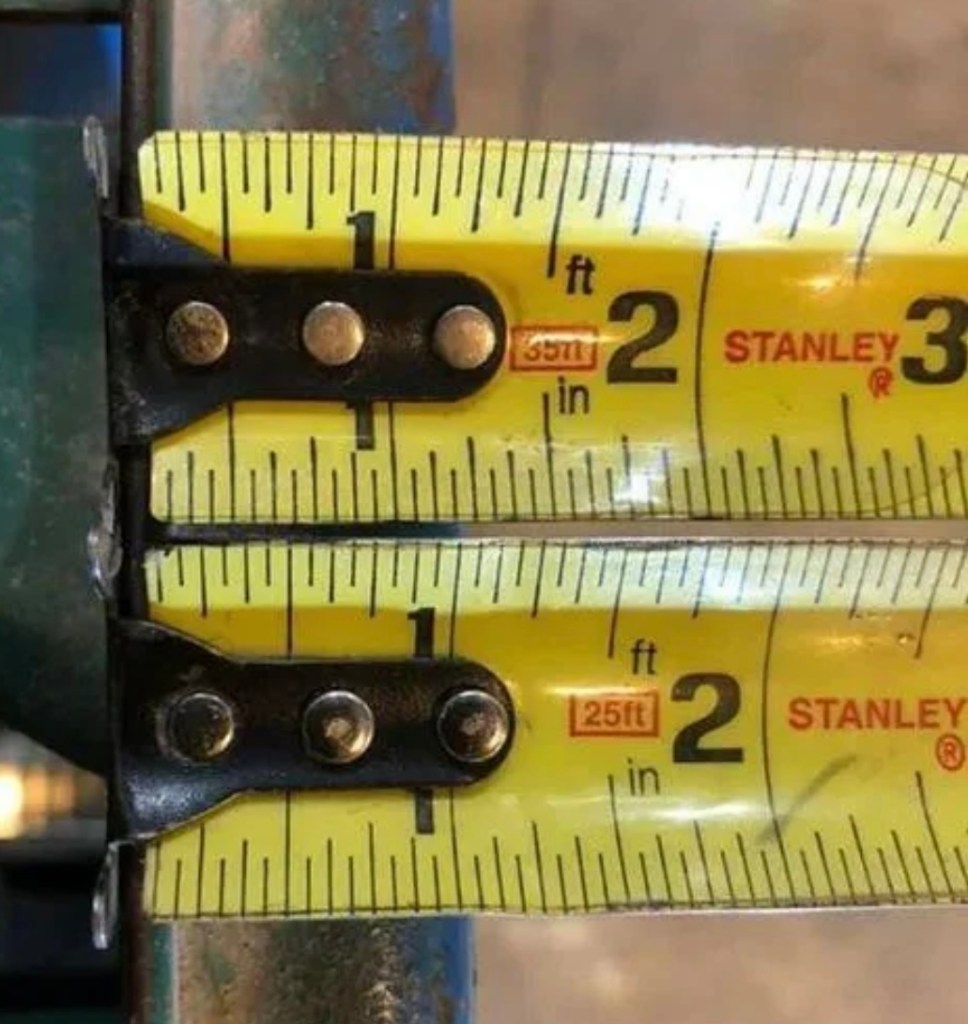
PS If you measure ‘stuff’ regularly, be aware that some metal measuring tapes don’t start at zero!! Always worth starting at 1 inch or 10 centimetres!!

PC 303 The Hope Café Survives

The earth rotates inexorably forwards, eastwards, turning on its axis, irrespective of how one feels and despite the oft-felt cry: “Stop The World! I want to Get Off” (Note 1). Last Sunday London held the 42nd running of its marathon, from the start in the east at Greenwich to the finish on The Mall between Buckingham Palace and Trafalgar Square. The Men’s winner was a Kenyan called Amos Kipruto in just under 2 hours 5 minutes and the Women’s by Yalemzerf Yehualaw, an Ethiopian, in a time of 2 hours 17 minutes.  Paula who, with her husband Hugh, owns Apartment 10 here in Amber House, ticked off one of the goals on her bucket list as she crossed the line on The Mall after just over four hours.

Thirteen days previously the same streets witnessing the runners finishing rang not to the sound of rubber-soled running shoes and physical exertion, but to the pageantry and military splendour of the State Funeral of the late Queen. Chalk and Cheese! The world turns.

I have missed the smell and the atmosphere of the Hope Café, cleverly created with lighting, carefully chosen artwork, and the buzz from contented customers. This week was the first time I have managed to have a few hours there since mid-July and I am pleased I did. You may recall that Edith died and Sami had left for India since I was last here so, as it wasn’t very busy, I caught up with Susie. I thought Susie had left for some ‘Overseas Experience’ (See PC 155 OE June 2019) but she admitted finances were too tight and at that moment Teresa walked in carrying some Brigadeiros and pāo doce from her delicatessen next door (see PC 267 from February 2022).

pāo doce

Susie introduced us and made us some coffee.

“We’ve been trading nine months, Richard, and I have to say it’s been tough! It seems we chose a very uncertain time to open and now, in the era of a European War and the fallout from your Brexit deal, customers are having to restrict their spending to essentials! We promised ourselves a year but last week someone came along and offered two of my staff more money to work for them. You have no idea how difficult it is to get staff and then have some shit comes along and poaches them. So we’re only going to open Wednesday to Sunday and hope we can survive.”

She passed me a couple of Brigadeiros, imagining I love them. Actually I find them extremely sweet but couldn’t let Teresa know that! She finished her coffee and with a ‘Ciao! Até amanhā!’ left for next door.

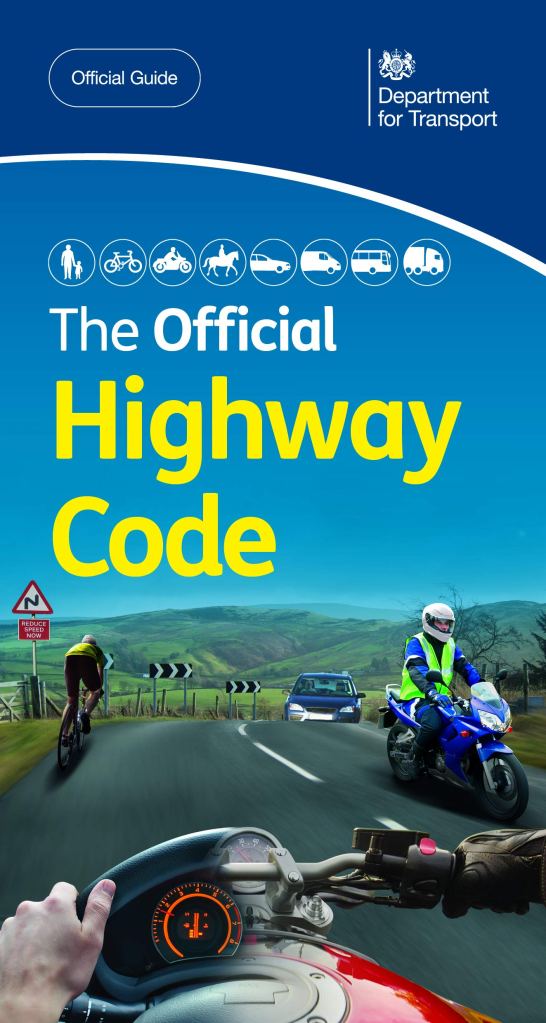
Unusually, on the counter are a few pamphlets; Susie’s busy so I walk over to take a look. It’s the latest UK’s Highway Code and I guess Josh thinks that the changes introduced in January are not well known; a little ‘light’ reading might encourage his customers to be more aware of them.

Our Highway Code sets out the rules and regulations for those using our streets and roads, be they pedestrians, runners, cyclists, motorcyclists, riders of horses, drivers of mobility scooters, users of wheelchairs or electric scooters. It’s the sort booklet that’s full of useful information that will help you pass your practical and theoretical driving test …. and then you don’t keep up to date as various changes are introduced to reflect today’s driving conditions! In January this year a significant change was made to the priority individuals have at street/road junctions and the rallying cry is ‘Shared Space’! Now cyclist and pedestrians have precedence – but not many drivers have read it or if they did they didn’t think it really applied to them.

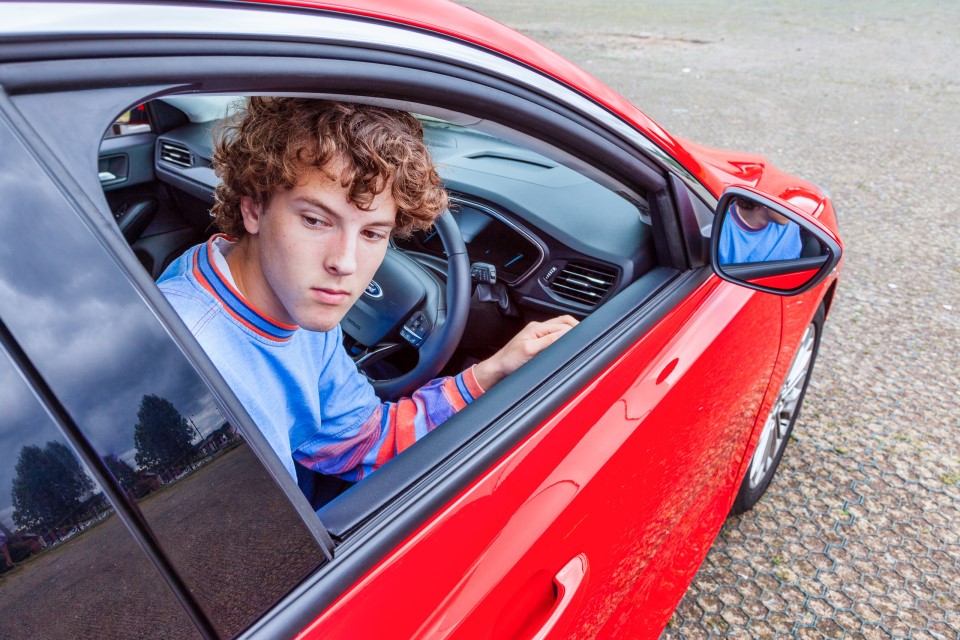
Personally if as a car driver you are exiting a main road and you have to wait in that road while a pedestrian crosses the minor road, potentially you could be in danger from other road users. But hey, that’s the new law! Amongst other changes is the advice to use the Dutch Reach (Note 2) when opening your car door, ie use the hand further from the door.

This manoeuvre turns your head, so giving you a better view of the road. You could probably sum up the changes as ‘consideration for others’.

The news coverage of the research into the science of queues was well flagged during the Lying in State of the late Queen. (See PC 301) The real nugget to take on board is ‘communication’. When we are told what’s happening, or even what’s not happening, what to expect and what not, we are happy. If there is no communication we get unhappy, believing we are being ignored, not respected.  

Josh comes over and tells me Duncan predicts The Hope Café will struggle, as energy costs rise, mortgage costs rise, food costs rise, and the squeeze on household budgets means that even a coffee and a pastry will be considered a luxury. We were getting back to some form of normality after the Covid pandemic (Should we bill China for the lost lives, lost businesses, lost loves?) then we left the European Union in a badly-handled manner, leaving the Northern Ireland situation incomprehensible to normal folk. How can anyone have agreed that part of the sovereign country of the United Kingdom should have different rules and regulations? Or is it a nod to the fact that the Catholic population of Northern Ireland are now in a majority, that it could within twenty years become part of a united Ireland? So we’ll just leave the trade in place and one less thing to worry about?

And all because of Putin the Pigheaded (Note 3) who has reinforced the observation that life can sometime just come and kick you in the butt.

Richard 7th October 2022

www.postcardscribbles.co.uk

Note 1 The title of this 1961 musical was apparently derived from graffiti

Note 2 Then there’s Double Dutch (as Dutch is not easily understood anything completely incomprehensible would be twice as hard as Dutch), Dutch Auction (goods offered at gradually reducing prices), Dutch Agreement (one made while intoxicated, Dutch Courage (liquid courage provided by alcohol) and some 25 other sayings starting with ‘Dutch’. 

Note 3 The Tsars had nicknames – Ivan the Terrible (Or more correctly translated to be The Strong or The Menacing (C16th), Alexis the Humblest 1629 – 1676, Peter The Great 1672-1725, Catherine The Great 1729-1796, Alexander I the Blessed 1777-1825 (victory over Napoleon), Alexander  II The Liberator (of the Balkans), Alexander The Peacemaker 1845-1894 and Nicholas II The Bloodstained 1868-1918 (for his cruelty) and the last tsar.